5 Surefire Signs You Have Too Much Debt And How To Fix It
Recognize these critical warning signs that your debt levels are spiraling out of control and learn how to regain financial stability.
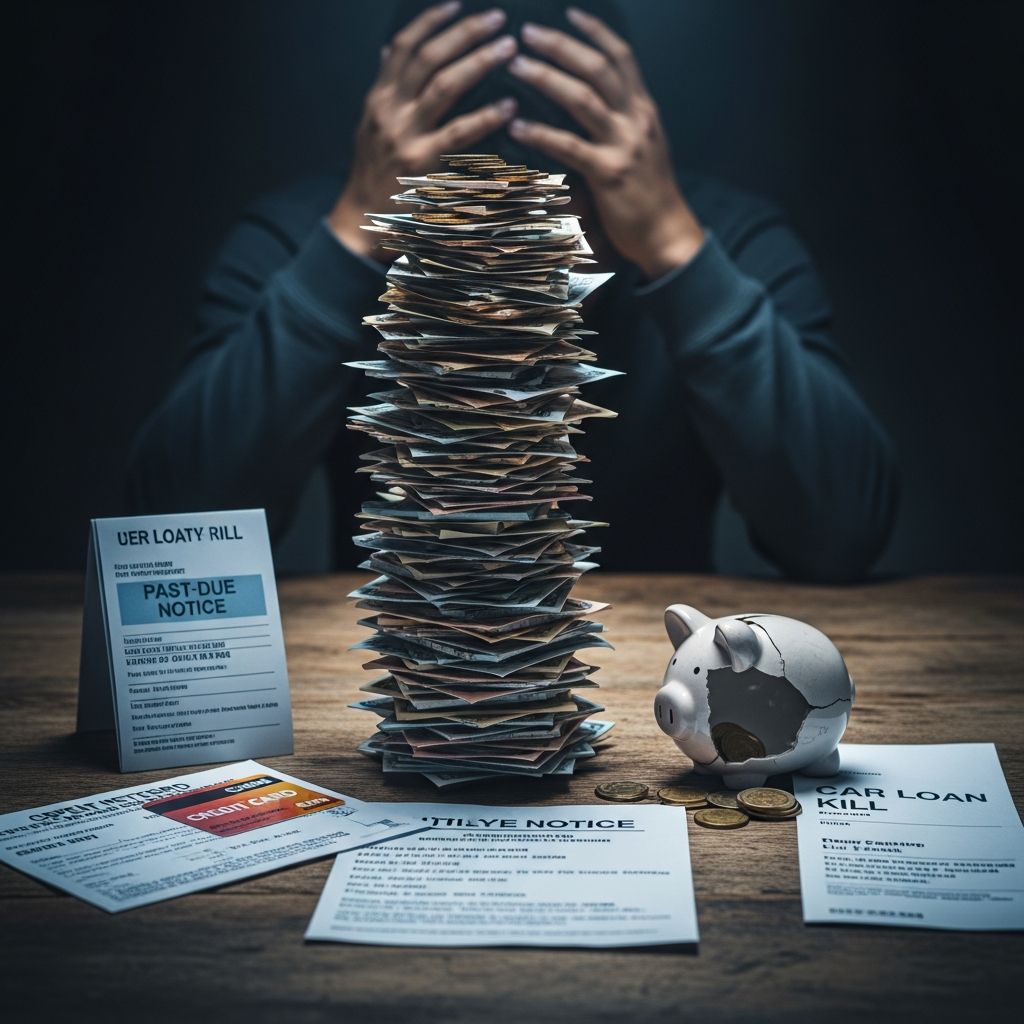
Debt can creep up on you quietly, turning from a manageable tool into a crushing burden. According to recent data, the average American household carries nearly $10,700 in credit-card debt, making it essential to spot the red flags early. This article outlines
five surefire signs
you’re overloaded with debt, backed by insights from financial experts and counselors. Recognizing these symptoms is the first step toward financial recovery.Sign #1: You’re Only Making Minimum Payments
The hallmark of excessive debt is when you’re stuck paying only the
minimum payments
on your credit cards or loans. This approach feels like treading water, but it’s slowly dragging you under. Minimum payments primarily cover interest, with little principal reduction, extending your debt timeline for years.Financial educators note that this cycle traps many consumers, as interest compounds relentlessly. For instance, a $10,000 balance at 20% APR with $200 minimum payments could take over 30 years to clear, costing thousands extra in interest.
- Why it’s dangerous: It signals cash flow is too tight for more aggressive payoffs.
- Real-world impact: Your debt grows despite payments, per CNN reports on household averages.
- Action step: Calculate your debt-to-income ratio; if over 36%, seek counseling.
Credit counseling agencies emphasize reviewing statements to see how much goes to interest versus principal. If principal reduction is under 10% of your payment, you’re in trouble.
Sign #2: Living Paycheck-to-Paycheck
If every
paycheck vanishes immediately
into bills and debt, with nothing left for savings or emergencies, debt has control. This is a common plight, as one personal finance account describes living this way post-college despite rising income.You’re not alone: Many feel perpetually behind, blaming low earnings while overspending on luxuries fuels the fire. An emergency like a car repair then forces more borrowing, worsening the cycle.
| Healthy Finances | Debt Overload |
|---|---|
| Savings grow monthly | No emergency fund |
| 20% income saved | 100% spent on essentials/debt |
| Debt payments <15% income | Payments >40% income |
Financial literacy resources highlight prioritizing bills and building repayment plans to break free. Track expenses for a month to reveal leaks like daily coffees adding up to hundreds annually.
Sign #3: Maxed-Out Credit Cards
**Credit utilization over 30%**, especially near 100%, screams too much debt. Maxed cards signal reliance on credit for basics, damaging your credit score and limiting future borrowing.
Nonprofit counselors warn this leads to higher interest rates and denied loans. If balances hover near limits monthly, it’s not occasional splurging—it’s dependency.
- Check utilization via free credit reports from AnnualCreditReport.com.
- Average household debt underscores the norm, but norms aren’t healthy.
- Solution: Debt management plans consolidate payments, often lowering rates.
Avoid debt settlement myths; it tanks scores unlike structured management plans aiming for full repayment in 3-5 years.
Sign #4: Avoiding Bills and Statements
Dreading mail or apps showing balances?
Avoidance
is a psychological red flag. It stems from spending habits like ‘escape artist’ shopping to dodge stress, per financial psych insights.This denial delays action, accruing fees and penalties. Counselors recommend facing facts via detailed financial reviews. List all debts, incomes, and goals—clarity empowers.
Proactive steps include budgeting tools from counseling sessions, refining spending to essentials. Buying less, as one debt-free family learned, frees resources without sacrifice.
Sign #5: Debt Interferes with Life Goals
When debt blocks dreams—like vacations, homeownership, or job changes—you’re trapped. Statements like “I can’t quit my job” due to payments echo widely.
This ‘lifestyle lock-in’ affects health and happiness. More stuff means more maintenance, taxes, and time. Financial control involves prioritizing secured vs. unsecured debts.
- Secured debt: Mortgages, auto loans (collateral-backed).
- Unsecured: Cards, personal loans (higher risk).
- Repayment: Tackle high-interest first.
How to Dig Out of Debt
Spotting signs is step one; action follows. Start with nonprofit credit counseling for budgets and plans. Options include:
- DIY Budgeting: Cut luxuries, build emergency funds.
- Debt Management Plan (DMP): Single payment, negotiated rates, 3-5 year payoff.
- Buying Less: Downsizing frees cash, as families report post-debt.
Track progress monthly. Patience and discipline yield freedom, per real stories of savings growth over debt. Avoid traps like payday loans; focus on sustainable change.
Frequently Asked Questions (FAQs)
Q: What’s the average credit card debt in the US?
A: Nearly $10,700 per household, highlighting widespread struggles.
Q: Is credit counseling free?
A: Initial sessions often are; DMPs have low fees via nonprofits.
Q: How long does a debt management plan take?
A: Typically 3-5 years for full repayment without score devastation.
Q: Can I get out of debt by earning more?
A: Income helps, but spending less addresses root causes effectively.
Q: What’s better: counseling or consolidation loans?
A: Counseling offers guidance; loans risk new debt cycles—assess with pros.
Armed with these insights, confront your finances head-on. Debt overload is common but conquerable through awareness and strategy.
References
- Consumer Financial Protection Bureau: Debt Collection FAQs — CFPB (U.S. Government). 2024-01-15. https://www.consumerfinance.gov/ask-cfpb/
- Federal Reserve: Report on Household Debt and Credit — Federal Reserve Bank of New York. 2025-11-01. https://www.newyorkfed.org/microeconomics/hhdc.html
- Credit Counseling and Debt Management — InCharge Debt Solutions (Nonprofit). 2025-08-20. https://www.incharge.org/debt-relief/debt-management/
- Financial Literacy: Credit and Debt Management — Cambridge Credit Counseling (Nonprofit). 2021-06-01. https://www.cambridge-credit.org/pdfs/learn-now-or-pay-later-financial-education-adult.pdf
- Annual Credit Report — Consumer Financial Protection Bureau. 2025-12-01. https://www.annualcreditreport.com
Similar Articles








Read full bio of Sneha Tete