5 Reasons We’re Spending More on Halloween Costumes This Year
Discover why families are investing in premium Halloween costumes for durability, creativity, and lasting holiday memories that cheap options can't match.
Halloween has evolved from a simple trick-or-treat night into a full-blown cultural phenomenon, with Americans projected to spend a record $13.1 billion this year, up significantly from previous records like $12.2 billion in 2023. A major driver? Costumes, where spending is expected to hit $4.3 billion, with adults accounting for $2 billion, children $1.4 billion, and even pets $0.86 billion. Per-person spending on costumes averages around $28.65 historically, but many families, like this author, are opting for pricier options averaging $172 total Halloween spend per spender in recent surveys. The frugal instinct might push for homemade or bargain-bin buys, yet after years of disappointment, we’re doing a 180—shelling out for premium costumes. Here’s why this shift makes sense, blending personal experience with national trends showing 71% of celebrants planning costume purchases.
1. Durability: Cheap Costumes Fall Apart Too Quickly
The biggest wake-up call comes from experience. Two seasons ago, identical Batman outfits were snagged for $5 each on clearance—total steal, right? Wrong. They tore before the community party even started on Halloween night. Duct tape became the night’s accessory, and what my boys remember most are the tears, not the fun. This isn’t isolated; low-quality costumes from discount bins often use thin fabrics and flimsy seams that can’t withstand excited kids running door-to-door.
National data backs this: With 73% of Americans participating in Halloween activities, costumes see heavy use across parties, trunk-or-treats, and trick-or-treating. Cheap options, often under $20, rarely survive, leading to mid-night fixes or abandoned themes. Premium costumes, priced $40–$50+, use reinforced stitching, thicker materials, and better construction. Retailers like Spirit Halloween report spending peaks in early October, with families prioritizing quality as they shop Fridays through Sundays. Result? Costumes that last the entire night—and often into future Halloweens or dress-up play, amortizing the cost over multiple uses.
Consider the math: A $50 durable Spider-Man costume (top for 2.3 million kids) versus five $10 replacements over years. The premium wins long-term, especially as participation hits record highs.
2. Better Fit and Comfort for All-Night Fun
Nothing kills Halloween spirit like an ill-fitting costume causing chafing, overheating, or constant adjustments. Budget costumes come in generic sizes with scratchy fabrics and poor ventilation, turning excitement into misery by treat #10. We’ve all seen kids shedding capes or masks mid-block.
Investing more yields costumes tailored for comfort: breathable materials, adjustable straps, and age-appropriate sizing. For adults (5.6 million witches, 2.7 million vampires), this means stylish options that don’t sacrifice mobility for parties. Kids stay comfy during long routes, and pets (pumpkins for 9.8%) get safe, non-restrictive fits. Surveys show 48% of dress-up participants go DIY to save, but swaps and premiums rise among higher spenders like millennials ($233 average). Comfort ensures full participation—key when 40.6% dress up annually.
- Key Benefits: Flexible fabrics prevent rips; padded elements add protection; hypoallergenic options for sensitive skin.
- Trend Tie-In: With spending up 14% on costumes from last year, families prioritize joy over penny-pinching.
3. Enhanced Creativity and Customization
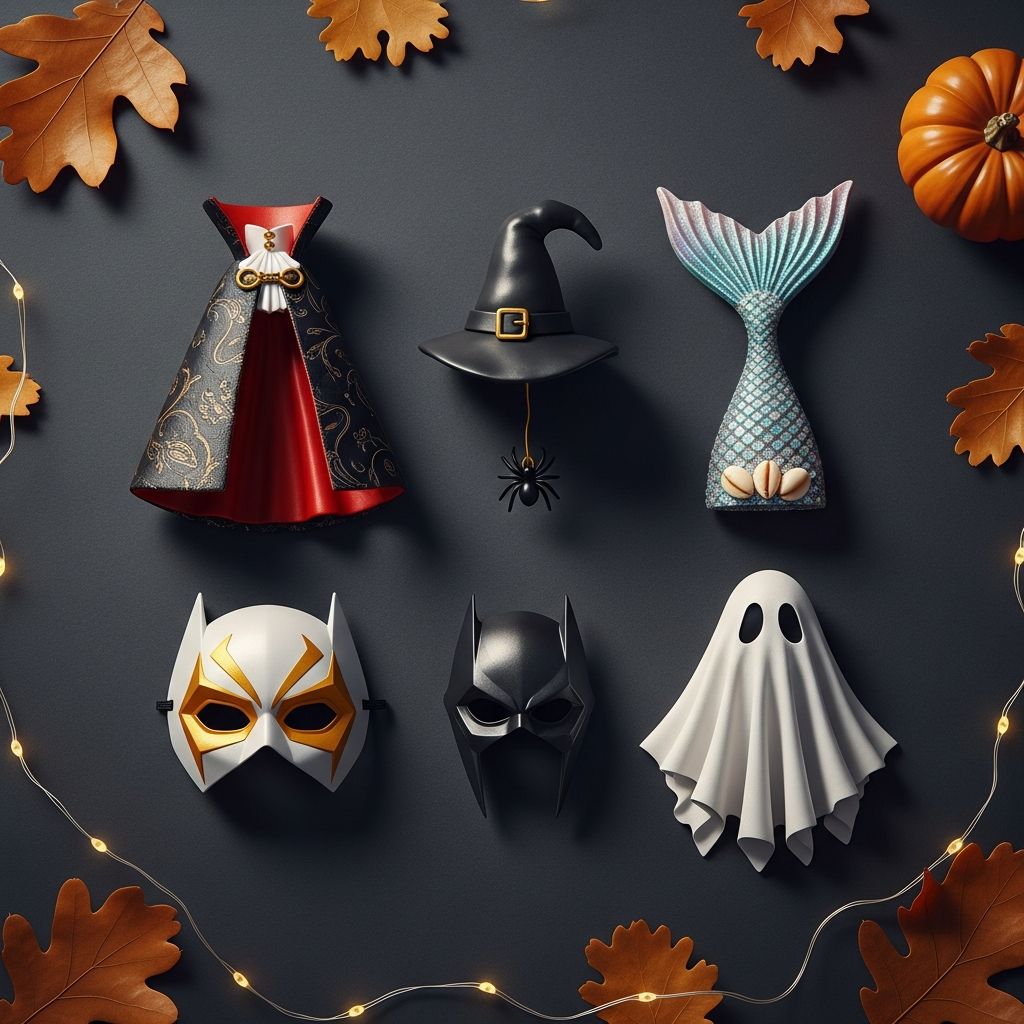
Generic store-bought cheapies limit imagination—one-size-fits-most zombies or princesses. Premium lines offer intricate details, LED lights, accessories, and mix-and-match pieces for unique twists. This year’s top kids’ picks like ghosts (1.6 million) or superheroes (1.5 million) shine brighter in high-quality versions.
Adults, spending $2 billion, crave pop culture precision—think elaborate Batman (1.6 million) or pirate outfits. Customization via online (31% shopping source) allows personalization, from monogrammed capes to themed family sets. This fosters creativity: Add DIY flair to a sturdy base without starting from scratch. As NRF notes, inspiration from online searches (37%) and stores (27%) drives elaborate choices. Cheap costumes stifle this; premiums unlock group themes, like matching family vampires, boosting photos and memories.
| Category | Top Costumes | Projected Spend |
|---|---|---|
| Children | Spider-Man (2.3M), Princess (1.9M) | $1.4B |
| Adults | Witch (5.6M), Vampire (2.7M) | $2B |
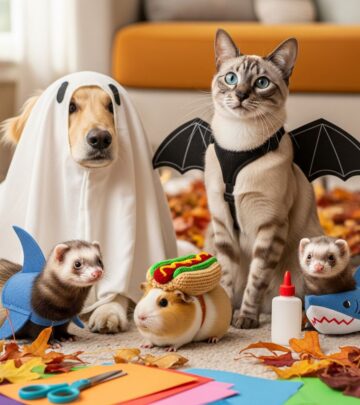
| Pets | Pumpkin (9.8%), Hot Dog (5.4%) | $0.86B |
Source: Adapted from NRF 2025 survey
4. Social Media and Photo-Worthy Moments
In the Instagram era, Halloween is visual gold. Blurry, torn costumes from cheap buys yield poor pics; high-end ones pop with professional-level details. Families post more when outfits impress—think viral family pumpkins or superhero squads. With 21% inspired by friends/family, social proof amplifies premium appeal.
Spending regrets hit 49% of overspenders, but quality memories outweigh. Premiums photograph better, preserving the night forever. Post-Halloween clearance (day-after peaks) lets planners stock up for next year affordably.
5. Discounts Make Premiums Affordable
Premium doesn’t mean extravagant. Retailers offer 20% off pre-Halloween, turning $50 into $40—a $10 savings versus $1.60 on $8 junk. Discount stores (42%) lead, followed by specialty (31%) and online (31%). Spread buys early (September starts) to snag deals. Per-person record $114.45 total spend shows value prioritization.
47% plan splurges on costumes; strategies like swaps complement premiums. Total spend: $13.1B, with costumes leading growth.
Frequently Asked Questions (FAQs)
Why are Halloween costume spends rising?
Americans are prioritizing quality for durability and fun, with NRF projecting $4.3B in 2025, up from prior years due to record 73% participation.
Are expensive costumes worth it for kids?
Yes—$1.4B spend reflects demand for outfits surviving play, unlike cheap ones tearing quickly.
How much do families spend on pets?
$0.86B on pet costumes like pumpkins (9.8%), blending fun and family traditions.
Where to buy for best deals?
Discount stores (42%), specialty (31%), online (31%); shop early September for peaks.
DIY vs. Buy: What’s best?
48% DIY, but premiums + custom add-ons balance cost and quality.
Embrace the splurge: Quality costumes create unbreakable memories amid $13.1B festivities.
References
- Costume obsession fuels record Halloween spending — Axios. 2023-10-19. https://www.axios.com/2023/10/19/halloween-costumes-2023-candy-spending
- Spooky Halloween Costume Spend Trends from 2023 — Alkami. 2023. https://www.alkami.com/resources/data-bites/charts/spooky-halloween-costume-spend-trends-from-2023/
- NRF Consumer Survey Finds Halloween Spending to Reach Record $13.1 Billion — National Retail Federation. 2025. https://nrf.com/media-center/press-releases/nrf-consumer-survey-finds-halloween-spending-to-reach-record-13-1-billion
- 2024 Halloween Spending Report — LendingTree. 2024. https://www.lendingtree.com/credit-cards/study/halloween-spending-report/
- 5 Reasons We’re Spending MORE on Halloween Costumes This Year — Wise Bread. N/A. https://www.wisebread.com/5-reasons-were-spending-more-on-halloween-costumes-this-year
Similar Articles








Read full bio of medha deb