5 Smart Reasons to Take a Small Business Loan
Discover when a small business loan makes sense, how it fuels growth, stabilizes cash flow, and strengthens your company’s long-term future.

For many entrepreneurs, the idea of taking on debt can feel risky. Yet, when used strategically, a small business loan can be one of the most effective tools for fueling growth, stabilizing operations, and strengthening your company’s long-term financial health. According to the U.S. Small Business Administration (SBA), SBA-backed loans can provide between $500 and $5.5 million in funding with competitive terms, lower down payments, and in some cases no collateral requirements.
This article explains five key reasons to consider taking a small business loan, how these loans can support different stages of your company’s lifecycle, and what to weigh before you borrow. You will also find answers to frequently asked questions so you can make a more informed decision.
1. Fund Business Growth and Expansion
Growth often requires more capital than your current cash flow can support. A small business loan can provide the funding needed to expand without draining your operating reserves.
Common growth initiatives funded by small business loans include:
- Opening a new location or expanding existing premises
- Hiring additional staff or specialists
- Launching new products or services
- Entering new geographic or online markets
- Investing in marketing campaigns and brand visibility
Many SBA-guaranteed loans and bank business loans offer longer repayment terms and competitive rates, which help keep monthly payments manageable while your expansion begins to generate revenue. This allows you to invest in growth without crippling short-term cash flow.
How growth financing can strengthen your business
Using a loan to fund a well-planned expansion can help you:
- Accelerate revenue: Invest now to reach more customers sooner, rather than waiting years to fund growth solely from profits.
- Capture market share: Move quickly in response to demand before competitors dominate your niche.
- Build capacity and resilience: A larger, more diversified revenue base can make your business more stable in downturns.
Bank business loans are often a good fit for growth if your company has solid credit and revenue and you want to build a long-term banking relationship that supports future borrowing needs.
Example uses of a growth-focused loan
| Growth Initiative | How a Loan Helps |
|---|---|
| New location | Funds build-out, leasehold improvements, initial inventory, and early payroll until sales ramp up. |
| Product launch | Covers research, development, marketing, and production costs before revenue flows in. |
| Staff expansion | Allows you to hire in advance of revenue, improving customer service and capacity. |
2. Purchase Equipment, Technology, or Other Major Assets
Equipment, vehicles, and technology are often essential for operating efficiently and staying competitive, but they can be expensive. A small business loan can spread these costs over time while you benefit from using the assets immediately.
Typical assets financed with small business loans include:
- Manufacturing or production equipment
- Commercial vehicles or delivery fleets
- Point-of-sale systems and payment technology
- IT infrastructure, software, and cybersecurity tools
- Specialized tools or machinery for professional services
SBA loans and many bank business loans are specifically designed to support asset purchases, often with lower down payments and longer repayment schedules than many alternative financing options. This can reduce the strain on your working capital.
Why financing equipment can be smarter than paying cash
Using a loan for equipment or technology can offer several advantages:
- Preserves cash reserves for payroll, inventory, and unexpected costs.
- Aligns payments with usage, since you pay over the useful life of the asset while it generates revenue.
- Provides access to better-quality assets than you might afford with cash alone, potentially boosting productivity and margins.
According to SBA guidance, some SBA loan programs allow long repayment terms—up to 10 years for working capital and longer for real estate—helping to keep asset-related payments manageable.
3. Stabilize Cash Flow and Cover Operating Expenses
Even profitable businesses can face irregular cash flow due to seasonality, payment delays, or unexpected expenses. A small business loan or line of credit can create a buffer that keeps operations running smoothly.
Common cash flow challenges include:
- Seasonal drops in revenue
- Slow-paying customers or long invoicing cycles
- Unexpected repairs or emergency expenses
- Short-term spikes in inventory needs
In these situations, using a loan for working capital can help you avoid missing payroll, delaying vendor payments, or turning away new orders due to lack of inventory. Many SBA-backed loans explicitly allow use of funds for working capital and cash flow support.
How a loan supports healthy cash flow management
With carefully structured financing, you can:
- Smooth out seasonal swings by using funds during slow periods and repaying when revenue is higher.
- Maintain supplier relationships by paying on time, which may also keep your cost of goods lower.
- Avoid disruptive cost-cutting, such as sudden layoffs or pulling back on necessary marketing.
Some banks highlight that small business loans can be particularly valuable for seasonal businesses that need to cover ongoing expenses during the off-season or prepare for peak periods. This financial cushion can be the difference between a temporary slowdown and a serious liquidity crisis.
4. Build Business Credit and Strengthen Banking Relationships
Establishing a strong business credit profile and a solid relationship with a lender can open the door to better financing options in the future. Taking a small business loan and managing it responsibly is a practical way to build that track record.
Benefits of building business credit
Over time, consistent, on-time repayment of a business loan can:
- Improve your business credit score, making it easier to qualify for larger or more affordable loans later.
- Support better terms on leases, trade credit from suppliers, and insurance.
- Separate business and personal finances, which can protect your personal credit and support more professional financial reporting.
Bankrate notes that bank business loans are especially useful if you want to establish or deepen a relationship with a bank, which can be advantageous when you apply for new loans in the future or need tailored financial services.
Stronger relationships with lenders and advisors
Developing a track record with a bank or SBA lender can also give you access to:
- Advisory support on financial planning and cash flow management
- Faster decision-making for future loan applications
- Additional banking products, such as lines of credit, merchant services, and treasury management
The SBA points out that some SBA-guaranteed loans come with counseling and education to help you start and run your business more effectively. Over time, this guidance can be as valuable as the funding itself.
5. Seize Time-Sensitive Opportunities
Sometimes the right opportunity arrives before you have the cash on hand to act. A small business loan can give you the agility to move quickly when it matters most.
Examples of time-sensitive opportunities include:
- Discounted bulk inventory purchases
- Limited-time real estate or equipment deals
- Urgent capacity expansions to fulfill a large new contract
- Strategic acquisitions or partnerships
SBA loans and other small business financing options are designed to expand access to capital for firms that might not qualify for conventional loans, often with competitive interest rates and flexible uses of funds. This enables you to pursue opportunities that could significantly increase your revenue and market presence.
Weighing opportunity cost vs. financing cost
When evaluating whether to use a loan to seize an opportunity, compare:
- Expected additional profit from the opportunity.
- Total borrowing cost, including interest and fees over the life of the loan.
- Impact on cash flow and your ability to comfortably make payments.
If the potential upside clearly exceeds the cost of capital and aligns with your strategic plan, a small business loan can be an efficient way to capture value that would otherwise be out of reach.
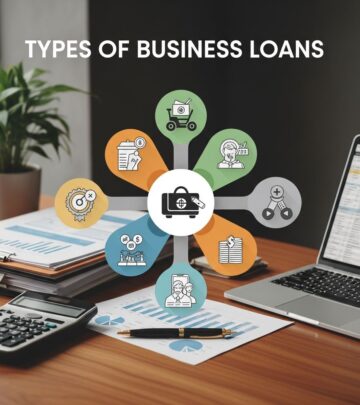
Types of Small Business Loans to Consider
While this article focuses on why to use a small business loan, understanding your main options can help you match the right type of financing to your needs.
Common small business loan options
| Loan Type | Best For | Key Features |
|---|---|---|
| SBA 7(a) Loan | Working capital, expansion, equipment, real estate | Government guarantee, competitive terms, lower down payments, flexible uses. |
| SBA 504 Loan | Real estate and major fixed assets | Long-term, fixed-rate financing for major projects with lower equity contribution. |
| Bank Term Loan | Expansion, equipment, refinancing | Lump-sum funding with fixed schedule; often best rates for strong borrowers. |
| Business Line of Credit | Short-term cash flow and working capital | Flexible draw-and-repay structure; interest usually applies only on amount used. |
Key Considerations Before Taking a Small Business Loan
Even when the reasons are compelling, not every loan is a good fit. Before borrowing, evaluate your readiness and the specific terms on offer.
Questions to ask yourself
- What is the exact purpose of the loan, and how will it support revenue or efficiency?
- How much do I truly need, and what repayment term is realistic for my cash flow?
- What is my current financial position (credit score, revenue, profitability, existing debt)?
- Have I compared multiple lenders and loan products to find competitive rates and terms?
- Do I understand all fees and conditions, including collateral requirements and prepayment rules?
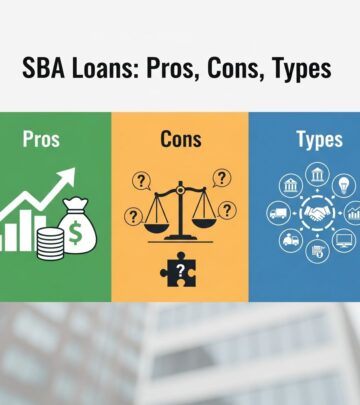
Official SBA guidance emphasizes that SBA-guaranteed loans typically have rates and fees comparable to non-guaranteed loans, plus unique benefits such as lower down payments and flexible overhead requirements. However, they can involve more documentation and a longer approval timeline than some online lenders or credit cards.
Frequently Asked Questions (FAQs)
Q: When is taking a small business loan a good idea?
A: A small business loan makes sense when it supports a clear, well-defined purpose—such as expansion, equipment purchases, or working capital—that is likely to increase revenue or improve efficiency more than the total cost of borrowing. It is especially appropriate when you have realistic cash flow projections showing you can comfortably make the payments.
Q: What are the main advantages of SBA loans?
A: SBA loans are partially guaranteed by the U.S. government, which allows lenders to offer competitive interest rates, lower down payments, and longer repayment terms compared with many conventional loans. They also have flexible uses of funds and, in some programs, access to counseling and educational resources that support business owners.
Q: How do I know how much I can borrow?
A: The amount you can borrow depends on your business’s revenue, profitability, existing debt, and credit profile, as well as the specific loan program. Lenders will evaluate your financial statements, tax returns, and sometimes a business plan to determine a loan size that fits your repayment capacity. SBA programs can provide up to $5.5 million, depending on the loan type and purpose.
Q: Will taking a small business loan affect my personal credit?
A: In many cases, especially for smaller or younger businesses, lenders may require a personal guarantee, and they may check your personal credit during underwriting. This means late payments or default can affect your personal credit. However, over time, successfully managing a business loan can help you build separate business credit and reduce reliance on personal guarantees for future financing.
Q: How long does it take to get approved for a small business loan?
A: Timelines vary by lender and loan type. Bank and SBA loans can take longer due to documentation and underwriting requirements, with some SBA programs taking several weeks to close. Online lenders and lines of credit may provide faster decisions but can come with higher interest rates. Planning ahead and preparing complete financial documentation can help shorten the process.
References
- Loans — U.S. Small Business Administration. 2024-05-01. https://www.sba.gov/funding-programs/loans
- What is an SBA Loan? Understanding the Benefits for Small Businesses — Buckeye State Bank. 2023-09-14. https://www.joinbsb.com/about-us/blog/what-is-an-sba-loan/
- The SBA Advantage: How Small Business Loans Fuel Big Growth — Colony Bank. 2024-02-20. https://colony.bank/the-sba-advantage-how-small-business-loans-fuel-big-growth/
- Pros And Cons Of A Business Bank Loan — Bankrate. 2024-01-10. https://www.bankrate.com/loans/small-business/business-loan-pros-cons/
- The Pros and Cons of SBA Loans — LendingTree. 2023-08-07. https://www.lendingtree.com/business/sba/pros-and-cons-of-small-business-administration-loans/
Similar Articles








Read full bio of Sneha Tete