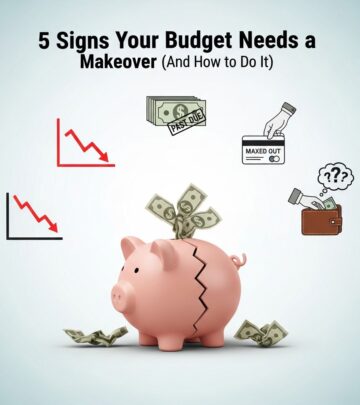
Budget Not Working? 5 Practical Tips To Make It Stick
Learn why your budget isn’t working and use five simple, practical steps to build a stress-free spending plan that finally sticks.

If you feel like you make a budget every month only to abandon it weeks or even days later, you are not alone. Many people create a spending plan that looks great on paper but quickly falls apart in real life. A better budgeting approach starts with understanding why your current budget fails and then using a few practical strategies to fix it.
This guide walks you through the most common reasons budgets don’t work and the 5 key steps to better budgeting so you can save more, spend with confidence, and finally feel in control of your money.
Why Your Current Budget Isn’t Working
Before you overhaul your budget, it helps to pinpoint what is going wrong. Most budget problems fall into a few repeat patterns.
You aren’t tracking all of your expenses
One of the biggest budget killers is missing expenses. If you only account for rent, groceries, and a few bills, but ignore small recurring charges, your plan will always be off.
Commonly forgotten expenses include:
- Streaming services and subscription apps
- Annual or semi-annual bills (insurance, memberships)
- Small daily purchases like coffee or snacks
- Bank fees or occasional service charges
A simple way to catch everything is to review your last 1–3 months of bank and credit card statements line by line and list each recurring or frequent expense. Financial educators and regulators consistently emphasize tracking spending as the foundation of successful budgeting, because you cannot manage what you do not measure.
You are spending more than you make
If your budget only “works” when you ignore the actual numbers, it is not really a budget. Overspending is often subtle: a few extra takeout meals, several impulse purchases, or upgrading services you don’t truly need.
Warning signs that you are budgeting to spend more than you earn include:
- Relying on credit cards to cover everyday living costs
- Carrying a balance month to month and paying interest
- Regularly transferring from savings just to get through the month
Government and central bank data show that many households carry revolving credit card debt, which often reflects spending patterns that exceed income. A sustainable budget must ensure your total expenses are lower than your take-home pay.
You didn’t include any “fun money”
A budget with no room for enjoyment is very hard to stick with. Cutting every fun purchase might work for a week or two, but eventually most people respond to that level of restriction with overspending or giving up altogether.
Instead of aiming for a zero-fun budget, intentionally add a line for:
- Eating out or ordering in
- Entertainment (movies, concerts, events)
- Small personal treats (hobbies, books, beauty, etc.)
Even a modest amount of planned fun money can make your budget feel realistic and sustainable, while still allowing you to prioritize debt payoff and savings.
Your budget doesn’t match your real life
If your schedule, habits, or income pattern do not fit the method you chose, your budget will always feel like a bad fit. For example, a detailed daily tracking system might fail for someone with a very busy schedule, while a strict cash-envelope method might not suit someone who frequently shops online.
Experts recommend picking a system that is simple enough to maintain consistently and flexible enough to handle irregular expenses. Your budget should work with your life, not against it.
You aren’t reviewing and adjusting regularly
Prices change, incomes change, and priorities change. A budget created once and never updated quickly becomes outdated. Without regular check-ins, you may not notice that your grocery costs have climbed or that a subscription increased in price.
Building in a monthly or weekly budget review helps you correct course early, instead of feeling blindsided at the end of the month.
5 Key Steps To Better Budgeting
Once you understand what is going wrong, you can start rebuilding a budget that works. These five steps will help you create a practical, flexible plan that supports your goals.
1. Pick a better budgeting method
Not every budgeting style works for every person. Choose a method that matches your personality, time, and income pattern.
| Budgeting Method | How It Works | Best For |
|---|---|---|
| Zero-based budget | Every dollar of income is assigned a job (spending, saving, or debt payoff) until your income minus expenses equals zero. | People who want detailed control and are willing to track categories closely. |
| 50/30/20 budget | Allocate about 50% of take-home pay to needs, 30% to wants, and 20% to savings and debt payments. | People who want simple guidelines and a balance between enjoyment and saving. |
| 80/20 (pay-yourself-first) budget | Automatically save 20% of your income, then freely spend the remaining 80% on needs and wants. | Busy people who prefer a simple system and can handle flexible categories. |
| Envelope or category-based budget | Set fixed amounts for each category (physical envelopes or digital). Once the money is gone, you stop spending in that category. | People who tend to overspend and need clear limits. |
You can experiment for a few months to see which approach feels easiest to maintain. The best budgeting method is the one you will consistently use.
2. Pay yourself first
Saving only “whatever is left” at the end of the month rarely works. Surveys show that a significant share of Americans save little or nothing from their income. The pay-yourself-first approach flips this script.
Here is how to pay yourself first:
- Decide on a realistic savings rate (for example, 10–20% of your take-home pay).
- Set up an automatic transfer from your checking account to savings or investment accounts on payday.
- Treat this transfer like a non-negotiable bill.
By moving money to savings before you start spending, you protect your future goals and avoid the trap of “I’ll save whatever is left.” This approach is recommended by many financial educators and retirement planners as a core habit for building wealth over time.
3. Automate your finances
Automation makes better budgeting easier and more consistent. Instead of relying on willpower and memory, you build a system that runs in the background.
Consider automating:
- Income deposits: Set up direct deposit so your paycheck arrives quickly and reliably.
- Bill payments: Use automatic payments for recurring bills like utilities, insurance, and loan payments to avoid late fees.
- Savings and investing: Automate transfers to emergency savings, retirement accounts, and other goals.
Automation can reduce late payments—which can incur fees and damage credit scores—and helps ensure that savings happen consistently. Still, it is important to review your accounts at least monthly to confirm that each payment and transfer is correct.
4. Review your budget regularly
A written budget is only useful if you engage with it. Regular reviews help you keep your spending on track and adjust quickly when something changes.
Build a simple review routine:
- Weekly check-in (10–20 minutes): Compare actual spending to your budget, note any categories that are running hot, and make small adjustments.
- Monthly review: Look back at the previous month’s spending, update your categories, and set your plan for the next month.
- Quarterly or annual review: Revisit big-picture goals like debt payoff, emergency savings, and retirement progress.
Think of this as a nonjudgmental “money meeting” with yourself. The goal is not to feel guilty; it is to gather information and make better decisions going forward.
5. Cut expenses where it counts
When your budget is too tight or you want to save more, cutting costs is often easier than increasing income in the short term. Even relatively small monthly savings can add up over time.
Potential areas to cut include:
- Subscriptions and memberships you don’t fully use (apps, streaming, gyms).
- Cable or premium packages if cheaper streaming or bundled alternatives exist.
- Grocery spending by planning meals, using a list, and reducing food waste.
- Bank and credit card fees by choosing low-fee accounts or changing how you use them.
- High-cost discretionary spending like frequent takeout, impulse shopping, or expensive hobbies.
If you reduce expenses by just $100 per month, that is $1,200 in a year. Redirected toward savings or debt repayment, this can significantly boost your financial progress.
How To Make Your New Budget Stick
Creating a better budgeting plan is only half the journey. The other half is making it sustainable. These habits help your new system last.
Be realistic, not perfect
Budgets fail when they ignore reality. If you know you typically spend on certain things—like coffee, hobbies, or gifts—include them in your plan rather than pretending you will suddenly stop. A realistic budget, even if imperfect, is far better than a perfect plan you abandon.
Plan for irregular and seasonal expenses
Birthdays, holidays, car repairs, and annual fees are not surprises—they are just irregular. One of the most effective ways to prevent budget blowups is to set aside a small amount for these expenses every month.
Try this approach:
- Make a list of expected irregular expenses for the next 12 months.
- Estimate the total yearly cost and divide by 12.
- Transfer that amount monthly into a separate “sinking fund” savings bucket.
When those expenses arrive, you pay from the sinking fund instead of scrambling or using high-interest debt.
Use simple tools
You do not need complicated software to budget well. You can use:
- A notebook or printable budget worksheet
- A basic spreadsheet
- Your bank’s built-in budgeting and alert tools
- A simple budgeting app that matches your preferred method
The right tool is the one that makes it easy for you to see your numbers and update them consistently.
Stay flexible as your life changes
Your budget is a living document. When your income changes, you move, or your priorities shift, revisit your plan. You might need to adjust savings rates, change categories, or switch to a different budgeting method. Flexibility keeps your budget aligned with your real life and long-term goals.
Frequently Asked Questions (FAQs)
Q: How do I know which budgeting method is best for me?
Start with your personality and schedule. If you like details and structure, a zero-based or envelope budget can work well. If you are busy or overwhelmed by too many categories, a simple percentage approach like 50/30/20 or an 80/20 pay-yourself-first method is often easier to stick with. Try one approach for 2–3 months, then adjust based on how consistently you can follow it.
Q: How much should I save when I pay yourself first?
Many experts suggest working toward saving at least 10–20% of your income, but the right number depends on your situation, income, and goals. If that feels too high right now, start with a smaller percentage—such as 5%—and increase it gradually as you pay down debt or raise your income.
Q: What if my income is irregular or unpredictable?
If your income fluctuates, base your budget on a conservative estimate—such as the average of your lowest recent months—and create a separate buffer or emergency fund. During higher-earning months, save more aggressively. Regularly reviewing and updating your plan is especially important when your income changes from month to month.
Q: How can I stick to a budget without feeling deprived?
Build in a reasonable “fun money” category and focus on spending intentionally instead of cutting everything you enjoy. Prioritize what you truly value and reduce lower-priority spending. When your budget aligns with your goals and includes some enjoyment, it feels more like a tool for freedom than a restriction.
Q: How often should I update my budget?
Most people benefit from a brief weekly check-in and a more detailed monthly review. Weekly reviews help you catch issues early and adjust before overspending, while monthly reviews allow you to reset your categories, update goals, and react to any changes in income or expenses.
References
- Financial Literacy: Building a Secure Future — U.S. Securities and Exchange Commission. 2024-03-01. https://www.sec.gov/investor/pubs/roadmap.htm
- Building Financial Capability: A Planning Guide for Integrated Services — Consumer Financial Protection Bureau. 2023-06-15. https://www.consumerfinance.gov/practitioner-resources/financial-empowerment
- Making the Most of Your Money: Budgeting 101 — Federal Trade Commission. 2023-01-10. https://www.consumer.ftc.gov/articles/how-budget-your-money
- Consumer Credit – G.19 — Board of Governors of the Federal Reserve System. 2024-09-09. https://www.federalreserve.gov/releases/g19/current/default.htm
- Report on the Economic Well-Being of U.S. Households — Board of Governors of the Federal Reserve System. 2023-05-22. https://www.federalreserve.gov/consumerscommunities/shed.htm
- How America Saves — Vanguard. 2024-06-01. https://institutional.vanguard.com/content/institutional/en/products-services/retirement/investment-solutions/how-america-saves.html
- Tips for Budgeting with Unpredictable Expenses and Income — Quick and Dirty Tips. 2022-08-24. https://www.quickanddirtytips.com/articles/tips-for-budgeting-with-unpredictable-expenses-and-income/
Similar Articles








Read full bio of Sneha Tete