5 Parts Of An Airplane You Shouldn’t Touch For Safer Travel
Discover the germiest spots on airplanes and learn expert tips to stay healthy during your next flight.
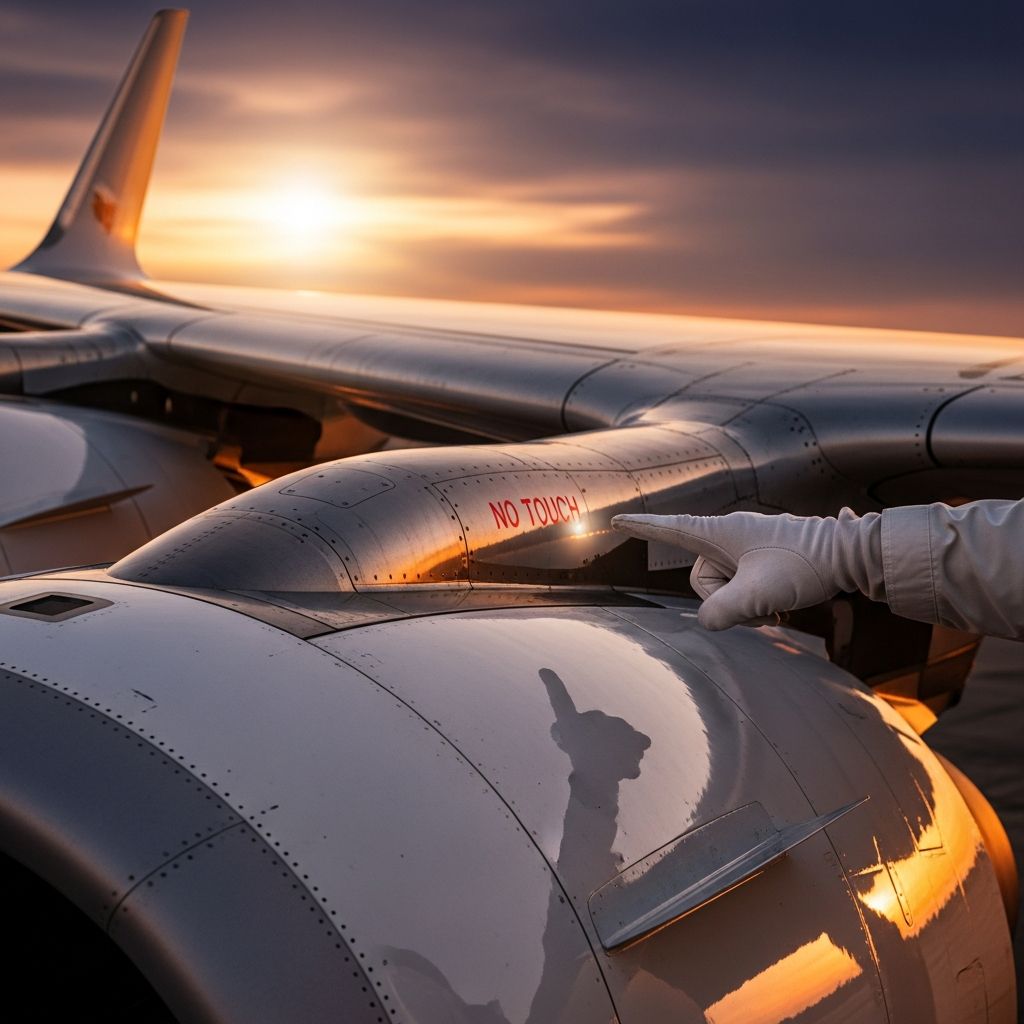
Airplanes are convenient for travel but harbor hidden germs on high-touch surfaces rarely cleaned between flights. Studies reveal tray tables, lavatory handles, and more as hotspots for bacteria like E. coli and MRSA, surviving up to a week. This guide details the top 5 dirtiest areas, why they’re risky, and how to protect yourself for healthier journeys.
1. Tray Tables: The Germiest Surface on Board
Tray tables top the list of airplane filth, harboring more bacteria than nearly any other surface. A University of Arizona study by virologist Chuck Gerba found tray tables contaminated with fecal matter and pathogens like influenza and MRSA. A Washington Post reporter’s swab test ranked them second only to bathroom sink handles, detecting alarming bacteria levels.
Passengers eat, change diapers, and rest feet on these tables, which crew rarely disinfect unless spills occur. Flight attendants confirm trays aren’t wiped regularly between flights. Bacteria thrive here due to infrequent cleaning—often just a quick pass before boarding.
- Risks: E. coli, norovirus, staph infections from residue buildup.
- Evidence: Auburn University research shows pathogens survive 7 days on trays.
To stay safe, wipe trays with disinfectant wipes before use. Avoid placing food directly on them; use a cover or personal mat.
2. Lavatory Handles and Fixtures: Fecal Matter Hotspots
Airplane bathrooms are notorious germ factories due to high usage and minimal cleaning. Sink handles, door latches, and flush buttons swarm with bacteria—Washington Post tests showed sink handles as the dirtiest spot. Gerba’s research detected fecal matter on door latches.
With low toilet-to-passenger ratios, bathrooms accumulate germs from multiple flights without deep cleans. Flight attendants note many skip handwashing, exacerbating spread via handles. ZipClinic highlights flu and other illnesses thriving here.
- Key offenders: Sink faucets, door handles, flush valves.
- Health threats: Norovirus (cruise-ship virus equivalent), gastrointestinal bugs.
Avoid bathrooms if possible—use airport facilities pre-flight. If needed, use elbow or paper towel to touch surfaces, then sanitize hands immediately.
3. Armrests: Aisle Seat Germ Magnets
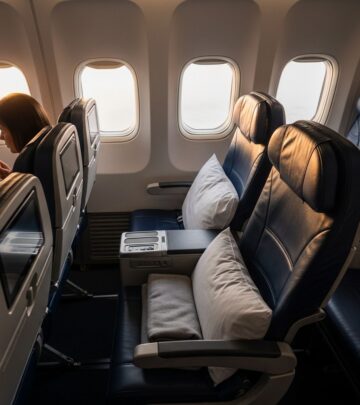
Armrests, especially aisle ones, get brushed by every passerby, spreading germs plane-wide. Passengers leaning, coughing, or sneezing contaminate them, and without per-flight deep cleans, bacteria linger. Studies link armrests to MRSA and flu survival.
Aisle seats amplify exposure as hundreds touch en route to rear cabins. Gerba notes similar high-touch areas like overhead latches also risky.
| Surface | Bacteria Detected | Source |
|---|---|---|
| Armrests | MRSA, Influenza | University of Arizona |
| Aisle Armrests | Multiple pathogens | ZipClinic Study |
Wipe armrests upon boarding. Opt for window seats to minimize contact.
4. Seatback Pockets: Trash Receptacles of Doom
Seatback pockets collect vomit bags, used tissues, and spills—yet rarely get emptied or cleaned thoroughly. Flight attendants report seeing passengers wipe nearby screens but ignoring pockets. Bacteria from food waste and illness breed here, with Auburn studies confirming E. coli persistence.
These pockets serve as onboard trash cans, untouched between short-haul flights. Avoid storing anything important inside.
- Common contaminants: Food residue, bodily fluids.
- Tip: Use carry-on pockets instead; request crew empty if overflowing.
Disinfect before use and never touch your face after reaching in.
5. Pillows, Blankets, and Seatback Screens: Reused Without Washing
Airline pillows and blankets are often reused without laundering, carrying skin cells, drool, and allergens from prior passengers. Seatback entertainment screens and remotes get greasy fingerprints galore, uncleaned post-flight.
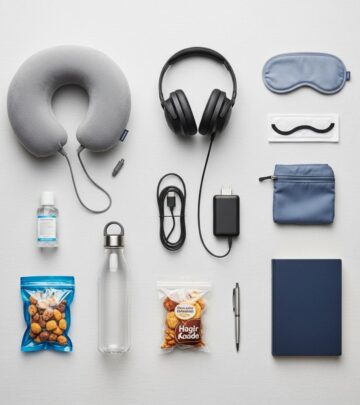
Touchscreens harbor the most grime from constant poking. SmarterTravel notes remotes as particularly nasty. Bring your own neck pillow and hoodie for long flights.
For screens, use wipes or avoid if germ-phobic—many passengers do.
Why Airplanes Are Germ Havens: Cleaning Realities
Planes undergo quick “cleanings”—spot wipes, trash removal—but deep sanitizes happen overnight or between long hauls. High-touch areas like trays and bathrooms miss out. Recirculated air filters help, but proximity spreads respiratory bugs 113 times faster mid-flight.
Experts like Vanderbilt’s William Schaffner compare plane germs to airports or hotels—ubiquitous in shared spaces. However, surface bacteria pale against airborne transmission.
Essential Tips to Stay Germ-Free on Flights
Proactive hygiene trumps avoidance. Emory’s Aniruddha Deshpande recommends frequent handwashing and sanitizing.
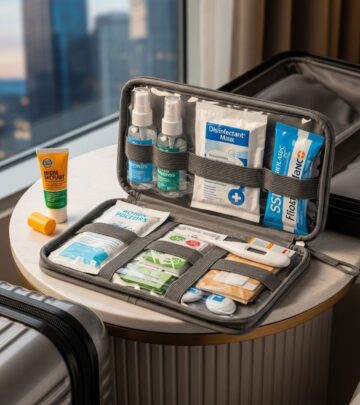
- Pack disinfectant wipes: Clorox or alcohol-based for trays, armrests, screens.
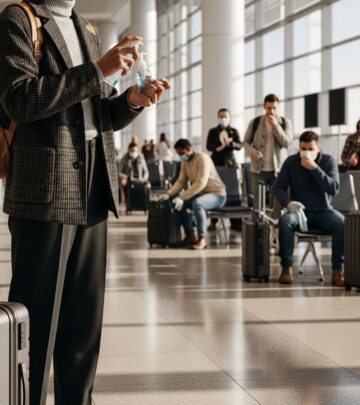
- Hand sanitizer: 60% alcohol gels post-touch.
- Avoid face touching: Eyes, nose, mouth entry points for germs.
- Wear a mask: Blocks respiratory droplets and face-touching urge.
- Board last in premium seats: Dodge sneezy crowds.
- Upgrade wisely: More space reduces proximity risk.
Brooklyn Hospital’s Joshua Rosenberg extrapolates healthcare data: wipes kill viruses on high-touch spots. Wash hands before eating; use airport restrooms.
Frequently Asked Questions (FAQs)
Q: Are airplane tray tables ever properly cleaned?
A: Rarely between flights—only for spills. Studies show heavy bacteria buildup.
Q: Can I get norovirus from a plane bathroom?
A: Possible but rare; fecal matter on handles spreads it. Sanitize rigorously.
Q: Do first-class seats have fewer germs?
A: Cleaning is uniform, but spacing reduces airborne risk.
Q: How long do germs survive on plane surfaces?
A: Up to 7 days for E. coli, MRSA per Auburn research.
Q: Is masking still necessary on flights?
A: Yes for respiratory protection and face-touch prevention.
Bonus: Airport Germs to Dodge Pre-Flight
Don’t forget airports: security bins, escalator rails, and carts swarm germs. Wipe hands post-security. Luggage carts and food areas also risky.
By focusing on these 5 airplane no-touch zones and hygiene hacks, cut illness risk dramatically. Safe travels!
References
- The Four Dirtiest Parts of an Airplane You Should Avoid — ZipClinic. 2023. https://zipclinic.com/blog/dirtiest-parts-of-an-airplane/
- How Dirty Are Planes? I Would Never Touch These 5 Places — Outside Online. 2023-05-15. https://www.outsideonline.com/adventure-travel/advice/how-dirty-are-planes/
- Don’t Touch That! The Dirtiest Parts of the Airplane Cabin, Revealed — AFAR. 2023. https://www.afar.com/magazine/these-are-the-dirtiest-places-on-an-airplane
Similar Articles








Read full bio of Sneha Tete