5 Mortgage Details You Should Know Before You Sign
Avoid costly surprises by mastering these 5 critical mortgage details before signing your home loan documents.

Buying a home is one of the most significant financial decisions you’ll ever make, filled with excitement but also potential pitfalls. While visions of your dream home dance in your head, it’s crucial to scrutinize the mortgage documents before putting pen to paper. Many buyers rush through the process, overlooking fine print that can lead to thousands in unexpected costs or long-term financial strain. This article breaks down the five most important mortgage details you must understand to protect your investment and ensure smooth homeownership. From interest rate structures to hidden fees, arming yourself with knowledge empowers you to negotiate better terms and avoid regrets.
1. Fixed vs. Adjustable Interest Rates
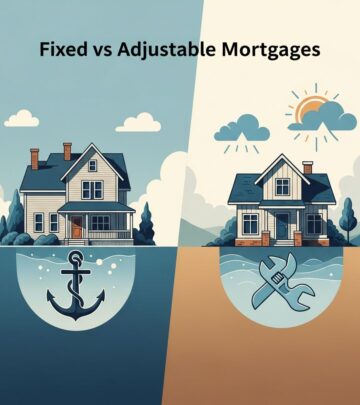
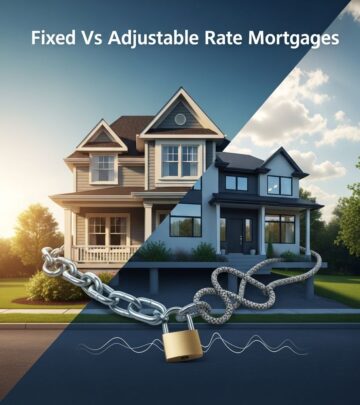
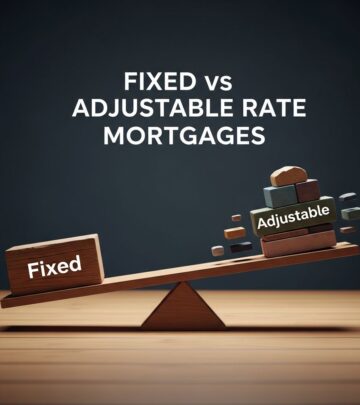
The type of interest rate on your mortgage fundamentally determines your monthly payments and long-term costs. A
fixed-rate mortgage
locks in your interest rate for the entire loan term, typically 15, 20, or 30 years, providing predictability and protection against market fluctuations. For instance, if you secure a 30-year fixed rate at 6%, your principal and interest payment remains constant regardless of economic shifts. This stability is ideal for budget-conscious buyers who prioritize certainty.In contrast, an
adjustable-rate mortgage (ARM)
starts with a lower introductory rate for an initial period (e.g., 5/1 ARM means five years fixed, then annual adjustments). After the teaser period, the rate adjusts based on an index like the Secured Overnight Financing Rate (SOFR) plus a margin set by the lender. While ARMs can save money initially, they carry risk if rates rise, potentially increasing payments significantly. According to mortgage process guidelines, understanding your rate type is essential during the application phase, as it affects pre-approval and affordability assessments.- Pros of Fixed Rates: Stable payments, easier budgeting.
- Cons of Fixed Rates: Higher starting rate than ARMs.
- Pros of ARMs: Lower initial payments, suitable for short-term ownership.
- Cons of ARMs: Payment uncertainty, risk of rate hikes.
Before signing, review the Loan Estimate form, which discloses your rate type and initial APR (Annual Percentage Rate), including fees. Compare offers from multiple lenders to ensure you’re getting the best deal. Recent data emphasizes that fixed rates remain popular for their reliability, especially in volatile markets.
2. Closing Costs and Fees Breakdown
Closing costs often catch buyers off guard, representing 2-5% of the loan amount—potentially $4,000 to $10,000 on a $200,000 mortgage. These aren’t optional; they cover lender fees, title insurance, appraisals, origination charges, and government recording fees. In high-cost states like New York, these can escalate quickly, including legal fees, taxes, inspections, and surveys.
Don’t rely on rough estimates; exact figures may not finalize until hours before closing. Always request a detailed breakdown in the Closing Disclosure, provided three days before signing per federal TRID rules. Key components include:
| Fee Type | Typical Range | Description |
|---|---|---|
| Origination Fee | 0.5-1% of loan | Lender’s processing charge. |
| Appraisal Fee | $300-$500 | Independent home valuation. |
| Title Insurance | 0.5-1% of loan | Protects against ownership disputes. |
| Underwriting Fee | $500-$1,000 | Review of your application. |
| Prepaid Items | Varies | Taxes, insurance escrows. |
Shop around for title services and negotiate lender fees. Some sellers cover portions via concessions. Plan for the worst-case scenario by saving extra cash, as surprises like last-minute repairs can add up. During the mortgage timeline, these are addressed around days 15-25 post-application.
3. Prepayment Penalties and Acceleration Clauses
A prepayment penalty is a fee charged if you pay off your mortgage early or make large principal payments, designed to ensure lenders recoup interest. Common in subprime loans or some ARMs, these can cost 1-2% of the prepaid amount in the first few years. For example, paying off a $200,000 loan early might incur a $2,000-$4,000 hit.
Acceleration clauses allow lenders to demand full repayment if you default or sell the home. Federal law limits penalties on most conventional loans, but review your Note and Rider for specifics. Strategies like making extra principal payments (e.g., $1,000 monthly on a $200,000 loan at 6%) can shave years off your term without penalties if prohibited. Always confirm: “Is there a prepayment penalty? For how long and under what conditions?” Qualified mortgages (QMs) under CFPB rules ban most penalties, so opt for QM-compliant loans.
4. Escrow Accounts for Taxes and Insurance
An escrow account, required for most mortgages under 20% down, holds monthly deposits for property taxes and homeowners insurance, paid annually by the lender. This protects the lender but ties up your cash—monthly escrows might add $200-$500 to payments.
Benefits include avoiding large lump-sum bills and ensuring coverage. However, shortages occur if taxes rise or estimates are low, triggering refundable but stressful true-ups. You can waive escrow with 20%+ equity, but lenders often mandate it for conventional loans. Understand your initial escrow analysis and annual statements. Per standard processes, finalize insurance at closing (day 30).
- Monitor for surpluses (get refunds).
- Budget for increases.
- Shop insurance for savings passed to escrow.
5. Loan Term Length and Amortization Schedule
The loan term dictates total interest paid: a 15-year mortgage at 6% on $200,000 costs far less interest than 30 years, but monthly payments are higher ($1,688 vs. $1,199). Amortization spreads payments over the term, with early payments mostly interest, shifting to principal later.
Request a full amortization schedule at application. Shorter terms build equity faster but strain budgets; longer terms ease cash flow. Bi-weekly payments accelerate payoff without refinancing. Avoid extending terms unnecessarily, as it inflates costs. During pre-approval, assess affordability across terms.
Frequently Asked Questions (FAQs)
What documents do I need for a mortgage application?
Prepare W-2s for two years, recent pay stubs, bank statements, tax returns, and gift letters if applicable.
How long does the mortgage process take?
Typically 30-45 days from application to closing, including appraisal and underwriting.
Can I avoid private mortgage insurance (PMI)?
Yes, with 20% down payment; otherwise, it’s required until you reach 20% equity.
What if rates drop after I lock my rate?
Discuss float-down options or refinance later, weighing costs.
Are closing costs tax-deductible?
Some like points and interest are; consult a tax advisor.
Final Checklist Before Signing
Review every page: verify names, amounts, dates. Walk away if rushed. Bring a trusted advisor. These five details—rate type, closing costs, prepayments, escrow, and terms—guard against pitfalls. Informed buyers save money and stress.
References
- Mortgage Process: Simple Steps to Get Your Home — Webster Five. 2023. https://www.web5.com/personal-banking/mortgages/mortgage-process-simple-steps-to-get-your-home/
- How to Ensure You Get the Home Loan You Want — Wise Bread. 2022-10-15. https://www.wisebread.com/how-to-ensure-you-get-the-home-loan-you-want
- Speeding through your mortgage — Wise Bread. 2023. https://www.wisebread.com/speeding-through-your-mortgage-0
- 5 Money Moves That Will Ruin Your Mortgage Application — Wise Bread. 2024. https://www.wisebread.com/5-money-moves-that-will-ruin-your-mortgage-application
- Consumer Financial Protection Bureau: Know Before You Owe — CFPB.gov. 2025-01-01. https://www.consumerfinance.gov/owning-a-home/closing-disclosure/
Similar Articles








Read full bio of medha deb