5-Minute Finance: Track Your Spending And Stop Money Leaks
Master your money in just 5 minutes a day by tracking spending to uncover leaks, build budgets, and achieve financial freedom.
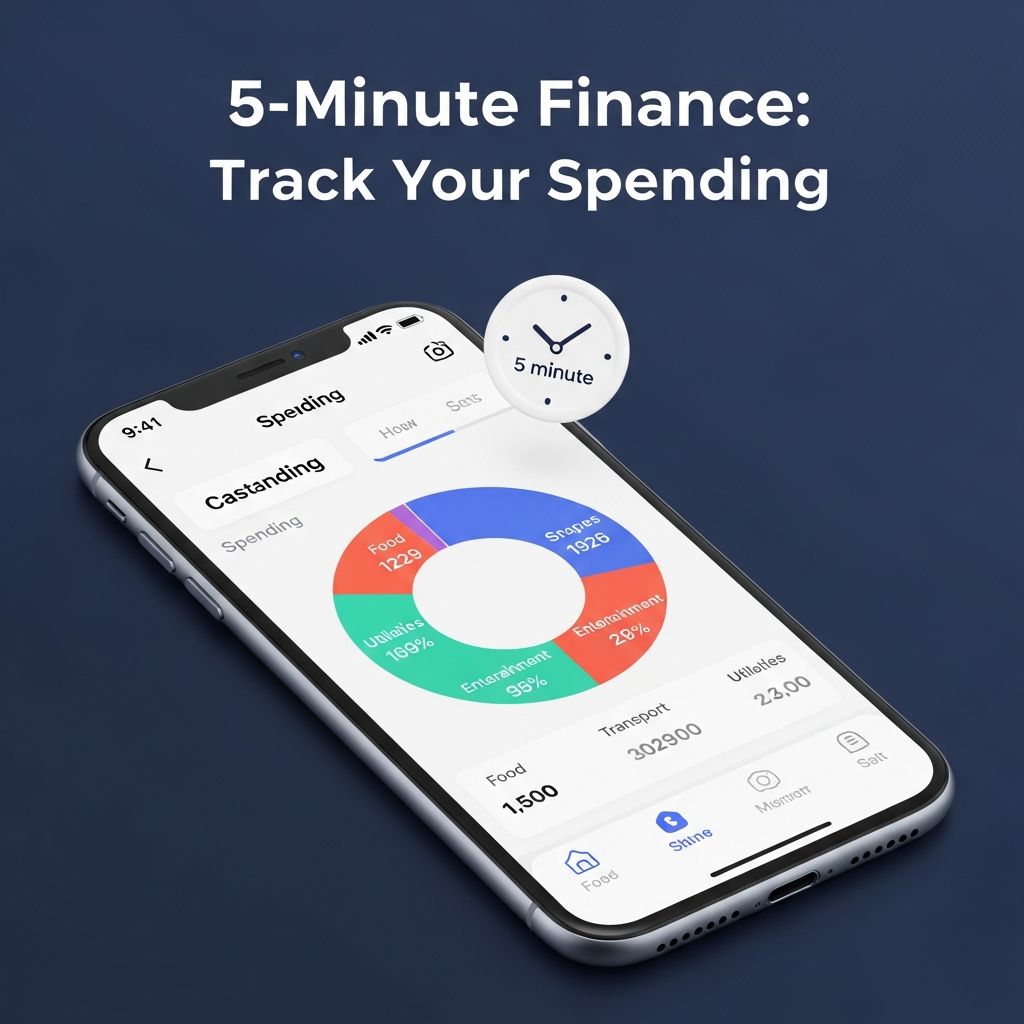
Tracking your spending is a game-changer for financial health, requiring only minutes daily to reveal where your money truly goes and empower smarter decisions. This quick habit uncovers hidden leaks, supports budgeting, and builds long-term wealth without complex setups.
Why Track Your Spending?
Many feel time-crunched or financially overwhelmed without realizing hours vanish on social media or small purchases erode budgets. Tracking provides clarity, much like monitoring time reveals productivity gaps. Libby Kane, CFEI, emphasizes it’s the “best, most critical first step” to control finances, forming the foundation for budgets, savings, and investments.
Without tracking, wasteful habits persist—think $270 monthly on unused subscriptions or impulse buys adding up to thousands yearly. Studies show people spend up to twice as much with cards versus cash, highlighting tracking’s role in curbing overspending.
- Reveals leaks: Pinpoint frittered money on coffee, bottled water, or zombie subscriptions.
- Builds awareness: Visualizes habits, making waste painful to record.
- Enables cuts: Frees funds for savings or goals after identifying non-essentials.
How to Track Your Spending in 5 Minutes a Day
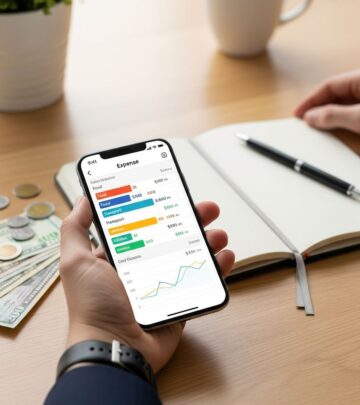
Dedicate three minutes daily to review transactions via app or spreadsheet—no more needed for transformation. Aggregate accounts into one dashboard to eliminate login friction across banks, cards, and loans.
Daily Routine
- Open your tool: Log into your aggregator, spreadsheet, or app.
- Review transactions: Categorize latest spends (e.g., groceries, entertainment).
- Spot issues: Flag anomalies like recurring fees or overspends.
- Adjust on the fly: Note cuts, like canceling unused subs using tools like Trim.
This habit fosters confidence, empowering spending on priorities while slashing irrelevancies.
Tools for Effortless Tracking
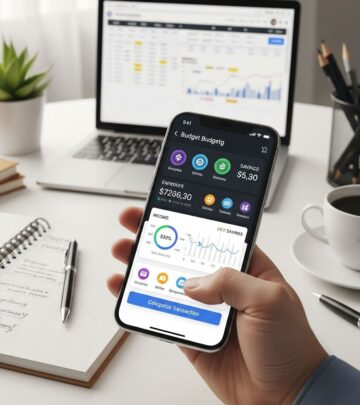
Choose from digital apps, spreadsheets, or low-tech methods based on preference. Aggregators unify finances; old-school tools add tactile accountability.
| Tool | Type | Cost | Key Features | Best For |
|---|---|---|---|---|
| Tiller | Spreadsheet | $79/year | Bank sync, auto-categorization, 256-bit encryption, daily emails | Customizable tracking, business/side hustle |
| YNAB | App | $99-$110/year | Bank sync, auto-categorization, 128-bit encryption, notifications | Goal-oriented budgeting |
| RescueTime/Toggl | App | Free tiers | Time tracking (analogous to spending) | Productivity parallels |
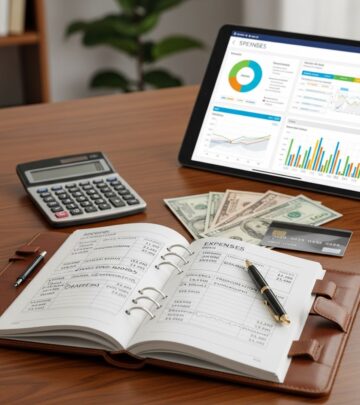
| Moleskine/Spending Book | Paper | <$20 | Manual logging, visual triumphs | Low-tech accountability |
Tiller’s templates handle subscriptions, savings goals, and taxes; paper methods like spindles organize receipts chronologically for reconciliation.
Old-School Tools That Still Work Wonders
Low-fi options outperform apps for visual thinkers, organizing finances better than digital alone.
- Receipt Spindle: Pierce daily receipts nightly; end-month stack is chronological, ready for apps like Mint. Takes <20 min monthly.
- Duplicate Checks: Act as receipts; ideal when cards aren’t accepted, tracking utilities precisely.
- Spending Book: Journal every expense like a diet log—reveals boring fritters (e.g., to-go coffee) killing budgets.
- Financial Triumphs Record: Track all income sources (even dimes) in datebooks for motivation.
- Envelope System: Cash-stuff categories (groceries: $200); prevents overspend as funds zero out. Zero-based budgeting visualizes leftovers as wins.
- Portable Filing Cabinet: Accordion files store reconciled receipts for taxes.
Writing entries slows impulses, mimicking cash’s pain over card swipes.
Automate to Minimize Effort
Post-tracking, automate: Set payday withdrawals to savings/401(k) and bill pay to avoid misses. This frees mental space while tracking spots leaks.
- Savings Goals: Tiller’s templates track emergency funds ($1,000 milestone transforms security).
- Subscription Reports: Uncover $270/month averages; cancel zombies.
- Side Income: Dedicated sheets for cash flow/taxes.
Common Pitfalls and Fixes
Avoid overload by starting small—track one week to reveal habits. If digital daunts, pen/paper suffices.
- Pitfall: Overwhelm. Fix: 3-min daily reviews only.
- Pitfall: Multiple logins. Fix: Aggregators like Tiller.
- Pitfall: Forgetting cash. Fix: Spending book or envelopes.
Frequently Asked Questions (FAQs)
Q: How long does tracking take daily?
A: Just 3-5 minutes to review and categorize recent transactions, building momentum without burnout.
Q: Paper vs. apps—which is better?
A: Apps auto-sync; paper adds painful awareness, curbing spends. Combine for best results.
Q: What if I overspend initially?
A: Tracking reveals why—adjust by cutting subs or automating savings first.
Q: Can tracking help with time management too?
A: Yes, analogous: Log time like money to cut social media wastes.
Q: Is the envelope system outdated?
A: No—visual cash control prevents overspends better than cards alone.
Start Today for Lasting Change
Commit to 5 minutes now: Grab a notebook or app, log today’s spends. Over a year, like one tracker reports, finances dramatically improve. Track diligently, automate wisely, and watch savings grow.
References
- Track your spending. Or not. — Wise Bread. 2009-approx (authoritative personal finance classic, still relevant for core habits). https://www.wisebread.com/track-your-spending-or-not
- How to Use Budgeting Skills to Improve Your Time Management — Wise Bread. Recent (high-credibility finance site). https://www.wisebread.com/how-to-use-budgeting-skills-to-improve-your-time-management
- 7 Proven Steps To Feeling Calm About Your Money In Turbulent Times — Tiller. 2023 (official finance tool provider). https://tiller.com/7-proven-steps-to-feeling-calm-about-your-money-in-turbulent-times/
- 6 Old School Tools to Help You Stay on Budget — Wise Bread. Recent (peer-endorsed frugal living). https://www.wisebread.com/6-old-school-tools-to-help-you-stay-on-budget
- Build a Budget that Works Towards Your Goals — Debt.com. 2024 (finance education site). https://www.debt.com/budgeting/
- This 1 habit could transform your finances — AOL Finance. 2024 (major newsroom). https://www.aol.com/finance/1-habit-could-transform-finances-171500063.html
Similar Articles








Read full bio of Sneha Tete