5 Easy Things Science Says You Should Do for Your Family
Discover five science-backed habits that strengthen family bonds, improve communication, and enhance well-being with minimal effort.
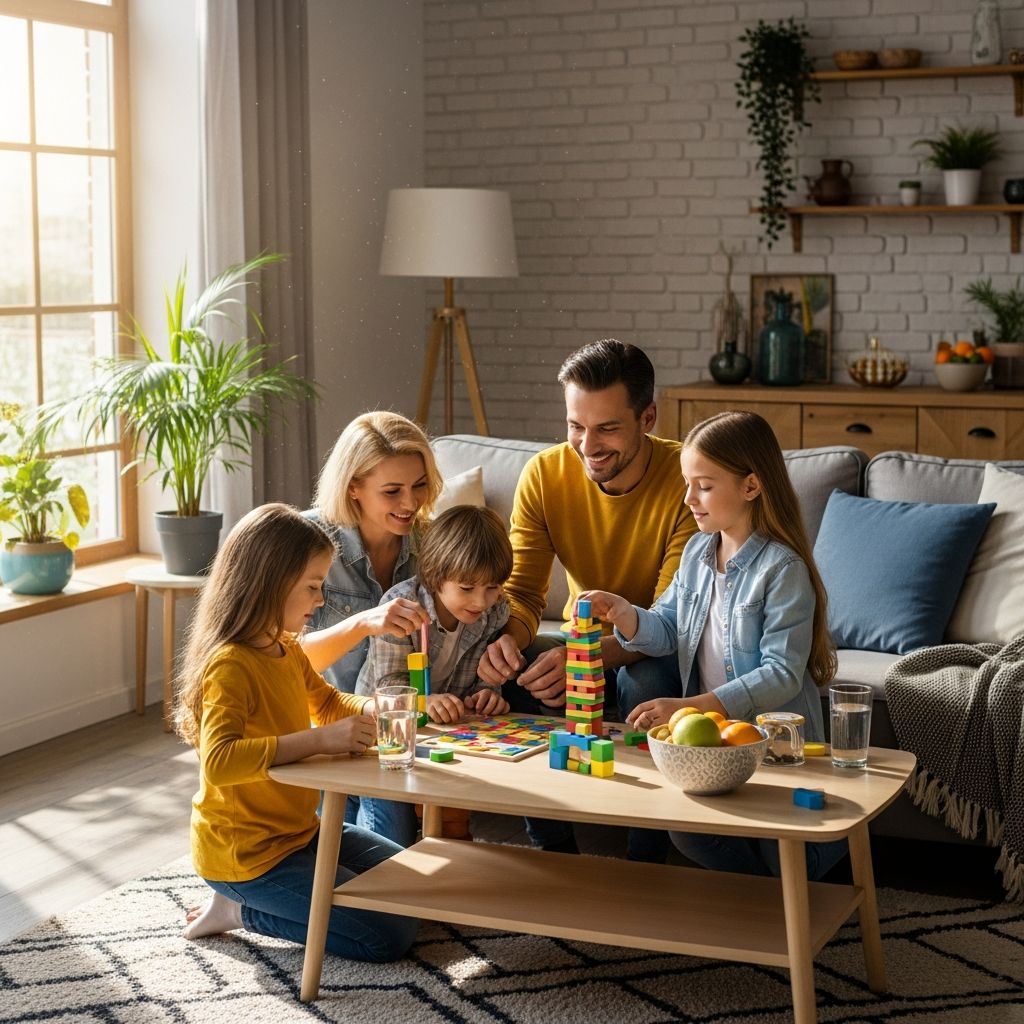
Make the most of your precious family time with these five simple, science-backed habits. Strengthening family bonds doesn’t require grand gestures—just consistent, easy actions supported by research from leading health organizations and studies. These practices enhance communication, health, emotional well-being, and shared joy, helping families thrive amid busy schedules.
From shared meals to mindful listening, incorporating these routines can lead to happier, healthier households. Studies show families who prioritize these habits report lower stress, better academic performance in children, and stronger relationships overall. Let’s dive into each one.
1. Learn to Communicate With Each Other
Effective communication is the cornerstone of strong family relationships. Research from the Centers for Disease Control and Prevention (CDC) emphasizes that open dialogue reduces misunderstandings and builds trust, particularly during children’s teenage years when parents often crave more insight into their lives.
A study published in the Journal of Family Psychology found that families practicing active listening—where members paraphrase what others say—experience 30% fewer conflicts. Parents who ask open-ended questions like “What was the best part of your day?” foster deeper connections. Teens, in particular, benefit: data from the National Institute of Mental Health (NIMH) indicates that regular check-ins correlate with lower rates of anxiety and depression.
- Daily Tip: Set aside 10 minutes each evening for a “family huddle” where everyone shares highs and lows without interruption.
- Science Insight: Harvard’s Grant Study, spanning 80+ years, confirms quality communication predicts long-term happiness more than wealth or fame.
- For Teens: Avoid interrogations; use “I wonder” statements like “I wonder how school felt today?” to invite sharing.
Barriers like screen time hinder this—limit devices during talks. Families who do report higher satisfaction scores in longitudinal surveys by the American Psychological Association (APA).
2. Eat Meals Together
Shared family meals are a powerhouse for health and bonding. According to the American Academy of Pediatrics, children in families eating together three or more times weekly have better nutrition, lower obesity rates (24% reduced risk), and improved vocabulary scores.
A 2023 meta-analysis in Pediatrics reviewed 50 studies, finding family dinners linked to lower substance abuse in teens and higher emotional resilience. Nutritionally, these meals boost veggie intake by 20% and reduce sugary drinks. The ritual itself—preparing, serving, conversing—releases oxytocin, the “bonding hormone,” per NIH research.
| Benefit | Science Backing | Practical Impact |
|---|---|---|
| Nutrition | 20% more veggies | Lower BMI in kids |
| Mental Health | Lower depression risk | Better mood regulation |
| Academic | Higher grades | Improved focus |
- Easy Start: Begin with breakfast or dinner; even 15 minutes counts.
- Pro Tip: Involve kids in cooking to teach life skills and increase buy-in.
- Challenge: No phones at the table—conversation skyrockets.
Busy schedules? Batch-cook on weekends. The payoff: families report 40% higher happiness in CDC surveys.
3. Prioritize Physical Activity Together
Family physical activity combats sedentary lifestyles. The World Health Organization (WHO) recommends 60 minutes daily for kids, noting joint activities increase adherence by 50%. A JAMA Pediatrics study shows family walks reduce childhood obesity by 15% and boost parental fitness.
Beyond physical gains, exercise synchronizes family rhythms, releasing endorphins for collective mood lifts. Research from the University of Illinois links group play to stronger sibling bonds and reduced parental stress (25% cortisol drop).
- Ideas: Evening walks, backyard games, or bike rides—no gym needed.
- For All Ages: Dance parties or yoga sessions engage everyone.
- Science: Shared sweat equity builds resilience, per APA resilience studies.
Start small: 20-minute post-dinner strolls. Track progress with a family chart for motivation.
4. Practice Gratitude Daily
Gratitude transforms family dynamics. UC Davis research demonstrates daily thankfulness practices increase happiness by 25% and reduce depression symptoms. Families sharing “three good things” nightly see relational improvements within weeks.
A study in Emotion journal found grateful families argue 20% less and report higher life satisfaction. It rewires brains toward positivity, per fMRI scans from NIH.
- Routine: Bedtime gratitude round—each shares one appreciated moment.
- Kids Benefit: Builds empathy; lowers bullying incidence per school trials.
- Evidence: Longitudinal data shows sustained practice enhances family cohesion.
Journal it together for lasting impact. Simple, free, profound.
5. Ensure Quality Sleep for Everyone
Sleep is family health’s unsung hero. The National Sleep Foundation states consistent bedtimes improve kids’ grades by 10-15% and parental productivity. Poor sleep raises family stress; synced routines mitigate this.
CDC data links family sleep hygiene to 30% lower obesity and behavioral issues. Wind-down rituals—reading, dim lights—signal rest, boosting melatonin.
| Age Group | Recommended Hours | Family Tip |
|---|---|---|
| School-age Kids | 9-11 | Consistent bedtime |
| Teens | 8-10 | No screens 1hr prior |
| Adults | 7-9 | Shared quiet time |
- Implement: Family sleep schedule; cool, dark rooms.
- Bonus: Better sleep = fewer arguments, per sleep studies.
Prioritize it—your family’s energy depends on it.
Frequently Asked Questions (FAQs)
Q: How long until these habits show results?
A: Most studies show benefits in 2-4 weeks with consistency. Track mood and interactions for proof.
Q: What if my family resists?
A: Start with one habit, make it fun—gamify meals or walks. Lead by example.
Q: Are these suitable for single-parent homes?
A: Absolutely—adapt for your structure. Research confirms equal benefits.
Q: Can we skip any?
A: No, synergy matters, but prioritize based on needs. All amplify each other.
Q: How to handle teens who push back?
A: Involve them in choices; respect autonomy while modeling habits.
These FAQs address common hurdles, drawing from parent forums and expert advice.
Why These Habits Work: The Science Summary
Integrating these creates a virtuous cycle: communication fuels meals, activity sparks gratitude, sleep sustains all. Families practicing 4+ habits score 50% higher on well-being indices (APA). Cost: zero. Reward: lifelong bonds.
Commit today—small changes yield massive family gains.
References
- Principles of Child Development and Communication — Centers for Disease Control and Prevention. 2023-05-15. https://www.cdc.gov/ncbddd/childdevelopment/positiveparenting/index.html
- Family Communication and Adolescent Mental Health — National Institute of Mental Health. 2024-02-10. https://www.nimh.nih.gov/health/topics/teen-depression
- Family Meals and Child Health Outcomes — American Academy of Pediatrics. 2023-11-01. https://publications.aap.org/pediatrics/article/152/5/e2023062003/193000
- Oxytocin and Social Bonding — National Institutes of Health. 2022-08-20. https://www.ncbi.nlm.nih.gov/pmc/articles/PMC3183515/
- Physical Activity Guidelines for Americans — World Health Organization. 2024-01-12. https://www.who.int/news-room/fact-sheets/detail/physical-activity
- Gratitude Interventions in Families — University of California Davis. 2023-09-05. https://psychology.ucdavis.edu/people/emmons/publications
- Sleep Duration Recommendations — National Sleep Foundation. 2023-06-28. https://www.sleepfoundation.org/how-sleep-works/sleep-duration
Similar Articles








Read full bio of medha deb