Pink Tax: 4 Practical Tips To Avoid Extra Costs
Discover practical strategies to sidestep the pink tax and save hundreds annually on gender-priced products and services.
The
pink tax
refers to the practice of charging higher prices for products and services marketed toward women compared to nearly identical versions for men. This gender-based pricing affects everyday purchases like personal care items, clothing, and dry cleaning, potentially costing women an extra $1,350 or more annually.Understanding and combating the pink tax is essential for financial empowerment, especially amid ongoing gender pay gaps where women earn roughly 82% of men’s wages. This article breaks down the pink tax, its real-world impact, and provides
four practical tips
to minimize its burden on your budget.What Is the Pink Tax?
The pink tax isn’t a formal government levy but a colloquial term for markup on gender-targeted goods and services. A landmark 2015 study by the New York City Department of Consumer Affairs (DCA) analyzed over 800 products across 91 brands, finding women’s versions cost 7% more on average than men’s.
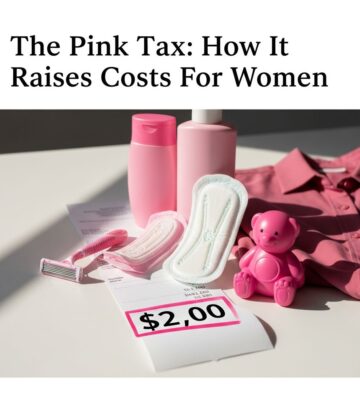
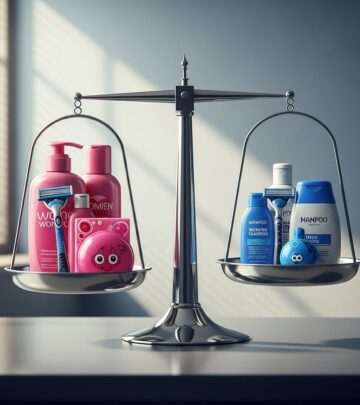
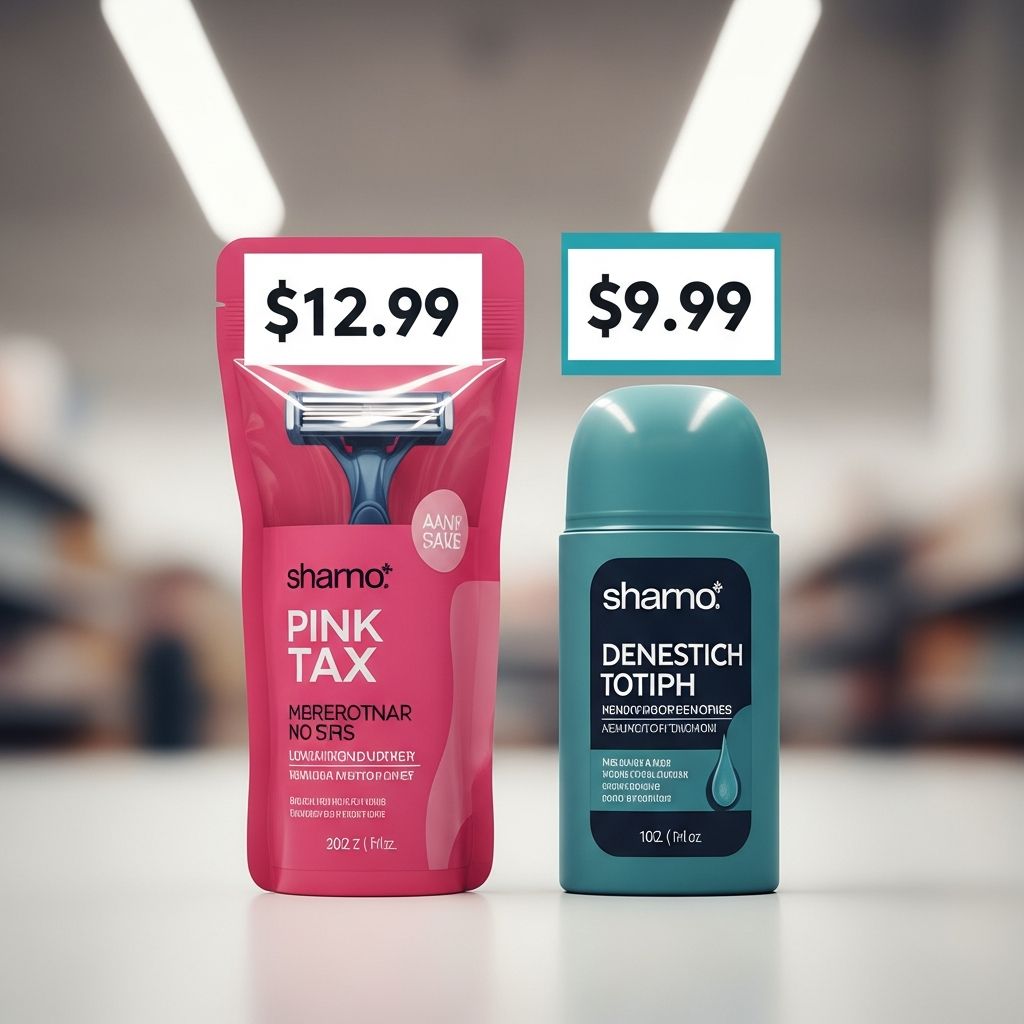
Examples abound: Women’s razors, shampoos, and lotions often carry a 13% premium despite similar ingredients and quantities. Dry cleaners may charge up to 20% more for women’s shirts due to perceived complexity in handling blouses versus men’s button-downs. Even children’s toys show disparities, with pink scooters pricier than blue equivalents of the same design.
Explanations vary. Manufacturers claim higher production costs from added scents, packaging, or fabrics, while critics point to price discrimination exploiting gendered marketing. Higher import tariffs on women’s apparel also contribute.
How Much Does the Pink Tax Cost?
Estimates differ, but the financial toll is substantial. The U.S. Congress Joint Economic Committee (JEC) reported women pay $1,350 more yearly, equivalent to $2,135 adjusted for inflation. Over a lifetime, this could exceed $30,000, widening the wealth gap as women already face lower earnings.
Personal care alone adds up: Women pay 13% more for razors and shave cream. Clothing sees women owning more items but facing steeper per-unit prices and tariffs. Services like dry cleaning amplify costs—women’s garments often incur higher fees.
| Category | Average Pink Tax Premium | Annual Extra Cost Estimate |
|---|---|---|
| Personal Care (Razors, Shampoo) | 13% | $200–$400 |
| Clothing | 7–15% | $500+ |
| Dry Cleaning | 10–20% | $100–$200 |
| Total | 7% average | $1,350+ |
This table synthesizes data from studies, highlighting how small premiums compound.
Current Laws Addressing the Pink Tax
Progress exists: New York and California ban pricing disparities on “substantially similar” goods, defined by comparable materials, features, and use. Miami-Dade County, Florida, follows suit. These laws mandate equal pricing for items like identically specced pink and blue scooters.
The Affordable Care Act eliminated gender-based health insurance premium differences. However, no federal ban exists, leaving most Americans unprotected. Advocacy continues for broader reforms, including tax deductions for pink tax items like menstrual products.
4 Tips for Avoiding the Pink Tax
While systemic change lags, individuals can fight back. Here are
four evidence-based tips
targeting high-impact areas.Tip #1: Buy Unisex or Men’s Products for Personal Care
Opt for gender-neutral or men’s grooming items, which are often cheaper and functionally identical. Men’s razors cost 13% less than women’s despite similar blades. Shampoos and lotions for men lack premium scents, saving 7–13%.
- Compare active ingredients: Ignore color and marketing.
- Stock up on bulk men’s deodorant or body wash—same efficacy, lower price.
- Result: Potential $200–$400 annual savings.
Pro tip: Test small sizes first to ensure skin compatibility.
Tip #2: Shop Smart for Clothing and Accessories
Women’s fashion bears higher tariffs and design costs, but strategic shopping circumvents this. Buy from men’s sections for basics like T-shirts, socks, or jeans—adjust sizing as needed.
- Seek unisex brands like Patagonia or Everlane for fair pricing.
- Use sales, outlets, or thrift stores where gender markups fade.
- Avoid impulse buys on “women’s exclusive” lines.
Budget allocation: Limit wardrobe to versatile, multi-use pieces to reduce overall spend.
Tip #3: Negotiate or Find Alternatives for Services Like Dry Cleaning
Dry cleaners often quote higher for women’s items presuming delicacy. Challenge this:
- Ask for men’s pricing on similar fabrics (e.g., blouse vs. shirt).
- Hand-wash delicates or use home dry-cleaning kits ($1–$2 per item vs. $5+).
- Seek cleaners without gender pricing—many chains comply post-NY/CA laws.
Savings: Up to 20% per visit, or $150 yearly for regular users.
Tip #4: Budget and Track Pink Tax Categories
Incorporate awareness into your financial plan. Use apps to track spending by category, flagging pink tax items.
- Allocate a “gender-neutral” fund: Redirect savings to investments.
- Review receipts monthly: Question disparities.
- Advocate: Support brands with transparent pricing.
Long-term: This mindset reduces lifetime costs by thousands, enhancing financial independence.
FAQs
What is the pink tax exactly?
The pink tax describes higher prices for women-targeted products/services versus men’s equivalents, averaging 7% more per a NYC DCA study.
How much does the pink tax cost women yearly?
Around $1,350, per U.S. Congress JEC, covering personal care, clothing, and services.
Is the pink tax illegal?
In NY, CA, and Miami-Dade for substantially similar goods; no federal law yet.
What’s the difference between pink tax and tampon tax?
Pink tax is private-sector markup; tampon tax is sales tax on menstrual products as “luxuries.”
Can men be affected by the pink tax?
Rarely; it primarily burdens women due to targeted marketing and pay gaps.
Broader Implications for Women’s Finances
Beyond direct costs, the pink tax compounds with the gender pay gap, limiting savings and wealth-building. Women spend a larger income share on essentials, hindering opportunities like homeownership or retirement. Combating it via these tips promotes equity.
Empower yourself: Audit your cart next shop. Small choices yield big savings.
References
- The Pink Tax: What It Is and How Women Can Properly Budget for It — Birch Street Advisors. 2023. https://birchstreetadvisors.com/blog/the-pink-tax-what-it-is-and-how-women-can-properly-budget-for-it
- What Is The Pink Tax And Its Impact On Consumers? — Rocket Money. 2024. https://www.rocketmoney.com/learn/personal-finance/the-pink-tax-what-is-it-and-how-can-i-avoid-it
- Pink tax — Wikipedia (citing primary studies). 2025. https://en.wikipedia.org/wiki/Pink_tax
- Reducing Gender Inequality Through the Tax Code: The Pink Tax Deduction — Georgetown Journal of Gender and the Law. 2025-05. https://www.law.georgetown.edu/gender-journal/wp-content/uploads/sites/20/2025/05/Reducing-Gender-Inequality-Through-the-Tax-Code-The-Pink-Tax-Deduction-1.pdf
- The Pink Tax: How Gender-Based Pricing Hurts Women’s Buying Power — U.S. Congress Joint Economic Committee. 2023. https://www.jec.senate.gov/public/_cache/files/8a42df04-8b6d-4949-b20b-6f40a326db9e/the-pink-tax—how-gender-based-pricing-hurts-women-s-buying-power.pdf
Similar Articles








Read full bio of medha deb