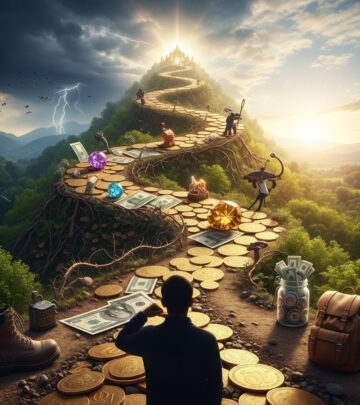
4 Reasons to Splurge on Experiences, Not Things
Discover why investing in memorable experiences brings more lasting happiness and value than buying material possessions.

When it comes to spending your hard-earned money, the choice between buying
experiences
orthings
can significantly impact your overall happiness and life satisfaction. Research shows that people derive more joy from experiential purchases, like concerts or travel, than from material goods. This article outlines four key reasons why splurging on experiences is a smarter financial and emotional investment, drawing from psychological insights and practical examples.Experiences Make You Happier
One of the primary benefits of splurging on experiences is the boost in
happiness
they provide. Unlike material possessions that lose their novelty quickly—a phenomenon known as hedonic adaptation—experiences continue to deliver joy through fond memories long after the event ends. For instance, recalling a family vacation or a live music performance can spark positive emotions weeks or months later, whereas the thrill of a new gadget fades rapidly.Studies from Psychology Today highlight that spending on “doing” promotes more
in-the-moment happiness
compared to “having” stuff. This is because experiences engage us fully in the present, creating a sense of fulfillment that possessions often fail to match. Consider a weekend hiking trip versus a new pair of shoes: the hike builds anticipation beforehand, immersion during, and reflection afterward, multiplying its value over time.Moreover, experiences align with positive reinforcement in personal finance. When you’re meeting savings goals, treating yourself to an enjoyable outing motivates continued discipline without guilt. This approach prevents burnout from extreme frugality, making financial responsibility sustainable and enjoyable.
Experiences Are Better for Relationships
**Social connections** are a cornerstone of happiness, and experiences naturally facilitate them. Attending a concert, dining out with friends, or embarking on a group adventure turns spending into shared memories that strengthen bonds. Material items, by contrast, are solitary acquisitions that don’t inherently involve others.
Experiences are particularly powerful because they are
shareable
. Discussing a thrilling skydiving session or a cultural festival with loved ones reinforces the joy and deepens relationships. Wise Bread notes that these events “strengthen the bonds with others who make us happy,” outperforming the isolated pleasure of owning a new watch or handbag.To illustrate, imagine splurging on tickets to a sports event with family. The collective excitement, cheers, and post-game stories create lasting relational ties. In contrast, buying individual gadgets rarely sparks the same interpersonal magic. Research supports this: social experiences correlate with higher life satisfaction scores than solitary purchases.
- Shared anticipation: Planning a trip together builds excitement.
- Real-time bonding: Laughter and reactions happen in the moment.
- Enduring stories: Memories become family lore, revisited often.
Experiences Are Less Subject to Buyer’s Remorse
**Buyer’s remorse** plagues material purchases far more than experiences. After buying a gadget or clothing item, doubts creep in: Was it the right choice? Did I overpay? Experiences sidestep this trap because their value is tied to intangible memories rather than depreciating objects.
Even if an experience doesn’t go perfectly—a rainy concert or delayed flight—the narrative often improves in hindsight. Psychologists call this “rosy retrospection,” where memories of events become fonder over time. Things, however, reveal flaws immediately: poor quality, mismatched style, or quick obsolescence lead to regret.
Practical examples abound. A splurge on a cooking class might yield new skills and fun stories, even with minor mishaps. A pricey jacket, however, sits unused if trends shift. This resilience makes experiences a safer bet for discretionary spending, especially on tight budgets where every dollar counts.
| Aspect | Experiences | Things |
|---|---|---|
| Happiness Duration | Long-lasting memories | Short-term novelty |
| Regret Risk | Low (rosy retrospection) | High (flaws visible) |
| Social Value | High (shared) | Low (personal) |
Experiences Can Become Part of Your Identity
Finally, experiences shape your
sense of self
in ways possessions cannot. Learning to surf, attending a writing workshop, or traveling abroad integrates into your identity: “I’m a surfer” or “I’ve explored Europe.” These become core stories that define you, providing ongoing pride and purpose.Material goods offer superficial labels at best—a luxury bag signals status but doesn’t transform you. Experiences, however, foster personal growth, skills, and confidence. For example, a photography tour not only creates photos but hones a craft, enriching life long-term.
This identity boost enhances happiness prospectively. Reflecting on achievements from experiences—like mastering a language on an immersion trip—fuels motivation and self-esteem, unlike the static ownership of items. In financial terms, such splurges align with long-term well-being over fleeting consumerism.
Frequently Asked Questions (FAQs)
Q: Are experiences always more expensive than things?
A: Not necessarily. A local concert ticket might cost less than a high-end gadget, and free hikes can rival paid purchases in joy. Focus on value, not just price.
Q: What if an experience disappoints?
A: Disappointments fade faster than buyer’s remorse from things. Memories often improve retrospectively, turning mishaps into stories.
Q: How do I budget for experience splurges?
A: Create a “fun fund” from 5-10% of income. Prioritize goals first, then allocate guilt-free for memories.
Q: Do things ever outperform experiences?
A: Quality durables like tools or mattresses can, but for happiness, experiences win. Balance both wisely.
Q: Is this backed by science?
A: Yes, studies show experiential spending yields higher satisfaction via anticipation, immersion, and reflection.
Practical Tips for Splurging on Experiences
- Choose social activities to maximize relational benefits.
- Opt for novel adventures to combat routine monotony.
- Book early for deals on travel or events.
- Combine with learning, like workshops, for identity growth.
- Avoid overpriced hype; research value.
In conclusion, redirecting splurges toward experiences enhances happiness, relationships, regret resistance, and identity without derailing finances. As research affirms, memories endure while things depreciate—choose wisely for a richer life.
References
- Why You Should Allow Yourself Splurges — Wise Bread. 2010-approx. https://www.wisebread.com/why-you-should-allow-yourself-splurges
- How Living on a Tight Budget Makes You Happier — Wise Bread. 2010-approx. https://www.wisebread.com/how-living-on-a-tight-budget-makes-you-happier
- 4 Reasons You Should Splurge on Experiences, Not Things — Wise Bread. 2010-approx. https://www.wisebread.com/4-reasons-you-should-splurge-on-experiences-not-things
- “Buy Experiences, Not Things” Is Too Simple — Money Quotient. 2018-approx. https://www.moneyquotient.com/columns/life-planning-weekly/buy-experiences-not-things-too-simple/
- Want More in-the-Moment Happiness? Buy Experiences, Not Stuff — Psychology Today. 2020-03-11. https://www.psychologytoday.com/us/blog/the-athletes-way/202003/want-more-in-the-moment-happiness-buy-experiences-not-stuff
Similar Articles








Read full bio of Sneha Tete