4 Clever Ways to Control Your Spending and One That Will Shock You
Discover four smart strategies to curb spending plus a shocking extreme tactic that could transform your finances overnight.
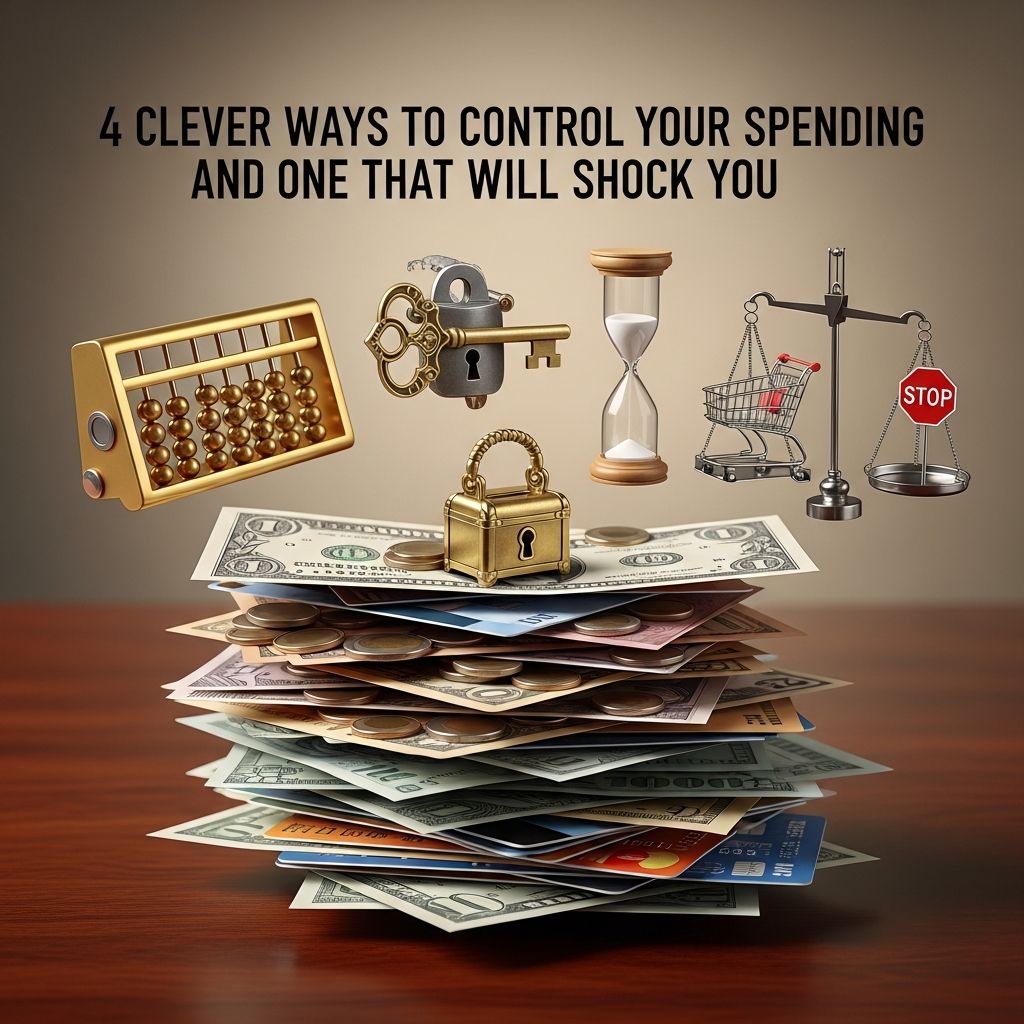
If your spending is spiraling out of control, extreme measures might be the key to turning things around. While mild tactics like staying home or light couponing help, drawing from behavior modification fields offers powerful tools—including apps and techniques—to zap unnecessary expenses dramatically.
These methods build momentum, much like juice fasts or boot camps kickstart fitness changes. Once you start, sustaining healthier financial habits becomes easier, leading to debt freedom and savings growth.
1. Freeze Your Credit Cards (Literally)
For a straightforward yet effective barrier to impulse buys, freeze your credit cards in a block of ice. This physical act creates a mandatory cooling-off period, forcing you to thaw them before use—often enough time to reconsider the purchase.
This technique disrupts autopilot spending. By the time the ice melts (which could take hours or days depending on the block size), the urge typically passes. It’s a low-tech reminder that not every desire needs immediate gratification.
Complement this with other mindful practices, like writing down every expense. Tracking even small amounts—like $0.99 songs or $4.78 cupcakes—creates mental space to evaluate needs versus wants.
2. Try the 5:2 Spending Diet
Inspired by the 5:2 intermittent fasting diet—where you eat normally five days and restrict calories two non-consecutive days—apply the same to finances. Spend reasonably on five days, but enforce strict limits on two ‘fast’ days.
Logically, two restricted days seem minor, but psychologically, it’s transformative. It counters fears of permanent deprivation by framing cutbacks as temporary. Tell yourself, “I can have it tomorrow,” which often leads to reevaluation and skipping the buy altogether.
Practical examples abound: Pack lunches instead of buying out two days a week, or use public transit over taxis for appointments. Notice savings accumulating—skipping a $12 lunch twice weekly saves $1,248 yearly. These small wins build confidence for broader changes with minimal pain.
| Day Type | Spending Rule | Example Adjustments | Potential Weekly Savings |
|---|---|---|---|
| 5 Normal Days | Reasonable, budgeted spending | Buy lunch out if planned | $0 (as budgeted) |
| 2 Fast Days | Strict essentials only | Pack sandwich, walk/bike | $24+ (lunch + taxi) |
This table illustrates the 5:2 impact: Over a year, fast days could yield over $1,200 in savings, fostering habit change.
3. Make a Public Commitment Contract
Leverage social accountability by publicizing your spending goals. Apps like StickK let you create commitment contracts: Set a goal (e.g., no non-essential spending for 30 days), stakes (financial penalty for failure), and referees for verification.
Share with friends and followers for support. The fear of public failure and losing money motivates adherence. Studies in behavioral economics show public commitments boost success rates significantly, as social pressure reinforces discipline.
- Choose goal: e.g., Reduce dining out by 80%.
- Set stakes: Donate $100 to a cause you dislike if failed.
- Select referee: Friend or app verifier.
- Track progress publicly for cheers and accountability.
This mirrors habit formation in other areas, turning abstract goals into concrete, witnessed promises.
4. Track Every Penny Mindfully
While not extreme, meticulous tracking amplifies other methods. Log every transaction immediately—cash, card, app. This eye-opening practice reveals leaks: subscriptions, coffee runs, micro-transactions.
Disrupt mindless habits by pausing to record. For instance, pre-load gift cards for online shops like Amazon to avoid one-click buys with saved card info. The extra step curbs impulse.
Automate transfers post-paycheck to savings, leaving only bill money in checking. Assign every dollar a job, eliminating ‘flush’ feelings that trigger splurges. Wait for needs lists before shopping to dodge impulse adds for free shipping.
5. The Shocking Pavlok Shock Bracelet (The One That Will Shock You)
For the bold, the Pavlok wristband delivers electric shocks for bad habits. Pair it with a spending app: Zap yourself for unauthorized swipes. Inspired by aversion therapy, it’s cruel but effective for rewiring neural pathways tied to spending triggers.
Users report dramatic results, though it’s not for everyone. If total fasts appeal more, commit to no non-essentials for a week, month, or year. One writer tackled debt via a year-long fast, proving short bursts build lasting habits.
These extremes kickstart momentum. Like fitness boot camps, initial intensity eases into routine, paving the way for financial health—even if shocks are involved.
Frequently Asked Questions (FAQs)
What is a spending fast?
A spending fast involves halting non-essential purchases for a set period, like a week or year, to reset habits and tackle debt.
Is the 5:2 spending diet effective long-term?
Yes, it builds psychological resilience by proving temporary cutbacks are manageable, often leading to permanent reductions.
How does StickK enforce commitments?
Through financial stakes and public sharing; failure means donating money, with referees verifying success.
Does freezing cards really work?
Absolutely—the thawing delay provides thinking time, preventing many impulses.
Is the Pavlok safe for spending control?
It’s a mild shock like a static zap, designed for habit breaking, but consult a doctor for health concerns.
Additional Tips for Lasting Change
Combine methods: Freeze cards during fast days, track publicly via StickK. Change contexts for triggers—switch happy hour spots to stall habits. Embrace frugality proactively: Seek win-win deals maximizing value at lower cost.
Include windfalls (raises, refunds) in savings to boost progress without lifestyle pain. U.S. Bank notes structured budgets like zero-based amplify these tactics.
Mindless spending is a breakable habit. With these tools, regain control without total deprivation.
References
- 4 Clever Ways to Control Your Spending — and One That Will Shock You! — Wise Bread. 2015-approx. https://www.wisebread.com/4-clever-ways-to-control-your-spending-and-one-that-will-shock-you
- 5 Ways to Stop Your Mindless Spending — Wise Bread. 2015-approx. https://www.wisebread.com/5-ways-to-stop-your-mindless-spending
- 30 Steps to Financial Wellness – Step 22: Identify Ways to Reduce Spending — CommunityAmerica Credit Union. 2021-04-22. https://www.communityamerica.com/blog/2021/04/22/30-steps-to-financial-wellness
- 7 Habits of Highly Frugal People — IHT Wealth Management. 2023-approx (authoritative on frugality principles). https://www.ihtwealthmanagement.com/7-habits-of-highly-frugal-people/
- 4 Types of Budgets and How to Use Them — U.S. Bank. 2025-approx (recent financial guidance). https://www.usbank.com/financialiq/manage-your-household/personal-finance/types-of-budgets.html
Similar Articles








Read full bio of medha deb