360-Degree Feedback: Complete Guide to Multi-Rater Assessments
Master 360-degree feedback: Learn how multi-rater assessments drive employee development and organizational growth.

What Is 360-Degree Feedback?
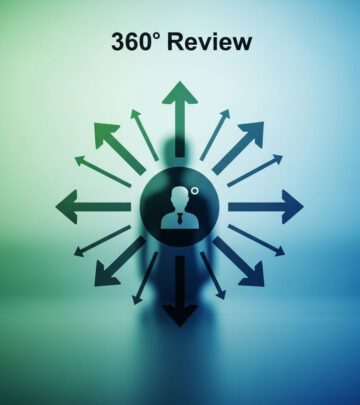
360-degree feedback, also known as multi-rater feedback or multi-source assessment, is a comprehensive performance evaluation process that gathers confidential, anonymous input from multiple perspectives around an employee. Unlike traditional top-down performance appraisals delivered solely by supervisors, 360-degree feedback incorporates evaluations from an employee’s manager, peers, direct reports, and the employee’s own self-assessment. In some cases, external stakeholders such as customers, clients, and vendors may also contribute feedback, creating what is sometimes referred to as 720-degree feedback.
This evaluation method has evolved from being primarily used for executives and managers to becoming increasingly popular across all organizational levels as companies recognize its value in creating a holistic view of employee performance. The anonymity and confidentiality of the process help ensure honest, constructive feedback that encourages genuine professional development and organizational improvement.
Understanding the Purpose and Scope
Organizations utilize 360-degree feedback for two primary purposes: developmental and evaluative. In developmental contexts, the feedback serves as a foundation for individual growth and skill enhancement. When used for performance evaluation, it may inform administrative decisions such as promotion eligibility and compensation adjustments. However, the use of 360-degree feedback in evaluation remains somewhat controversial due to concerns about subjectivity and fairness among feedback providers.
The scope of 360-degree feedback typically encompasses key workplace competencies and behavioral areas, including:
– Communication and interpersonal skills- Collaboration and teamwork effectiveness- Leadership and management capabilities- Innovation and creative problem-solving- Alignment with organizational culture and values- Accountability and professional responsibility
The Mechanics of 360-Degree Feedback
Survey Structure and Administration
A typical 360-degree feedback process involves approximately eight to twelve raters who complete confidential online questionnaires. The survey employs rating scales to measure various competencies and includes sections for written comments, allowing raters to provide specific, qualitative feedback. The employee being evaluated completes the same questionnaire as a self-assessment, creating an opportunity for comparison between self-perception and how others view their performance.
The system automatically compiles individual responses by rater category—such as managers, peers, and direct reports—to maintain anonymity while providing the recipient with a clear picture of their greatest strengths and areas for development. This aggregation method protects individual raters from identification while delivering meaningful insights.
Key Competencies Measured
360-degree assessments focus on subjective workplace behaviors and competencies that reflect how others perceive a colleague’s effectiveness. These evaluations measure perceptions regarding teamwork, character, communication quality, and leadership effectiveness rather than concrete deliverables. This focus on behavioral and interpersonal dimensions provides valuable development opportunities centered on areas employees can actively improve.
The 360-Degree Feedback Implementation Process
Step 1: Define the Purpose
Before launching a 360-degree feedback initiative, organizations must clearly articulate the program’s objectives. Whether the goal is developmental, evaluative, or both will significantly influence subsequent process design, rater selection, and questionnaire content. This foundational step ensures alignment across all stakeholders and sets appropriate expectations.
Step 2: Select Raters
Identifying the right raters is crucial for obtaining relevant and meaningful feedback. Selection typically includes direct supervisors, peer colleagues, direct reports, and in some cases, external stakeholders. The quality of feedback depends significantly on selecting raters who have substantial working relationships with the employee and can provide informed observations about their performance and behavior.
Step 3: Design the Questionnaire
Developing a comprehensive and effective questionnaire may require several weeks of careful planning and refinement. The questionnaire should align with organizational competencies and values, ask clear questions that raters can confidently answer, and include both quantitative rating scales and qualitative comment sections. Well-designed questions focus on observable behaviors rather than personal characteristics, ensuring feedback remains objective and actionable.
Step 4: Communicate the Process
Clear, consistent communication with all stakeholders is essential for successful implementation. Communication should explain the purpose of the 360-degree feedback, describe how the process works, clarify how feedback will be gathered and analyzed, and specify how results will be used. Depending on organizational size and preference, this communication may occur through in-person meetings, email, webinars, or a combination of methods and typically requires one to three weeks.
Step 5: Administer the Assessment
Online administration platforms facilitate efficient data collection and ensure confidentiality. Raters typically have a designated timeframe—often two to four weeks—to complete the surveys. Reminders and clear deadline communication help maximize participation rates, which are critical for the validity and usefulness of the feedback.
Step 6: Analyze and Report Results
Modern systems quickly compile data into comprehensive reports that present results in accessible formats. The analysis phase typically takes one to two days when using online systems, producing detailed visualizations of feedback trends, comparative insights, and identified strengths and development areas. Reports should be formatted to help feedback recipients easily understand patterns and insights.
Step 7: Conduct Feedback Sessions
Individual meetings between the feedback recipient and a designated facilitator—such as an HR representative, executive coach, or supervisor—provide opportunity to discuss results in depth. These sessions typically last one to two hours and involve reviewing the feedback report, discussing insights, identifying patterns, and exploring the implications. The facilitator helps the recipient interpret feedback constructively and prevents defensive reactions.
Step 8: Develop and Implement Action Plans
The feedback obtained from 360-degree assessment becomes the foundation for creating actionable development plans. These plans identify specific areas for improvement, set realistic goals, determine development strategies, and allocate necessary resources. Strategies may include training programs, workshops, conferences, executive coaching, mentoring relationships, or self-directed learning. The development plan creation typically requires one to two weeks and represents the core essence of the 360-degree feedback process.
Timeline Considerations
A complete 360-degree feedback cycle typically spans several months. Initial planning and questionnaire design may require two to four weeks, followed by stakeholder communication lasting one to three weeks. The actual survey administration period generally takes two to four weeks, with report generation occurring within one to two days. Feedback sessions and action plan development collectively require another one to two weeks. For ongoing success, organizations should establish 360-degree feedback as a recurring annual process rather than a one-time event, with re-evaluations scheduled eight to twelve months after initial assessments.
Benefits of 360-Degree Feedback
Comprehensive Insight
By incorporating feedback from multiple perspectives, 360-degree assessment provides a holistic view of employee performance that single-source evaluations cannot achieve. This comprehensive insight reveals patterns and consistencies in how an individual is perceived across different relationships and contexts, offering a more complete picture than isolated supervisor observations.
Enhanced Self-Awareness
Receiving feedback from multiple sources helps employees develop greater self-awareness regarding their strengths, blind spots, and areas for development. Comparing self-perception with others’ observations often highlights discrepancies that motivate genuine professional growth and behavioral adjustment.
Effective Development Tool
360-degree feedback serves as a powerful tool for employee development, particularly for leaders and managers seeking to improve their effectiveness. The structured feedback process and subsequent action planning create a framework for meaningful skill enhancement and professional advancement.
Increased Accountability and Ownership
When employees understand how their behavior affects their colleagues, they develop greater ownership of their development needs. The feedback process fosters accountability by connecting observations from multiple perspectives to specific behavioral expectations and organizational goals.
Improved Organizational Performance
Organizations that effectively implement 360-degree feedback programs often experience better overall work performance, leading to higher customer satisfaction and competitive advantage. As individuals develop stronger interpersonal skills and leadership capabilities, team dynamics and organizational effectiveness improve accordingly.
Challenges and Considerations
Subjectivity and Bias
360-degree feedback measures subjective perceptions and workplace behaviors, which may be influenced by personal biases, interpersonal dynamics, or limited context. Feedback providers may assess situations based on incomplete information or personal preferences rather than objective standards.
Fairness Concerns
The use of 360-degree feedback in administrative decisions remains controversial due to concerns about fairness. Aggregated feedback may mask individual outlier opinions or may be influenced by personality conflicts or favoritism among raters.
Implementation Requirements
Successful 360-degree feedback demands substantial commitment to clear communication, confidentiality protection, and employee trust. Without proper organizational support and genuine commitment to development-focused follow-up, employees may view the process skeptically.
Response Rate Challenges
For 360-degree feedback to be effective, participation must be comprehensive across all rater categories. Low response rates or participation only from certain groups compromises the validity and usefulness of the feedback.
Best Practices for Effective Implementation
Establish Clear Communication
Communicate the purpose, process, and expected outcomes to all stakeholders before implementation begins. Clear guidelines regarding how feedback will be collected, analyzed, and used help build trust and encourage honest participation.
Ensure Confidentiality and Anonymity
Protecting rater identity is essential for obtaining honest feedback. When employees trust that their comments remain confidential, they provide more candid and constructive observations.
Focus on Behavior and Actions
Design questionnaires that focus on observable behaviors and actions rather than personal characteristics or traits. This approach ensures feedback remains objective, fair, and within the employee’s control to modify.
Gain Stakeholder Buy-In
Engagement of relevant stakeholders, including senior decision-makers, ensures organizational support and participation throughout the process. When leadership demonstrates commitment to 360-degree feedback, employees take the initiative more seriously.
Define Success Metrics
Establish clear criteria for measuring program success, such as survey completion rates within specified timeframes, completion of development plans, or observable behavioral improvements. These metrics help track the program’s effectiveness and justify continued investment.
Build a Feedback Culture
Creating a supportive, non-judgmental organizational environment that values continuous feedback fosters positive reception of 360-degree assessments. When feedback is viewed as an opportunity for growth rather than criticism, employees engage more authentically in the process.
Establish Accountability Mechanisms
Create follow-up structures that hold recipients accountable for their development plans through regular check-ins with managers or coaches. Connecting desired behavioral changes to bonuses or other incentives can help overcome resistance and ensure commitment to improvement.
Comparison of Feedback Sources
| Feedback Source | Perspective Provided | Key Insights |
|---|---|---|
| Manager/Supervisor | Top-down evaluation of performance and alignment with organizational goals | Overall performance, goal achievement, strategic alignment |
| Peers/Colleagues | Lateral perspective on teamwork and collaboration | Communication, cooperation, interpersonal effectiveness |
| Direct Reports | Bottom-up perspective on leadership and management style | Leadership effectiveness, support, clarity, motivation |
| Self-Assessment | Internal self-perception and awareness | Self-awareness level, blind spots when compared to others |
| External Sources (optional) | Outside perspective from customers, vendors, or clients | External relationship management, customer service quality |
Frequently Asked Questions
Q: What is the primary difference between 360-degree feedback and traditional performance appraisals?
A: Traditional performance appraisals typically involve downward feedback from supervisors to employees, while 360-degree feedback gathers input from multiple directions—managers, peers, direct reports, and the employee themselves—creating a more comprehensive and balanced perspective on performance.
Q: How many raters are typically involved in a 360-degree feedback process?
A: Most 360-degree feedback processes involve approximately eight to twelve raters representing different relationship categories, though the exact number may vary based on organizational structure and the employee’s role.
Q: Is 360-degree feedback only for managers and executives?
A: While 360-degree feedback has traditionally been used for leadership development, it is increasingly being applied to all employee levels as organizations recognize its value as a comprehensive employee development tool.
Q: How is anonymity maintained in the 360-degree feedback process?
A: Individual responses are aggregated by rater category (manager, peer, direct report) rather than presented individually, protecting rater identity while providing meaningful feedback patterns to the recipient.
Q: How often should organizations conduct 360-degree feedback cycles?
A: Organizations should establish 360-degree feedback as an annual recurring process rather than a one-time event, with re-evaluations typically scheduled eight to twelve months after initial assessments to track progress on development goals.
Q: Can 360-degree feedback be used for performance evaluation and promotion decisions?
A: Yes, organizations increasingly use 360-degree feedback for administrative decisions including performance evaluation and promotion; however, this use remains somewhat controversial due to concerns about subjectivity and fairness in the feedback process.
Q: What should employees do after receiving 360-degree feedback?
A: After receiving feedback, employees should work with a facilitator to develop a comprehensive action plan identifying specific areas for improvement, setting realistic goals, and determining development strategies such as training, coaching, or mentoring.
References
- 360-degree feedback — Wikipedia. https://en.wikipedia.org/wiki/360-degree_feedback
- What is 360 Degree Feedback? — CustomInsight. https://www.custominsight.com/360-degree-feedback/what-is-360-degree-feedback.asp
- An 8-Step 360 Degree Feedback Process Timeline — Explorance. https://www.explorance.com/blog/8-step-360-degree-feedback-process-timeline
- 360 Degree Feedback: A Comprehensive Guide — AIHR. https://www.aihr.com/blog/360-degree-feedback/
Similar Articles








Read full bio of Sneha Tete