35 Delicious Frugal Meals Anyone Can Make
Discover 35 budget-friendly breakfast, lunch, dinner, and snack ideas that save money while still being simple, filling, and tasty.
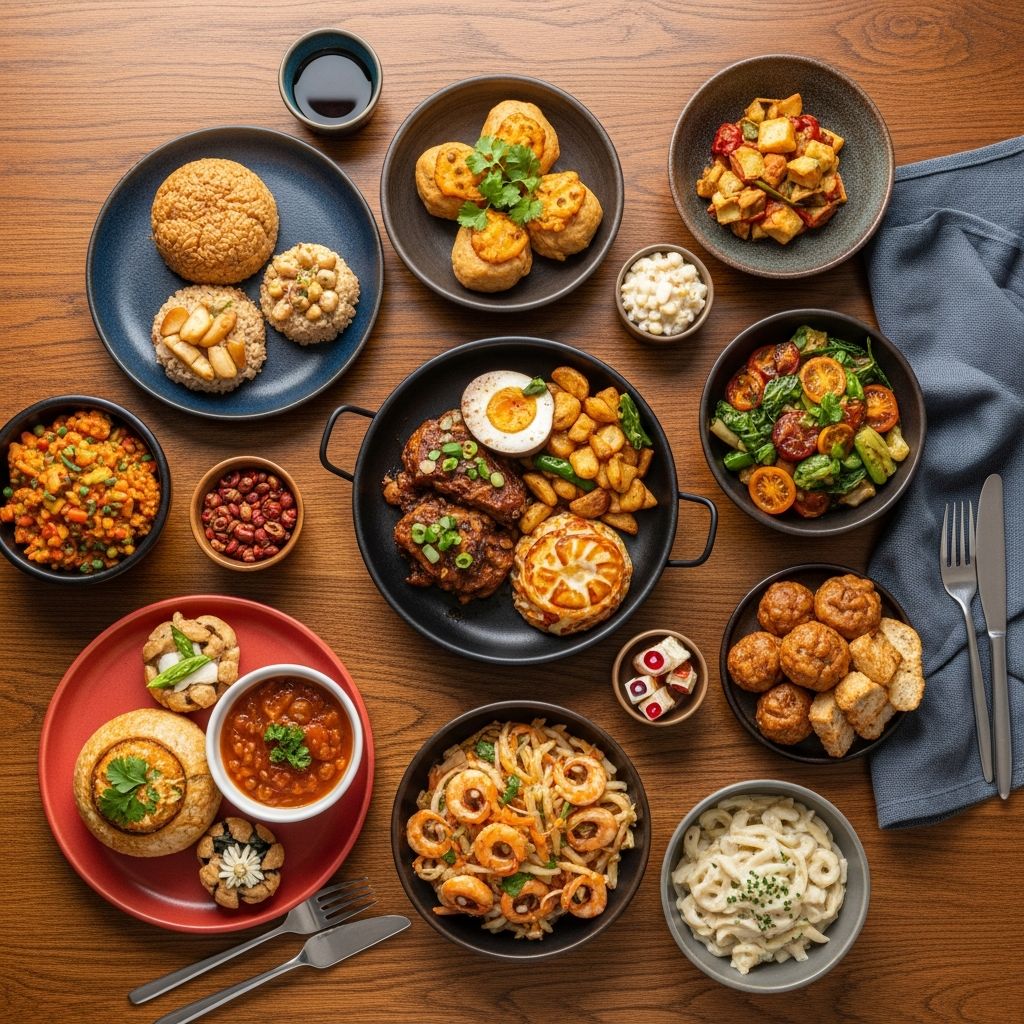
Cutting your grocery bill does not have to mean eating bland food or spending hours in the kitchen. With a bit of planning and some simple recipes, you can enjoy frugal meals that are filling, nutritious, and surprisingly delicious. Home-cooked meals are consistently cheaper than restaurant food or takeout, especially when you focus on staple ingredients like grains, legumes, seasonal produce, and lower-cost proteins such as eggs and beans.
This guide walks you through 35 frugal meal ideas broken down by breakfast, lunch, dinner, and snacks. You will also find quick tips to stretch ingredients, reduce food waste, and plan your meals so you can keep more money in your pocket while still loving what is on your plate.
Why frugal meals matter for your budget
Food is one of the most flexible areas of a household budget. Studies in the United States show that food at home is significantly cheaper per calorie and per meal than food away from home, such as restaurants and takeout. By prioritizing simple, low-cost meals made from basic ingredients, it becomes easier to:
- Lower your monthly spending without changing your income.
- Control portions and ingredients for better health.
- Use what you already have in your pantry and freezer.
- Reduce food waste by planning intentionally around leftovers.
Frugal eating is not about deprivation; it is about being strategic. Focus on meals that use inexpensive staples, use overlapping ingredients, and are easy enough to cook on busy days.
Core strategies for eating frugally
Before diving into specific recipes, it helps to understand a few simple strategies used throughout these meal ideas:
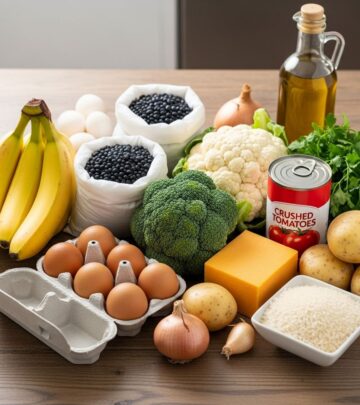
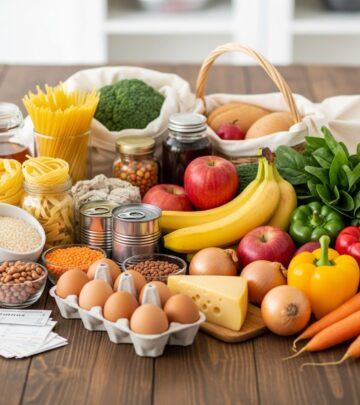
- Build meals around cheap staples: rice, pasta, oats, potatoes, dry beans, lentils, eggs, frozen vegetables, and in-season produce.
- Cook in batches: making big pots of soup, chili, or casseroles reduces time and energy use per portion.
- Reuse ingredients: cooked chicken can become tacos, pasta, or fried rice; leftover roasted vegetables can top salads, grain bowls, or pizzas.
- Limit ultra-processed convenience foods: they are usually more expensive per serving than cooking from basic ingredients.
- Plan around sales and seasons: seasonal fruits and vegetables are generally cheaper and more flavorful.
| Strategy | How it saves money | Example meal |
|---|---|---|
| Cook in bulk | Reduces energy use and time per serving | Big pot of lentil soup for several lunches |
| Use cheap staples | Lower cost per calorie and per gram of protein | Beans and rice with vegetables |
| Repurpose leftovers | Prevents throwing away food you already paid for | Roast chicken → chicken salad wraps |
| Buy in-season produce | Seasonal items usually have lower prices | Summer vegetable pasta with zucchini and tomatoes |
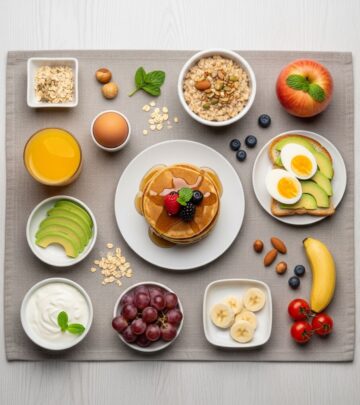
Frugal breakfast ideas
Breakfast does not have to be fancy to be satisfying. These options are fast, customizable, and built on affordable staples like oats, eggs, and bread.
1. Oatmeal four ways
Oats are one of the most cost-effective breakfast foods and provide fiber that helps keep you full. You can cook them on the stovetop, in the microwave, or overnight in the fridge.
- Classic cinnamon oatmeal: rolled oats, water or milk, cinnamon, and a bit of sugar or honey.
- Peanut butter banana oats: stir in peanut butter and top with sliced banana.
- Apple cinnamon oats: add chopped apples and a pinch of nutmeg.
- Savory oats: cook with a pinch of salt and top with a fried egg and leftover vegetables.
Frugal tip: Buy oats in bulk and flavor them yourself instead of purchasing single-serving packets.
2. Eggs and toast
Eggs provide high-quality protein at a low cost per serving. Toast adds inexpensive carbohydrates to round out the meal.
- Scramble eggs with a bit of onion or leftover vegetables.
- Serve with buttered toast or toast topped with a thin spread of peanut butter.
- Add a piece of fruit if your budget allows.
3. Yogurt parfaits on a budget
Instead of buying individual yogurt cups, purchase a large tub of plain or vanilla yogurt and portion it yourself.
- Layer yogurt with leftover fruit, frozen berries, or a spoonful of jam.
- Sprinkle with oats, homemade granola, or a handful of nuts.
- Use reusable containers to prep several days at once.
4. Breakfast burritos
Breakfast burritos are a great way to use leftover potatoes, beans, or veggies.
- Scramble eggs with black beans, onions, or peppers.
- Wrap in tortillas with a little cheese or salsa.
- Freeze individually for quick grab-and-go meals.
5. Simple pancakes or waffles
Pancakes made from scratch require only flour, baking powder, milk, and an egg.
- Make a basic batter and cook in a skillet or waffle iron.
- Serve with butter and a small amount of syrup, jam, or fruit.
- Double the batch and freeze extras for busy mornings.
Frugal lunch ideas
Lunch is often where people spend on convenience foods or takeout. Packing simple, frugal lunches can significantly cut your monthly expenses while still giving you something satisfying in the middle of the day.
6. Bean and cheese quesadillas
Quesadillas are quick, filling, and great for using up leftovers.
- Spread refried or cooked beans on a tortilla.
- Sprinkle on cheese and any leftover vegetables or meat.
- Fold and cook in a pan until the tortilla is crispy.
7. Rice and veggie bowls
Rice bowls are a flexible way to use whatever you have on hand.
- Start with a base of cooked rice or another grain.
- Top with frozen or fresh vegetables and a small amount of protein like beans, eggs, or leftover chicken.
- Add a simple sauce: soy sauce, vinaigrette, or a spoonful of salsa.
8. Lentil or bean soup
Dry beans and lentils are among the cheapest protein sources available and can be turned into hearty soups.
- Combine lentils or beans with onions, carrots, and canned tomatoes.
- Simmer with broth or water until tender.
- Season with basic spices like garlic, cumin, or Italian herbs.
9. Classic pasta salad
Pasta salad works well for meal prep and tastes good chilled or at room temperature.
- Cook pasta and rinse with cool water.
- Add chopped vegetables (like cucumbers, tomatoes, peppers) and beans or cheese.
- Toss with a simple oil-and-vinegar dressing.
10. Tuna, egg, or chickpea salad sandwiches
Protein salads can be made with pantry staples and used in sandwiches, wraps, or on crackers.
- Tuna salad: canned tuna, a little mayonnaise or yogurt, mustard, and relish or diced pickles.
- Egg salad: chopped boiled eggs with mayonnaise, mustard, and salt.
- Chickpea salad: mashed chickpeas with lemon juice, oil, and herbs.
Frugal dinner ideas
Dinner is often the most expensive meal when eaten out. Cooking dinner at home with low-cost ingredients can make a major difference in your monthly spending. Many of these dinners can be doubled so you have leftovers for lunch.
11. Spaghetti with simple tomato sauce
Pasta is a classic frugal staple. A basic tomato sauce can be made from canned tomatoes, onions, and garlic.
- Cook spaghetti or other pasta.
- Sauté onions and garlic, then add canned tomatoes and seasoning.
- Top with a small amount of cheese if desired.
12. Rice and beans
Rice and beans together form a complete protein and are a cornerstone of low-cost eating in many cultures.
- Cook rice and season with salt or bouillon.
- Simmer beans with onion, garlic, and spices like cumin or paprika.
- Serve with a side of greens or any vegetables you have.
13. One-pot chili
Chili is a flexible, filling meal that works with meat or fully vegetarian.
- Combine beans, canned tomatoes, onions, and chili powder.
- Add ground meat if your budget allows, or extra beans for a meatless version.
- Simmer and serve with rice, cornbread, or tortilla chips.
14. Baked potatoes with toppings
Potatoes are inexpensive and versatile. Baking several at once creates an easy base for different toppings throughout the week.
- Bake whole potatoes until tender.
- Top with butter, cheese, beans, leftover chili, or vegetables.
- Use sweet potatoes for a slightly different flavor and extra nutrients.
15. Simple stir-fry
Stir-fries are a great way to stretch a small amount of meat and use inexpensive vegetables.
- Cook rice or noodles as a base.
- Sauté a mix of fresh or frozen vegetables.
- Add a small amount of meat, tofu, or eggs and season with soy sauce or garlic.
16. Homemade vegetable soup
Vegetable soup is perfect for using wilted or leftover produce.
- Combine mixed vegetables with broth or water and canned tomatoes.
- Add beans, barley, or rice for extra bulk.
- Season with herbs and simmer until everything is tender.
17. Sheet pan chicken and vegetables
Sheet pan dinners reduce cleanup and use simple ingredients.
- Toss chicken pieces and chopped vegetables with oil and seasoning.
- Roast on a baking sheet until cooked through.
- Serve with rice, bread, or potatoes.
18. DIY pizza night
Making pizza at home costs far less than delivery and can be a fun family activity.
- Use homemade dough, store-bought dough, or flatbreads as the base.
- Top with tomato sauce, cheese, and whatever vegetables or meats you have.
- Bake until the crust is crisp and cheese is melted.
19. Tuna or salmon pasta
Canned fish is usually cheaper than fresh and still provides beneficial omega-3 fats.
- Cook pasta and drain.
- Mix canned tuna or salmon with a light cream or tomato sauce.
- Add peas, corn, or spinach for extra fiber and color.
20. Simple casseroles
Casseroles can combine starch, protein, and vegetables in one dish.
- Combine cooked rice or pasta with a sauce, vegetables, and a small amount of meat or beans.
- Top with a bit of cheese or breadcrumbs.
- Bake until bubbly and heated through.
Frugal snack and side ideas
Snacks are easy places for costs to creep up if you rely on individually packaged items. These options use simple ingredients that can be portioned at home.
21. Popcorn from kernels
Buying popcorn kernels and popping them at home is far cheaper than microwave bags or pre-popped snacks.
- Pop kernels on the stovetop or in an air popper.
- Season with a little oil, salt, or nutritional yeast.
22. Carrots, celery, and hummus
Fresh vegetables with a protein-rich dip make a simple, healthy snack.
- Slice carrots and celery into sticks.
- Serve with hummus made from canned chickpeas, lemon juice, and oil.
23. Peanut butter and fruit
Pairing fruit with peanut butter adds protein and healthy fats, helping you stay full longer.
- Spread peanut butter on apple or banana slices.
- Use store brands and large containers to save money.
24. Homemade muffins
Muffins made at home can be cheaper and lower in sugar than store-bought versions.
- Use basic batter and add mashed banana, grated carrot, or leftover fruit.
- Freeze extras to prevent waste.
25. Simple salads
Salads do not have to be elaborate or expensive.
- Combine lettuce or cabbage with shredded carrots, cucumbers, or tomatoes.
- Top with beans, boiled eggs, or a small amount of cheese.
- Dress with oil, vinegar, and simple seasonings.
More frugal meal ideas by category
To reach 35 meals, here are additional ideas across breakfast, lunch, dinner, and snacks that follow the same frugal principles:
- 26. Overnight oats with milk, seeds, and fruit scraps.
- 27. French toast using slightly stale bread.
- 28. Veggie omelet with leftover cooked vegetables.
- 29. Baked egg muffins using eggs, vegetables, and a bit of cheese.
- 30. Leftover fried rice with day-old rice, vegetables, and scrambled egg.
- 31. Simple ramen upgrade adding vegetables, egg, or leftover meat to basic noodles.
- 32. Black bean tacos using seasoned beans, tortillas, and whatever toppings you have.
- 33. Simple curry made from chickpeas or lentils, canned tomatoes, and spices, served over rice.
- 34. Stuffed peppers with rice, beans, and a bit of tomato sauce.
- 35. Banana “nice” cream made from frozen bananas blended with a splash of milk as a frugal dessert or treat.
How to plan frugal meals for the week
To get the most benefit from these ideas, spend a few minutes each week planning. Meal planning has been associated with improved dietary quality and reduced impulse food spending.
- Check your pantry and fridge first: plan meals around what you already have.
- Choose 3–5 core recipes: repeat them throughout the week to simplify shopping.
- Cook once, eat twice: intentionally make extra for leftovers.
- Prep components: cook a pot of rice, wash and chop vegetables, or boil eggs in advance.
- Be flexible: swap similar ingredients based on sales and availability.
Frequently Asked Questions (FAQs)
Q: What are the cheapest ingredients to build frugal meals around?
A: Some of the most budget-friendly staples are dry beans, lentils, rice, oats, pasta, potatoes, eggs, frozen vegetables, and in-season produce. These foods offer a high amount of calories and nutrients per dollar and can be combined in many different ways.
Q: How can I eat frugally without sacrificing nutrition?
A: Focus on whole foods like beans, whole grains, vegetables, fruits, and modest amounts of animal protein. Planning meals at home increases control over ingredients and can make healthy eating more affordable than relying on restaurant meals or highly processed convenience foods.
Q: Is it more expensive to cook for one person?
A: Cooking for one can feel more expensive if food is wasted, but planning simple recipes, freezing extra portions, and reusing ingredients across meals can keep costs low. Buying staples in reasonable quantities and focusing on meals that freeze well—like soups and casseroles—helps avoid waste.
Q: How much can I realistically save by making frugal meals?
A: The exact amount varies, but replacing restaurant meals with home-cooked food usually results in substantial savings because food at home costs significantly less per serving than food away from home. Even swapping a few takeout meals each week for frugal dinners can add up to meaningful monthly savings.
Q: Do I need special equipment to cook frugal meals?
A: No. Most frugal recipes can be made with basic tools: a pot, a pan, a baking dish, a cutting board, a knife, and a baking sheet. Optional tools like a slow cooker or rice cooker can make bulk cooking easier but are not required.
References
- Meal planning and preparation: Implications for food expenditures, diet, and health — U.S. Department of Agriculture, Economic Research Service. 2017-05-01. https://www.ers.usda.gov/amber-waves/2017/april/meal-preparation-and-food-spending-implications-for-diet-and-health/
- Food Prices and Spending — U.S. Bureau of Labor Statistics. 2024-05-01. https://www.bls.gov/spotlight/2024/food-prices-and-spending/home.htm
- Dietary Guidelines for Americans, 2020–2025 — U.S. Department of Agriculture & U.S. Department of Health and Human Services. 2020-12-01. https://www.dietaryguidelines.gov/sites/default/files/2021-03/Dietary_Guidelines_for_Americans-2020-2025.pdf
- Eggs: Cost-effective nutrition — Egg Nutrition Center. 2022-03-01. https://www.eggnutritioncenter.org/articles/eggs-are-a-cost-effective-source-of-nutrition/
Similar Articles








Read full bio of Sneha Tete