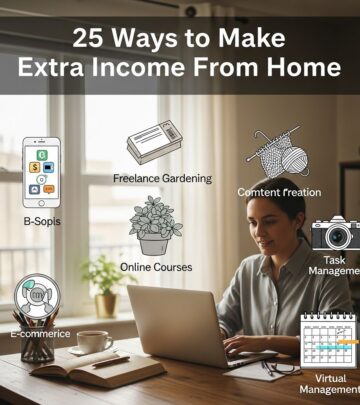
30 Best Work From Home Jobs To Boost Your Income
Discover flexible, legitimate work from home jobs plus tips to choose the right role, avoid scams, and grow your income confidently.

Earning a solid income no longer requires a long commute, a cubicle, or a strict 9–5 schedule. Remote work, freelancing, and digital side hustles make it possible to earn money from home while designing a lifestyle that fits your goals and responsibilities.
This guide walks through 30 of the best work from home jobs, what they involve, potential income ranges, and key skills you need. You will also learn how to choose the right job for your situation, how to avoid work-from-home scams, and answers to common questions about working remotely.
Why Work From Home Jobs Are So Popular
Remote and hybrid work expanded significantly after the COVID-19 pandemic, as more companies adopted flexible policies and digital tools to support off-site employees. Surveys from major employers and research organizations show that flexibility, reduced commute time, and improved work-life balance are among the biggest reasons people seek work from home jobs.
- Flexibility: Many roles allow you to set your own hours or choose shifts that fit your family and personal life.
- Reduced expenses: Working from home can cut commuting, parking, and some childcare and work wardrobe costs.
- Broader opportunities: You can apply for jobs with companies anywhere in your country—sometimes worldwide.
- Room for side hustles: You can combine a primary job with freelance or part-time work to increase your income.
30 Best Work From Home Jobs
The jobs below are grouped loosely by type: service-based, creative and content, technical and professional, and product-based or entrepreneurial roles. Income ranges are approximate and can vary widely by country, experience, and industry.
1. Virtual Assistant
What you do: Virtual assistants (VAs) provide remote administrative support such as email management, scheduling, simple bookkeeping, travel planning, and basic project coordination for entrepreneurs, freelancers, or companies.
- Typical tasks: inbox triage, calendar management, spreadsheet updates, customer responses, document formatting.
- Helpful skills: organization, attention to detail, communication, basic tech literacy.
| Experience level | Typical hourly range* |
|---|---|
| Beginner | $15–$25 |
| Experienced / specialized | $25–$50+ |
*Ranges compiled from large U.S. salary aggregators and industry reports.
2. Freelance Writer
What you do: Freelance writers create blog posts, website copy, email newsletters, scripts, and other content for businesses, nonprofits, or media outlets.
- Great niche options: personal finance, technology, parenting, health, education.
- Helpful skills: strong writing, research, SEO basics, meeting deadlines.
Freelance writing can start as a side hustle and grow into a full-time business as you build a portfolio and repeat clients.
3. Social Media Manager
What you do: Social media managers plan, create, and schedule posts; respond to comments; and track performance across platforms like Instagram, TikTok, Facebook, LinkedIn, and Pinterest.
- Typical clients: small businesses, personal brands, nonprofits, online shops.
- Helpful skills: content planning, copywriting, basic design, analytics.
4. Online Tutor
What you do: Online tutors teach students over video in subjects like math, science, languages, test prep, or music. Demand is strong for STEM, second languages, and exam preparation.
- Options: independent tutoring, online tutoring platforms, or working for virtual schools.
- Helpful skills: subject expertise, patience, communication, ability to explain concepts clearly.
5. Online Course Creator
What you do: Use your expertise to design pre-recorded or live online courses and sell them to individuals or organizations. Topics can range from coding or marketing to art, crafts, or personal development.
- Income model: one-time course purchases, memberships, or bundled programs.
- Helpful skills: teaching, curriculum design, video recording, marketing.
6. Remote Customer Service Representative
What you do: Customer service representatives handle inquiries by phone, chat, or email for banks, retailers, tech companies, and more. Many large employers now hire remote agents.
- Helpful skills: problem solving, clear communication, patience, conflict resolution.
- Requirements: quiet workspace, reliable internet, sometimes set shifts.
7. Data Entry Specialist
What you do: Data entry roles involve entering, updating, and verifying information in databases and spreadsheets.
- Helpful skills: accuracy, speed, basic spreadsheet knowledge, confidentiality.
- Best for: beginners wanting simple online work and a predictable routine.
8. Bookkeeper
What you do: Bookkeepers record financial transactions, reconcile accounts, and help prepare financial reports for small businesses and entrepreneurs.
- Helpful skills: basic accounting, comfort with bookkeeping software, accuracy.
- Certification: optional but can increase trust and earning potential.
9. Transcriptionist
What you do: Transcriptionists listen to audio or video and type what they hear, often for legal, medical, academic, or media clients.
- Helpful skills: fast typing, strong grammar, attention to detail, good hearing.
- Variants: general transcription, legal transcription, medical transcription.
10. Proofreader or Editor
What you do: Proofreaders correct grammar, spelling, punctuation, and formatting. Editors may also improve clarity, structure, and style for articles, reports, or books.
- Helpful skills: excellent grammar, style familiarity, focus, and tactful feedback.
- Good for: avid readers and writers with an eye for detail.
11. Graphic Designer
What you do: Graphic designers create logos, social media graphics, marketing materials, simple websites, and more.
- Helpful skills: design tools (e.g., Adobe Illustrator, Figma, Canva), visual communication, creativity.
- Portfolio: essential to show your style and capabilities.
12. Web Developer
What you do: Web developers build and maintain websites, landing pages, and web applications.
- Common skills: HTML, CSS, JavaScript, plus a framework or CMS like WordPress.
- Work types: freelancing, contract roles, or full-time remote employment.
13. Search Engine Optimization (SEO) Specialist
What you do: SEO specialists help websites rank higher in search engines by optimizing content, structure, and links.
- Tasks: keyword research, on-page optimization, technical audits, content strategy.
- Helpful skills: analytics tools, copywriting, understanding of search algorithms.
14. Digital Marketing Specialist
What you do: Digital marketers manage campaigns across email, search, social media, and display ads to increase traffic, leads, or sales.
- Focus areas: paid ads, email marketing, funnel strategy, analytics.
- Work options: agency roles, in-house positions, or freelancing.
15. Affiliate Marketer
What you do: Affiliate marketers promote products or services through blogs, social media, or email lists and earn a commission when someone buys through their unique link.
- Helpful assets: website or social channels, audience trust, content strategy.
- Income: typically builds slowly but can become semi-passive over time.
16. Blogger
What you do: Bloggers create written, audio, or video content around a specific topic—such as money, home organization, travel, or parenting—and monetize through ads, sponsorships, digital products, and affiliate marketing.
- Helpful skills: writing, SEO, content planning, basic design and tech.
- Timeline: usually a long-term project that grows as your audience grows.
17. Podcaster
What you do: Podcasters create audio shows, interview guests, or share education and stories with an audience, then monetize through sponsorships, ads, products, or memberships.
- Helpful skills: speaking, interviewing, audio editing, audience building.
- Start-up needs: microphone, recording software, simple editing setup.
18. YouTube or Video Content Creator
What you do: Video creators publish tutorials, reviews, vlogs, or educational content on platforms like YouTube or short-form video platforms and earn through ads, brand deals, and product sales.
- Helpful skills: video filming, editing, storytelling, on-camera presence.
- Consistency: posting regularly is key to channel growth.
19. Online Coach or Consultant
What you do: Coaches and consultants help clients achieve specific goals in areas like career, business, wellness, or personal finance through 1:1 calls, group programs, or workshops.
- Helpful skills: expertise in a specific area, listening, goal-setting, accountability.
- Income model: session packages, group programs, retainers.
20. Remote Project Manager
What you do: Project managers coordinate people, resources, and timelines to make sure projects finish on time and within budget.
- Typical industries: tech, marketing, operations, consulting.
- Helpful skills: organization, communication, risk management, tools like Trello or Asana.
21. Online Researcher or Market Research Assistant
What you do: Researchers gather and analyze information for companies, authors, consultants, or marketing teams.
- Tasks: competitive research, compiling statistics, summarizing studies, creating reports.
- Helpful skills: critical thinking, data organization, clear writing.
22. Remote Sales Representative
What you do: Remote salespeople connect with potential customers through email, phone, or video and sell products or services.
- Helpful skills: communication, resilience, product knowledge, negotiation.
- Compensation: often a base salary plus commission.
23. Remote Recruiter
What you do: Recruiters source, screen, and manage candidates for open roles and often work fully remotely.
- Tasks: writing job descriptions, interviewing candidates, coordinating with hiring managers.
- Helpful skills: communication, organization, assessment, confidentiality.
24. Online Community Manager
What you do: Community managers moderate and engage in online communities, forums, or membership groups.
- Tasks: responding to posts, creating discussions, enforcing group guidelines.
- Helpful skills: empathy, conflict resolution, communication, content planning.
25. Remote Paralegal or Legal Assistant
What you do: Paralegals assist lawyers with legal research, document drafting, and case management. Many tasks can be done remotely depending on the firm.
- Helpful skills: legal research, writing, organization, confidentiality.
- Requirements: often a paralegal certificate or relevant experience, depending on jurisdiction.
26. Medical Coding or Remote Health Information Roles
What you do: Medical coders and health information specialists translate healthcare services into standardized codes for billing and data, often working from home for hospitals, clinics, or billing companies.
- Helpful skills: knowledge of coding systems, attention to detail, understanding of medical terminology.
- Requirements: specialized training and certifications for many roles.
27. E-commerce Seller
What you do: E-commerce sellers create or source products and sell them online. This includes selling physical goods, print-on-demand items, or digital downloads.
- Platforms: your own website, marketplaces, or social media shops.
- Helpful skills: product research, branding, customer service, basic fulfillment.
28. Handmade Product Seller
What you do: If you enjoy crafts—like jewelry, candles, art, or knitting—you can sell handmade goods from home, shipping orders directly or using print-on-demand services where possible.
- Helpful skills: craftsmanship, photography, product descriptions, packaging.
- Good for: creative people who enjoy making physical items.
29. Printables and Digital Product Seller
What you do: Sell digital templates, planners, spreadsheets, checklists, patterns, or design elements that customers download instantly.
- Pros: low overhead, scalable, can become semi-passive once products are created.
- Helpful skills: design software, understanding customer needs, keyword optimization.
30. Online Investor or Trader (Very Cautious Approach)
What you do: Some people generate income from dividends, interest, or carefully managed long-term investments. While this is not a traditional “job,” it can supplement income over time if approached prudently.
- Important: research from regulators emphasizes that investing involves risk and should be aligned with your financial plan, not used as a quick income scheme.
- Best practice: focus on diversified, long-term investing rather than short-term trading.
How To Choose The Right Work From Home Job
Choosing a work from home job is not only about income potential. It also needs to fit your skills, time, responsibilities, and risk tolerance.
- Assess your skills: List what you are good at—writing, design, teaching, tech, organization, or customer service. Match roles to those strengths.
- Clarify your time: Decide how many hours per week you realistically have, especially if you are balancing childcare or another job.
- Know your income goal: Are you replacing a full-time salary or just adding extra income?
- Decide between job vs. business: A remote employee role offers stability, while freelancing or a side business can offer higher upside with more responsibility.
- Consider training needs: Some roles (e.g., medical coding, bookkeeping) may require short courses or certifications.
Ways To Get Started
Once you choose a direction, take simple, focused steps to start.
- Update your resume and profiles: Highlight remote-friendly skills, tools, and outcomes from your past experience.
- Create a basic portfolio: Samples of writing, design, lesson plans, or campaigns increase your chances of being hired, even if they are self-initiated projects.
- Start small: Take a modest number of clients or hours at first so you can learn and adjust.
- Build skills: Use reputable, low-cost courses, open educational resources, or community college classes to improve skills where needed.
- Track your income and expenses: Keep good records for taxes and to understand your profitability.
How To Avoid Work From Home Scams
Unfortunately, work from home scams are common. Fraudsters prey on people looking for flexible income, often promising high pay with little effort. Consumer protection agencies caution job seekers to verify offers carefully and be wary of unrealistic claims.
- Never pay to get a job: Legitimate employers do not ask you to pay upfront for training or guaranteed placements.
- Be cautious with personal data: Do not share your Social Security number, bank details, or ID until you have verified the employer.
- Research the company: Look for an official website, check contact details, and search for reviews or complaints with consumer protection bodies.
- Watch for pressure tactics: Scammers often rush you to decide quickly or keep communication only on encrypted messaging apps.
- Trust your instincts: If pay sounds too good for minimal work or the details are vague, step back and investigate.
Pros And Cons Of Working From Home
| Pros | Cons |
|---|---|
|
|
Frequently Asked Questions (FAQs)
What is the highest paying work from home job?
Some of the highest-paying remote roles are in technology (software engineering, data science), specialized consulting, and senior management. However, within the 30 jobs listed here, experienced web developers, digital marketers, consultants, and established course creators or e-commerce business owners often have the highest income potential.
Which work from home job is best for beginners?
Beginner-friendly options include data entry, customer service, transcription, virtual assistant work, and basic social media management. These require less formal training and can be a good starting point while you build more specialized skills.
Do I need a degree to work from home?
No. Many work from home jobs focus more on skills and portfolio than on formal degrees—especially freelance writing, graphic design, virtual assistance, e-commerce, and content creation. Certain roles, such as medical coding or specialized corporate positions, may require degrees or certifications.
How many hours do I need to work from home to make a living?
This depends on the job type, your rates, and your cost of living. Full-time remote employee roles usually expect around 35–40 hours per week. Freelancers and business owners can design more flexible schedules, but often work similar hours once they are fully booked.
Can I combine multiple work from home jobs?
Yes. Many people mix a stable part-time remote role with freelance projects or a small online business. Just be sure to respect any non-compete or conflict-of-interest rules in your employment contracts and manage your time realistically.
How can I stay productive when working from home?
Set clear work hours, create a dedicated workspace if possible, use a daily task list, and limit distractions. Evidence from productivity and occupational health research suggests that routines, regular breaks, and physical activity support focus and well-being when working remotely.
References
- Working from home: Estimates of workers who worked remotely and their characteristics — U.S. Bureau of Labor Statistics. 2022-09-22. https://www.bls.gov/opub/ted/2022/estimates-of-workers-who-worked-remotely-and-their-characteristics.htm
- Occupational Outlook Handbook — U.S. Bureau of Labor Statistics. 2024-01-01. https://www.bls.gov/ooh/
- What is Medical Coding? — American Academy of Professional Coders (AAPC). 2023-05-01. https://www.aapc.com/medical-coding/
- Jobs and Making Money — U.S. Federal Trade Commission Consumer Advice. 2023-03-28. https://consumer.ftc.gov/jobs-making-money
- Distance Education in the U.S. — National Center for Education Statistics. 2023-02-15. https://nces.ed.gov/fastfacts/display.asp?id=80
Similar Articles








Read full bio of medha deb