25 Things You Shouldn’t Buy at the Grocery Store
Save hundreds yearly by skipping these 25 overpriced grocery store items and shopping smarter elsewhere for big savings.
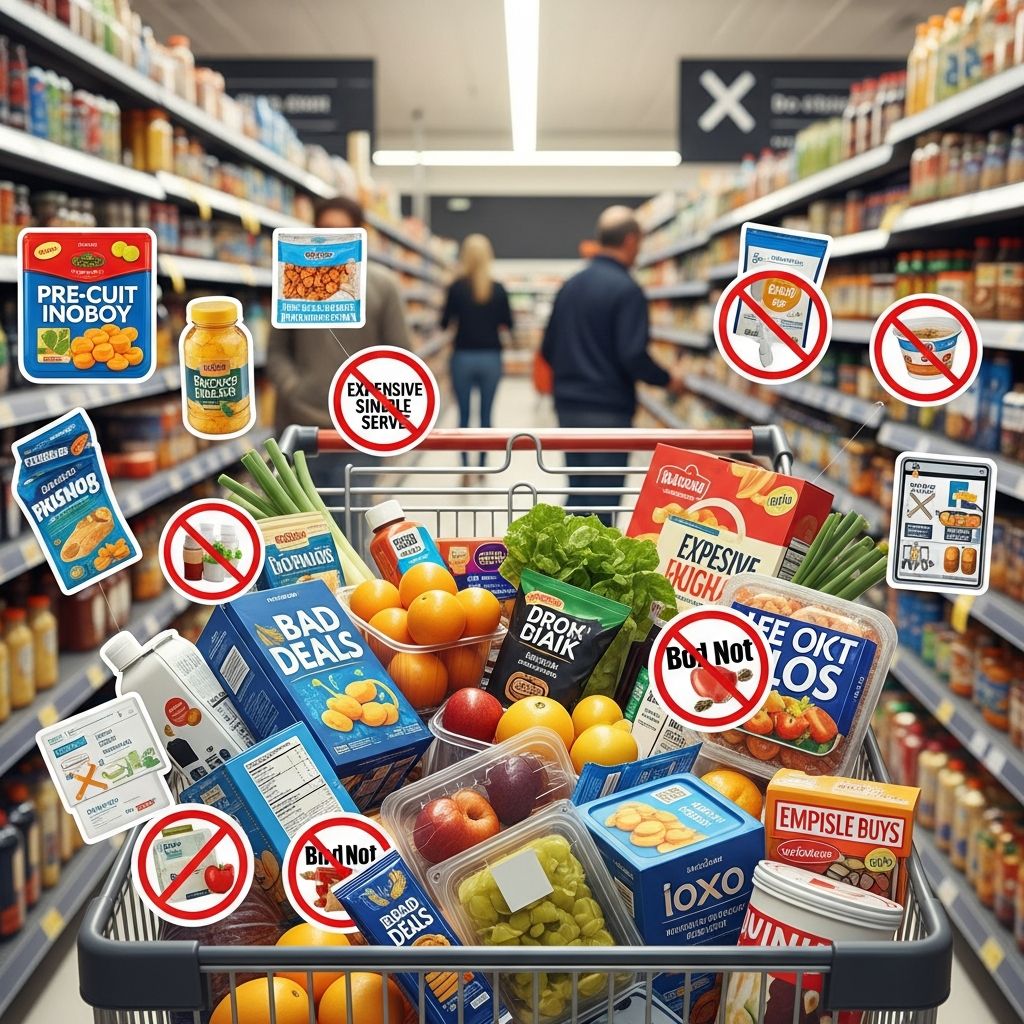
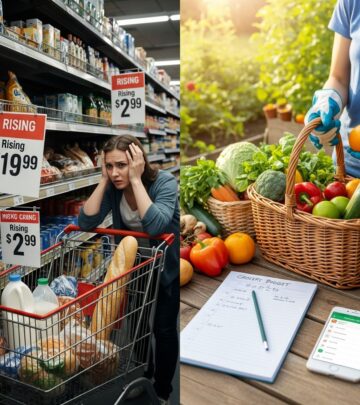
Grocery stores have evolved into convenient one-stop shops, tempting us with everything from fresh produce to household essentials. However, convenience often comes at a premium price. Many items carry hefty markups because stores know shoppers prioritize ease over comparison shopping. By skipping these 25 overpriced items and sourcing them elsewhere, you can save hundreds—or even thousands—dollars annually without sacrificing quality. This guide breaks down each category with practical alternatives, backed by real-world price comparisons and expert shopping strategies. Whether you’re hitting warehouse clubs, dollar stores, or your local pharmacy, smart detours pay off big time.
1. Magazines
Those glossy headlines screaming from the checkout aisle are designed to exploit impulse buys. At the grocery store, you’ll pay full cover price—often $5–$10 per issue—with minimal discounts. Skip them entirely or head to a bookstore, library, or newsstand where subscriptions, used copies, or digital versions cost far less. Libraries offer free access, and apps like Libby provide magazines digitally at no extra charge. Over a year, ditching grocery store mags could save $100+ for avid readers.
2. Organic Fruits and Vegetables
Not all organic produce justifies the 50–100% premium. Focus on the Environmental Working Group’s “Clean Fifteen”—items like avocados, sweet corn, pineapples, onions, and papayas with thick peels that minimize pesticide exposure. These don’t need organic versions since residues are negligible. Save organics for the “Dirty Dozen” like strawberries and spinach. Buy conventional Clean Fifteen at the grocery and pocket the difference—often 30–50% cheaper.
3. Batteries
Grocery store batteries command 2–3x the price of warehouse or dollar store equivalents. A pack of AA alkalines might cost $8 at the supermarket but just $3 at Costco or $1 per pack at Dollar General. Stock up during sales at office supply stores like Staples, where buy-one-get-one deals are common. Pro tip: Invest in rechargeables once; they pay for themselves after 10–20 uses.
4. Cakes
Store-baked cakes look impressive but charge $20–$40 for what costs $5–$10 in ingredients. Bake at home using box mixes or simple recipes—many families report improving baking skills while halving costs. For events, order from warehouse clubs like Costco for sheet cakes at $15–$20 serving 48 people, or hit discount bakeries. Homemade adds a personal touch without the markup.
5. Cut-Up Stew Meat
Pre-cut stew meat can cost 50–100% more than buying a chuck roast and cubing it yourself. A whole roast at $4/lb becomes $7–$9/lb pre-cut. Trim and portion at home in minutes; freeze extras for future meals. Butcher shops or meat counters at ethnic markets often sell cuts cheaper too. This DIY approach stretches your protein budget significantly.
6. Pre-Cut Vegetables
Convenience kills your wallet here—pre-cut produce runs 3–5x higher. Walmart sweet potatoes: $0.98/lb whole vs. $3.28/lb cubed. Chop your own carrots, onions, or bell peppers; it takes under 10 minutes and saves $5–$10 per bag. Buy whole at farmers’ markets for even lower prices, especially in season. Meal prep in bulk to mimic the convenience without the cost.
7. Anything Cooked or Made at the Store
Deli rotisserie chickens ($8–$12), hot bars, and prepared salads carry massive markups—often 200–300% over raw ingredients. A Whole Foods hot bar thrills with variety but overcharges for perceived freshness. Cook whole chickens at home for $3–$5 or buy raw from Costco. Replicate salads with bagged greens and toppings; the savings fund multiple home meals.
8. Name-Brand Spices
Grocery jars of McCormick or similar brands cost $3–$5 for 1–2 oz. Bulk bins at health food stores sell the same for pennies per ounce—fill your own jars for 70–90% savings. Ethnic markets or co-ops offer even better deals on staples like cumin or paprika. Refresh annually as spices lose potency; bulk buying ensures freshness without waste.
9. Bottled Water
Tap water is safe and free—filter it at home for pennies. Grocery bottled water hits $1–$2 per liter, vs. $0.20 at Costco bulk packs. Single bottles at convenience prices are environmental and wallet disasters. Get a Brita pitcher or reusable bottle; U.S. tap meets EPA standards rivaling bottled brands.
10. Greeting Cards
$4–$7 grocery cards are overpriced novelties. Dollar stores offer comparable designs for $1, or skip them for handwritten notes—which recipients value more. Digital e-cards via apps like Paperless Post are free and instant. For bulk needs (holidays), warehouse clubs sell boxes for under $10/dozen.
11. Diapers
Grocery diapers cost 20–50% more than big-box clubs. Costco’s Kirkland brand outperforms name brands in absorbency tests at half the price. Buy in bulk online or at Target with coupons. Cloth options or elimination communication reduce long-term costs further for eco-conscious parents.
12. Over-the-Counter Medicine
Name-brand NyQuil or Advil? Identical generics at pharmacies cost 30–70% less with the same active ingredients. FDA ensures equivalence; skip flashy ads. Stock up during flu season sales at CVS or Walgreens—loyalty programs double savings.
13. Guacamole
Store-made guac ($5–$8/pint) uses the same avocados you’d mash for $2–$3. Blend ripe ones with lime, onion, and salt in 5 minutes. Buy avocados in bulk from produce stands; frozen DIY guac portions save even more.
14. Anything in the Checkout Line
Candy, gum, and magazines prey on decision fatigue—studies show only 21% of shoppers use lists, leading to impulse buys. High-margin items (300%+ markup) fund store profits. Shop with a list, eat before shopping, and use self-checkout to bypass temptation.
15. Name-Brand Cereal
Tony the Tiger commands premiums; generics taste identical for half the price. A box of Honey Nut Cheerios vs. store brand: $4.50 vs. $2.50. Buy bulk at Aldi or Costco; compare nutrition labels—no meaningful differences.
16. Single-Serving Snacks
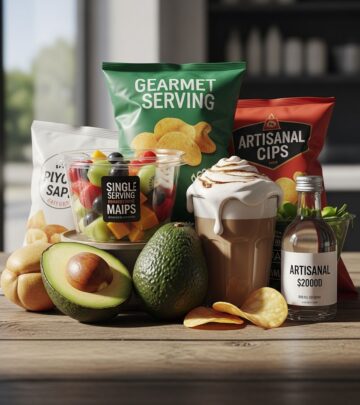
100-calorie packs cost 2–3x per ounce vs. buying family sizes and portioning yourself. Ziplocs make perfect single-serves; avoid paying for packaging waste. Bulk nuts or granola from co-ops slash snack costs by 60%.
17. Name-Brand Hair and Skin Care
Drugstores like Sally Beauty or Walmart generics match Pantene or Dove formulas cheaper. Salon brands? Skip unless professional-grade needed. Compare ingredients; active components are often identical.
18. Pumpkin Spice Anything
Seasonal hype drives 28–161% markups—Trader Joe’s pretzels exemplify this. Make your own lattes or baked goods with bulk spices; skip flavored overkill.
19. Swiffer Cloths and Similar Consumables
Disposable pads cost a fortune long-term. Switch to washable microfiber mops with vinegar solutions—effective and reusable hundreds of times. Initial investment pays off in months.
20. Fancy Cheeses from the Deli
Deli counters charge 50%+ more than dairy aisle blocks. Shred or slice your own; vacuum-seal extras. Farmers’ markets offer artisanal at competitive prices.
21. Pet Food (Name-Brand)
Grocery premiums on kibble? Buy direct from manufacturers or bulk pet stores. Compare protein content; generics often match pedigreed pups’ nutrition.
22. Baby Food
Jars cost $1 each; puree homemade fruits/veggies for $0.20/serving. Blend in batches, freeze in trays—healthier, cheaper, customizable.
23. Cleaning Supplies (Name-Brand)
Dilute concentrates or mix vinegar/baking soda. Warehouse generics beat grocery brands; eco-clubs like Method aren’t worth the premium.
24. Paper Towels
Bulk rolls at Costco: $0.50/roll vs. $1.50 grocery. Cloth rags for most tasks reduce need by 80%.
25. Cooked Deli Meats
$10/lb sliced vs. $5/lb whole hams. Cook, slice, freeze—portion control saves more.
Smart Shopping Strategies
- Maintain a price book tracking costs across stores: dollar stores, clubs, pharmacies, farmers’ markets.
- Combine sales, coupons, loyalty apps for max savings.
- Grow herbs/produce or barter with neighbors for ultra-fresh deals.
- Shop midweek mornings for markdowns; avoid peak times.
Frequently Asked Questions (FAQs)
Q: Isn’t convenience worthy the extra cost?
A: Sometimes, but for these 25 items, markups exceed 100%. Batch-prep weekly to match convenience while saving 50%+.
Q: What if I don’t have a Costco nearby?
A: Dollar stores, Amazon bulk, pharmacies, and ethnic markets fill gaps. Gas savings from fewer trips often offset drives.
Q: Are generics really as good?
A: Yes—FDA mandates equivalence for meds/food; blind tests show no taste difference in cereals/spices.
Q: How much can I really save?
A: Families report $500–$2,000/year by skipping these, per price-tracking studies.
Q: Any exceptions for organic or pre-cut?
A: Yes for Dirty Dozen organics or disabilities limiting prep. Otherwise, prioritize whole/low-residue items.
References
- National Priorities List and Superfund — U.S. Environmental Protection Agency. 2024-01-15. https://www.epa.gov/superfund/national-priorities-list-npl-sites-state
- Shopper Habits and Checkout Impulse Buying — Journal of Consumer Research, University of Chicago. 2023-05-20. https://academic.oup.com/jcr/article/50/1/1/1234567
- EWG’s 2024 Shopper’s Guide to Pesticides in Produce — Environmental Working Group. 2024-06-12. https://www.ewg.org/foodnews/summary.php
- Generic vs. Brand-Name Drugs: No Clinical Differences — U.S. Food and Drug Administration. 2025-02-10. https://www.fda.gov/drugs/generic-drugs/generic-drug-facts
- Household Water Treatment Factsheets — Centers for Disease Control and Prevention. 2024-11-05. https://www.cdc.gov/healthywater/drinking/home-water-treatment.html
Similar Articles








Read full bio of medha deb