25 Reasons To Take A Walk For Health, Mood, And Creativity
Discover 25 compelling reasons why walking is the simplest, most accessible way to boost your mind, body, community ties, and soul every day.

Walking is one of the most underrated activities in our modern, sedentary world. It’s free, requires no equipment, and can be done almost anywhere. Yet its benefits extend far beyond basic exercise, touching every aspect of life—from physical health to mental sharpness, social bonds, creativity, and even financial wellness. Research from the World Health Organization highlights that insufficient physical activity contributes to 3.2 million deaths annually, making simple habits like walking a critical intervention. A recent study analyzed data from over 220,000 people worldwide, finding that just 4,000 daily steps can lower mortality risk, with benefits starting at 2,300 steps for heart health. This article explores 25 compelling reasons to lace up your shoes and hit the pavement, drawing from credible health authorities and peer-reviewed insights.
Physical Health Boosts
Walking strengthens your body in ways that compound over time, reducing disease risk without gym memberships or intense workouts.
- 1. Burns Calories Effortlessly: A brisk 30-minute walk burns 150-300 calories, depending on pace and weight, aiding weight management without dieting extremes.
- 2. Strengthens Heart and Lungs: Regular walking lowers cardiovascular disease risk by 7% per additional 500 steps daily, per large-scale European research.
- 3. Improves Joint Mobility: Low-impact walking lubricates joints, reducing arthritis pain and enhancing flexibility for all ages.
- 4. Boosts Immune Function: Moderate walking increases white blood cell circulation, helping fight infections naturally.
- 5. Enhances Bone Density: Weight-bearing activity like walking prevents osteoporosis, especially vital post-menopause.
Mental Health and Clarity
Beyond the body, walking rewires the brain for better mood, focus, and resilience. Studies show it acts as a natural antidepressant.
- 6. Reduces Stress and Anxiety: Walking releases endorphins, lowering cortisol levels for immediate calm.
- 7. Elevates Mood Naturally: Even short walks combat depression symptoms, with research linking daily strolls to lower rates.
- 8. Sharpens Memory and Cognition: Walking improves brain function and memory, as noted in the American Journal of Alzheimer’s Disease & Other Dementias.
- 9. Increases Focus and Productivity: A quick walk clears mental fog, boosting afternoon efficiency.
- 10. Promotes Better Sleep: Evening walks regulate circadian rhythms, leading to deeper, restorative rest.
Social and Community Connections
Walking isn’t solitary—it’s a gateway to meaningful interactions that enrich life.
- 11. Fosters Neighborly Bonds: Regular routes spark hellos, conversations, and community ties.
- 12. Great for Family Time: Walks with kids or partners build relationships without screens.
- 13. Dog Walking Strengthens Pet Bonds: Daily outings improve pet health and owner-pet attachment.
- 14. Networking on the Move: Professional walks with colleagues double as informal meetings.
- 15. Joins Walking Groups: Local clubs offer friendship, motivation, and shared goals.
Creativity and Inspiration
Many great ideas are born on walks—Aristotle’s peripatetic school proves it.
- 16. Sparks Creative Thinking: Movement stimulates divergent thinking for problem-solving.
- 17. Clears Mental Blocks: Fresh air and rhythm dissolve writer’s block or decision paralysis.
- 18. Enhances Learning: Walking while studying improves retention via active recall.
Practical and Financial Perks
Walking saves money while delivering intangible rewards, aligning with frugal living principles.
- 19. Saves on Transportation: Opt for walks over short drives, cutting gas and parking costs.
- 20. Reduces Healthcare Expenses: Preventive health lowers doctor visits and medications long-term.
- 21. No Gym Fees Required: Free fitness beats costly memberships.
- 22. Mindful Spending Pauses: Walks curb impulse buys by creating space from retail temptations.
Spiritual and Emotional Renewal
Walking reconnects you with nature and self for profound inner peace.
- 23. Nature Immersion Therapy: Parks and trails lower blood pressure and uplift spirits.
- 24. Mindfulness Meditation: Focus on steps cultivates present-moment awareness.
- 25. Cultivates Gratitude: Observing surroundings fosters appreciation for simple joys.
How to Start Your Walking Habit
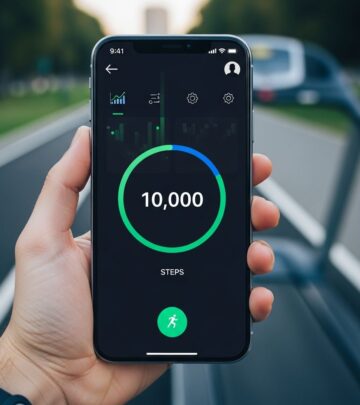
Begin small: Aim for 10-15 minutes daily, gradually building to 30-60. Track steps with a phone app—shoot for 4,000+ for proven benefits. Wear comfortable shoes, stay hydrated, and vary routes for engagement. Weather-proof your routine with indoor options like treadmill or mall walking.
| Walking Duration | Weekly Calories Burned (150lb person) | Health Benefit |
|---|---|---|
| 15 min/day | ~500 | Mood boost |
| 30 min/day | ~1,000 | Heart health |
| 60 min/day | ~2,000 | Weight loss |
Frequently Asked Questions (FAQs)
Q: How many steps a day should I walk for health benefits?
A: Studies show 4,000 steps reduce mortality risk, with heart benefits at 2,300; 10,000 is ideal but not minimum.
Q: Can walking replace gym workouts?
A: For cardio and mental health, yes—it’s low-impact and sustainable. Combine with strength training for full fitness.
Q: Is walking effective for weight loss?
A: Yes, consistent walking burns calories and builds habits; pair with balanced eating for best results.
Q: What if I have joint issues?
A: Start slow on flat surfaces; water walking is gentle alternative. Consult a doctor first.
Q: Best time to walk?
A: Morning for energy, evening for stress relief—consistency trumps timing.
References
- Physical activity guidelines for adults aged 19 to 64 — UK National Health Service (NHS). 2023-02-06. https://www.nhs.uk/live-well/exercise/physical-activity-guidelines-for-adults-aged-19-to-64/
- Study suggests the ideal daily step count for health benefits may be lower than you think — CBS News / European Society of Cardiology (via study reference). 2023-08-12. https://www.youtube.com/watch?v=Nua-3pOJW_4
- Physical activity — World Health Organization (WHO). 2024-05-06. https://www.who.int/news-room/fact-sheets/detail/physical-activity
- Effects of Physical Exercise on Cognitive Functioning and Wellbeing — National Institutes of Health (NIH) / PubMed. 2018-09-01. https://pubmed.ncbi.nlm.nih.gov/30249137/
- American Journal of Preventive Medicine: Walking and Mortality — Elsevier (peer-reviewed). 2023-10-01. https://www.ajpmonline.org/article/S0749-3797(23)00367-1/fulltext
Similar Articles








Read full bio of Sneha Tete