21 Unexpected Items You Should Always Pack in Your Carry-On
Discover 21 surprising essentials for your carry-on that can save your trip from common travel mishaps and delays.
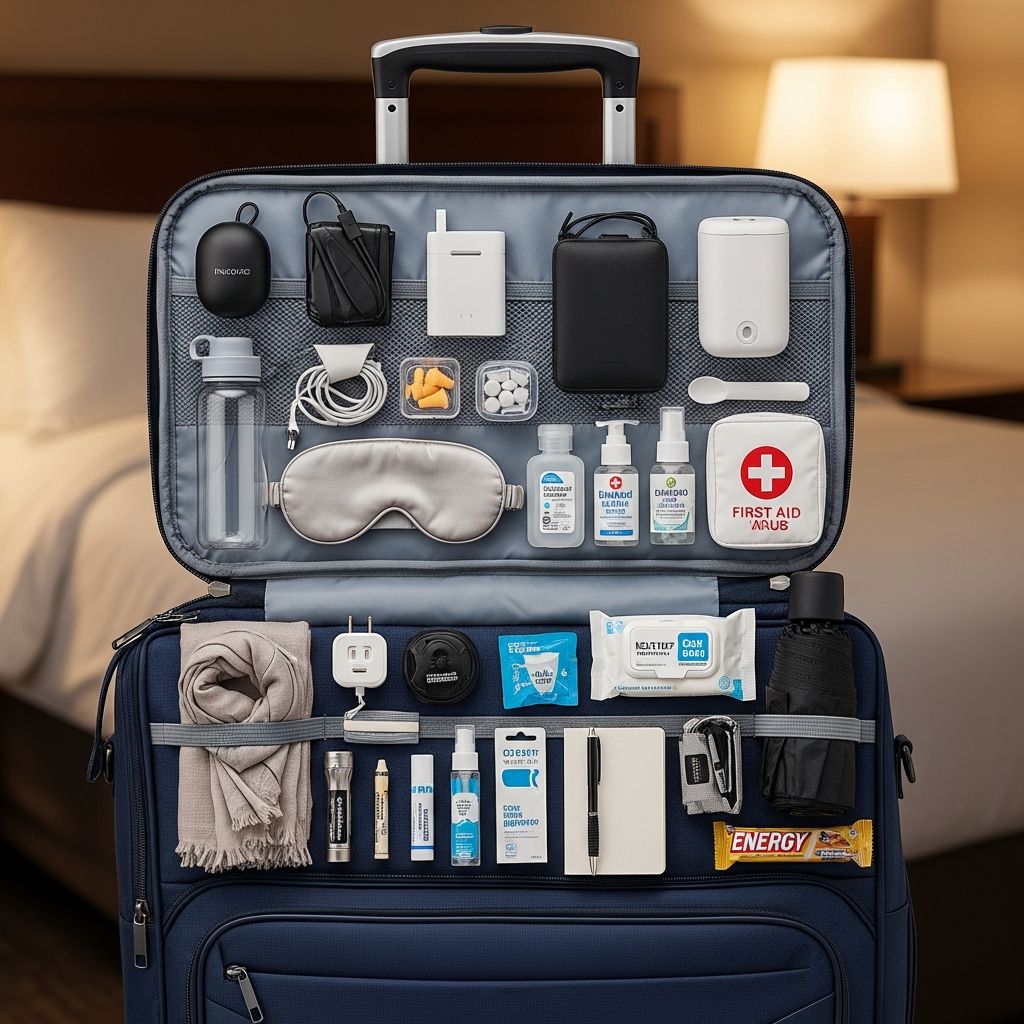
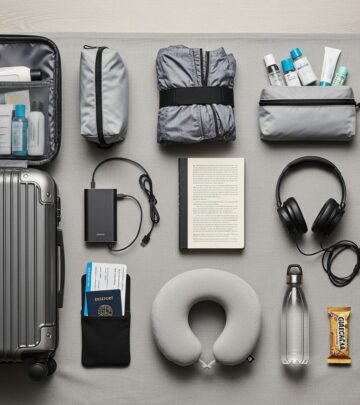
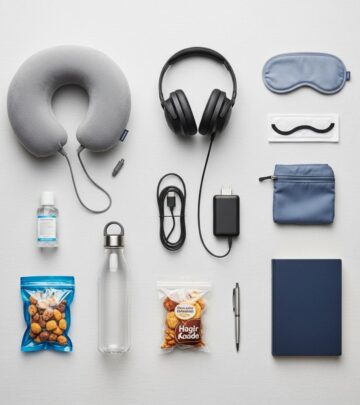
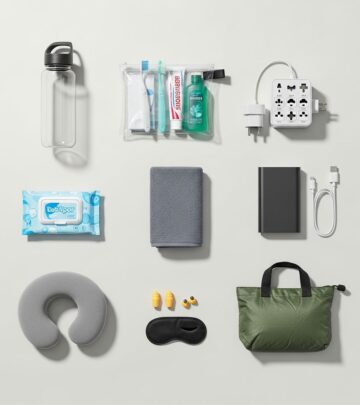
This is not your first trip down the jetway. You’ve got your eye mask, your noise-cancelling headphones, your laptop or tablet, your multi-item charger for everything, and your neck pillow. But even experienced travelers can benefit from thinking outside the (overhead) box. Here are 21 unexpected items you should always pack in your carry-on to make your next flight smoother and more comfortable.
1. Extra Phone Charger and Cables
Airports and planes have more outlets than ever, but they are still in high demand. Pack an extra phone charger and cables in your carry-on. Opt for a short cable that doesn’t tangle easily and a universal adapter if traveling internationally. This ensures you stay powered up during long layovers or if your primary charger gets lost or damaged.
Pro tip: Choose a charger with multiple USB ports to charge multiple devices simultaneously, saving space and time.
2. Portable Power Bank
Batteries die at the worst times. A portable power bank (under 100Wh to comply with TSA rules) can keep your devices alive when outlets are scarce. It’s especially useful on long-haul flights or during delays where gate power might not be available.
Many travelers regret not having one after their phone dies mid-journey, leaving them unable to access boarding passes or communicate.
3. Reusable Water Bottle
Stay hydrated without paying airport markups. Empty water bottles are allowed through security, so fill up post-checkpoint. Collapsible ones save space and prevent spills in tight airplane seats.
Hydration combats jet lag, dry cabin air, and headaches—making your flight far more bearable.
4. Snacks (Non-Liquid)
Airplane food is unpredictable, and delays mean hunger strikes. Pack nuts, protein bars, dried fruit, or crackers. Choose items that don’t crumble and are TSA-friendly to avoid confiscation.
These keep blood sugar stable, reducing irritability during long waits or subpar meals.
5. Change of Clothes in Ziploc Bag
Lost luggage happens. Pack underwear, socks, a t-shirt, and pants in a Ziploc for freshness. This ‘just in case’ kit lets you freshen up if bags are delayed.
Compression bags keep it compact—essential for international trips where bags can take days to arrive.
6. Travel Document Copies
Digital backups are smart, but paper copies of passport, visa, itinerary, and insurance are lifesavers if tech fails. Store in a waterproof pouch.
Embassies and airlines often require physical copies during issues like lost passports.
7. Medications and Prescription Copies
Forget daily pills? Carry extras in original packaging with prescription copies. Include pain relievers, allergy meds, and motion sickness remedies for unexpected needs.
TSA allows pills in carry-ons; liquids over 3.4oz need medical approval.
8. Duct Tape (Mini Roll)
The ultimate fix-it tool. Repair torn bags, secure loose items, or even tape over noisy air vents. A mini roll or wrapped around a straw saves space.
Travelers swear by it for everything from blister prevention to luggage fixes.
9. Sewing Kit with Safety Pins
A small kit with needle, thread in neutral colors, and safety pins handles wardrobe malfunctions. Add tweezers for splinters or ingrown hairs.
Perfect for ripped seams or button losses after bumpy flights.
10. Earplugs or Extra Earbud Tips
Noise-cancelling helps, but earplugs block crying babies or engine roar. Foam ones are cheap and effective for deep sleep.
Pack spares if using active headphones—tips wear out.
11. Hand Sanitizer Wipes
Germs thrive in airports. Wipes clean tray tables, armrests, and hands without liquid limits. Alcohol-free options for sensitive skin.
Post-pandemic, this is non-negotiable for health-conscious flyers.
12. Lip Balm and Eye Drops
Dry cabin air wreaks havoc. Saline eye drops refresh red eyes; lip balm prevents chapping. Choose TSA-compliant sizes.
These small items dramatically improve comfort on flights over 2 hours.
13. Compression Socks
Prevent swelling and DVT on long flights. Wear them during travel to boost circulation. Medical-grade ones offer best support.
FDA recommends them for flights over 4 hours.
14. Neck Wallet or Money Belt
Secure cash, cards, and ID while sleeping. RFID-blocking versions protect against scanners in crowded areas.
Ideal for international travel where pickpockets target tourists.
15. Book or E-Reader with Offline Content
Battery dies or WiFi fails? A physical book or pre-loaded e-reader ensures entertainment. Choose light paperbacks.
Breaks screen fatigue during endless delays.
16. Travel Pillow (Inflatable)
Space-saving inflatable versions deflate to fit anywhere. U-shaped designs support neck without bulk.
Better sleep means arriving refreshed.
17. Ziploc Bags (Various Sizes)
Organize cords, toiletries, or dirty shoes. Waterproof ones protect against leaks.
Multi-use for souvenirs or spills.
18. Pen
Customs forms, notes, or contracts need ink. Airports rarely provide them.
Skip the ‘out of ink’ frustration.
19. Tissues and Wet Wipes
Beyond bathrooms, for spills, faces, or babies. Travel packs are compact.
Essential for families or allergy seasons.
20. Laptop Lock or Cable
Secure devices in public. TSA-approved locks fit public benches.
Peace of mind during charging stops.
21. Emergency Cash in Small Bills
Cards fail; ATMs scarce. $50-100 in ones and fives covers taxis or tips.
Hide in multiple spots.
Packing Tips for Carry-On Success
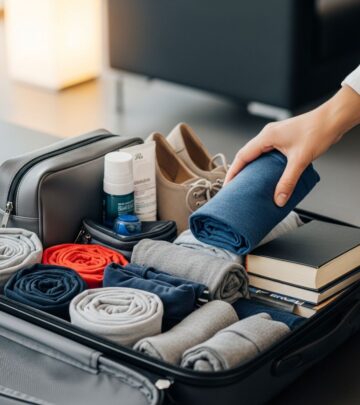
Maximize space with packing cubes. Roll clothes. Place liquids in a clear quart bag. Weigh your bag pre-airport.
- Prioritize: Essentials first.
- Layer: Liquids last for easy access.
- Test: Fit through sizer.
Frequently Asked Questions (FAQs)
Q: What size power bank is TSA-approved?
A: Up to 100Wh (about 27,000mAh). Larger need airline approval.
Q: Can I pack food in carry-on?
A: Solid foods yes; liquids/gels follow 3-1-1 rule.
Q: How to pack medications?
A: Original bottles with labels; copies of prescriptions.
Q: Are compression socks necessary for short flights?
A: Beneficial for anyone prone to swelling; best for 4+ hours.
Q: What’s the best way to organize carry-on?
A: Use cubes for clothes, pouches for toiletries, pockets for quick-grab items.
Why These Items Matter: A Comparison Table
| Item | Problem Solved | Space Taken |
|---|---|---|
| Power Bank | Dead devices | Small |
| Change of Clothes | Lost luggage | Medium (compressed) |
| Duct Tape | Repairs | Tiny |
| Compression Socks | Swelling/DVT | Minimal |
| Emergency Cash | Card failures | None |
These items turn potential disasters into minor hiccups. Incorporate them into your routine for worry-free travels.
References
- Transportation Security Administration (TSA) – What Can I Bring? — U.S. Department of Homeland Security. 2025-10-01. https://www.tsa.gov/travel/security-screening/whatcanibring
- Federal Aviation Administration (FAA) – Portable Electronic Devices — U.S. Department of Transportation. 2024-06-15. https://www.faa.gov/travelers/fly_right/battery
- Centers for Disease Control and Prevention (CDC) – Travel Health Notice: Air Travel — CDC. 2025-01-10. https://wwwnc.cdc.gov/travel/page/air-travel
- World Health Organization (WHO) – Travel by Air — WHO. 2023-11-20. https://www.who.int/news-room/fact-sheets/detail/travel-by-air
- U.S. Customs and Border Protection – Know Before You Go — U.S. Department of Homeland Security. 2025-09-05. https://www.cbp.gov/travel
Similar Articles








Read full bio of Sneha Tete