20 Great Frugal Skills — and How to Get Them
Master these 20 essential frugal skills to slash expenses, boost self-reliance, and live large on a small budget with practical learning tips.
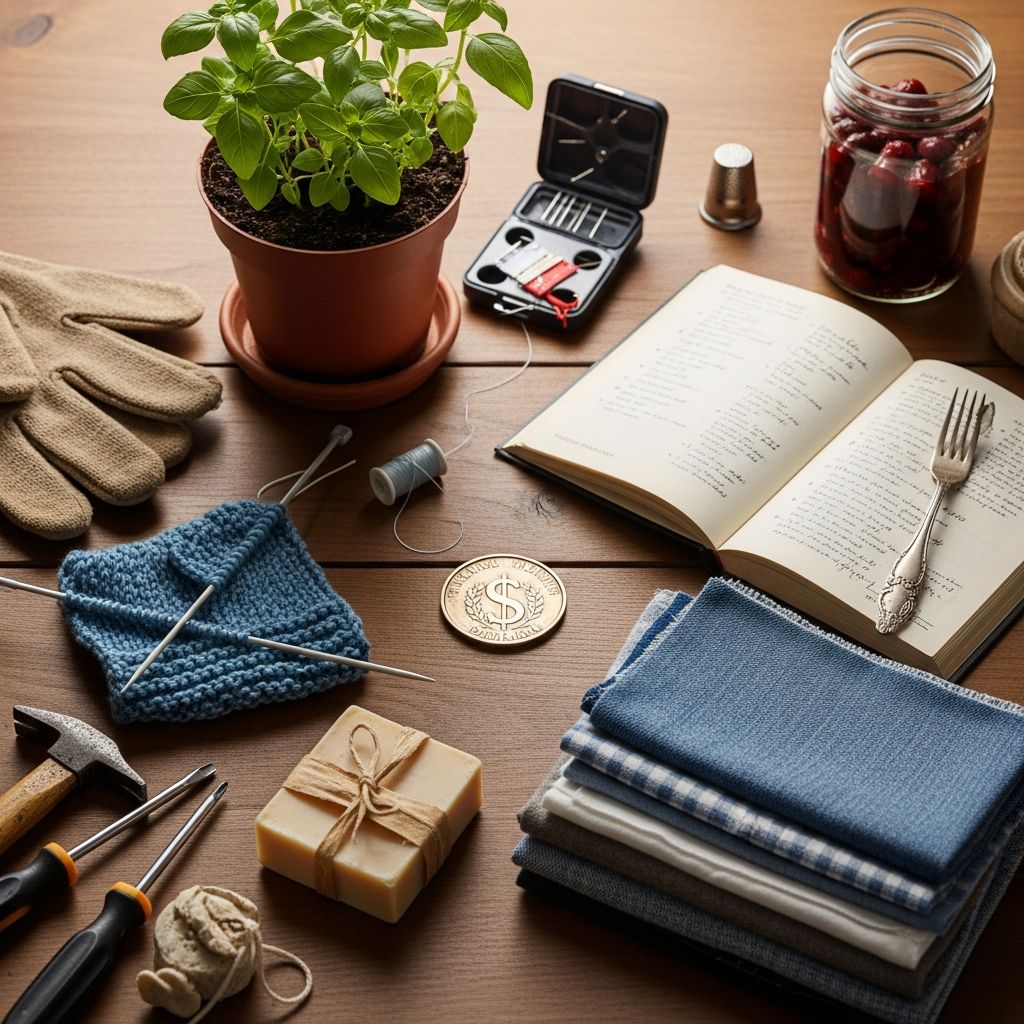
Frugal living isn’t just about clipping coupons; it’s about cultivating practical skills that reduce reliance on expensive services and products. These 20 skills empower you to produce, repair, and maintain your lifestyle affordably, fostering self-sufficiency and financial freedom. From growing your own food to mastering basic repairs, each skill offers long-term savings and satisfaction. This guide covers how to learn them efficiently, drawing on time-tested methods and modern resources.
1. Gardening
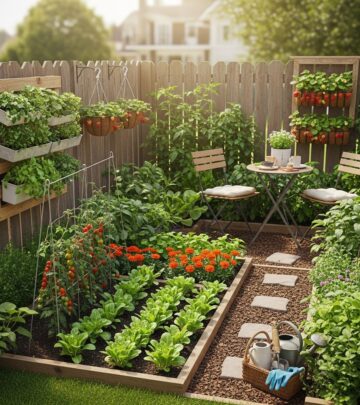
Gardening tops the list of frugal skills because home-grown produce slashes grocery bills and provides fresh, organic food. A small plot or containers can yield tomatoes, herbs, lettuce, and more, potentially saving hundreds annually on vegetables.
- Start small: Begin with easy crops like radishes or basil in pots on a windowsill.
- Learn basics: Read free guides from extension services or watch YouTube tutorials on soil prep, watering, and pest control.
- Tools needed: Basic seeds, soil, and a trowel—under $20 to start.
- Advance: Join community gardens for shared space and advice.
Consistent effort yields bountiful harvests; one study shows home gardeners save 20-50% on produce costs.
2. Cooking
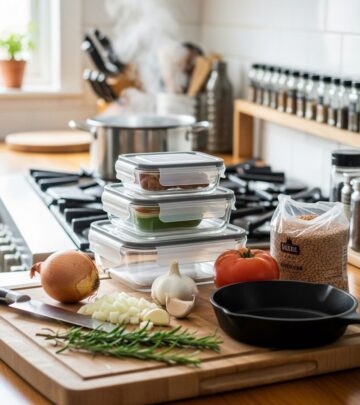
Cooking from scratch replaces pricey takeout and processed foods. Mastering it means flavorful meals for pennies per serving, like homemade pasta or stir-fries.
- Fundamentals: Learn knife skills, basic techniques (sauté, boil, bake) via free apps like BBC Good Food.
- Practice: Cook one new recipe weekly using pantry staples.
- Batch prep: Make large portions for freezing to save time and money.
- Pro tip: Shop sales and use seasonal ingredients for maximum savings.
Families cooking at home spend 30% less on food than frequent diners-out.
3. Baking
Baking bread, cookies, or pies at home cuts bakery costs dramatically. Fresh bread costs under $1 per loaf versus $4 store-bought.
- Entry point: Start with no-knead bread recipes—mix, wait, bake.
- Resources: Books like “Artisan Bread in Five Minutes a Day” or online forums.
- Equipment: Basic oven, mixing bowls; invest in a Dutch oven later.
- Experiment: Swap ingredients for healthier, cheaper versions (e.g., whole wheat flour).
4. Canning/Preserving
Preserve garden surplus or bulk buys through canning, freezing, or fermenting to enjoy summer flavors year-round without waste.
- Safety first: Follow USDA guidelines for water-bath or pressure canning.
- Beginner projects: Jams, pickles, or freezer jams.
- Tools: Mason jars, lids, basic canner—reusable for years.
- Yield: Turns $20 produce into shelf-stable goods worth $100+.
Proper preserving extends food life, reducing spoilage losses by up to 40%.
5. Sewing
Sewing mends clothes, alters fits, or creates custom items, extending wardrobes’ life and avoiding tailor fees.
- Start: Hand-sew patches or hems with a $5 kit.
- Machine sewing: Thrift a basic machine; learn via free Skillshare trials.
- Projects: Pillows, bags from scraps before garments.
- Save: Repairs cost $0 vs. $20+ professionally.
6. Knitting or Crocheting
These crafts produce warm scarves, hats, or blankets from affordable yarn, warmer and unique than store versions.
- Choose: Crochet for faster results; knitting for finer work.
- Learn: Free YouTube channels like Bella Coco Crocheting.
- Yarn: Buy thrift or sales; one skein makes multiple items.
- Monetize: Sell extras for side income.
7. Exercising
Home workouts eliminate gym fees ($50+/month) while building fitness using bodyweight or free tools.
- Routines: Apps like Nike Training Club offer free plans.
- Equipment: Jump rope, resistance bands—under $30 total.
- Consistency: 30-min daily sessions for health gains.
- Bonus: Reduces medical costs long-term.
8. Home Maintenance/Repair
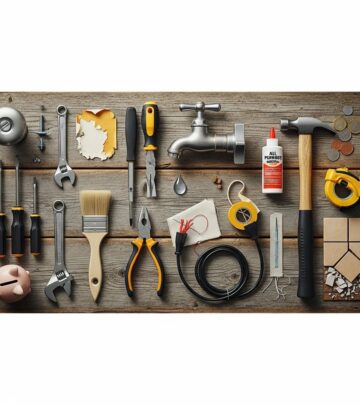
Fix leaks, paint, or assemble furniture yourself to dodge contractor costs, which average $75/hour.
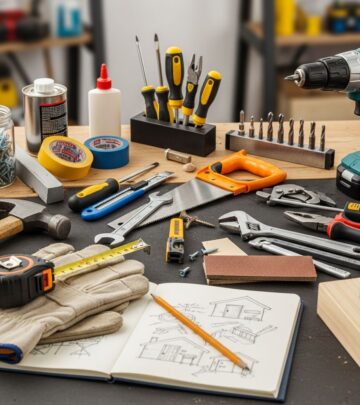
- Essentials: Toolbox with hammer, screwdriver, drill, tape.
- Learn: YouTube channels like This Old House.
- Projects: Start with caulking, patching drywall.
- Safety: Wear gear; know limits.
9. Basic Auto Maintenance
Change oil, rotate tires, or check fluids to extend car life and skip $100+ service visits.
- Start: Oil changes with DIY kits ($40 vs. $80 shop).
- Resources: Haynes manuals or CarTalk podcasts.
- Tools: Jack, stands, wrenches—build gradually.
DIY maintenance saves owners $500/year on average.
10. Computer Repair/Troubleshooting
Fix software issues, upgrade RAM, or clean hardware to avoid $100+ Geek Squad fees.
- Basics: Malware scans, driver updates via free tools.
- Hardware: YouTube for disassembly.
- Extend life: Prolong devices 2-3 years.
11. Budgeting
Track income vs. expenses to control spending; essential for all frugality.
- Tools: Apps like YNAB or Excel sheets.
- Steps: Log fixed/periodic/variable costs.
- Review monthly: Adjust to save 10-20%.
12. Negotiating
Haggle bills, salaries, or purchases for instant savings—5-20% off routinely.
- Practice: Flea markets first.
- Tactics: Be polite, research prices, walk away if needed.
- Big wins: Cable, rent, medical bills.
13. Meal Planning
Plan weekly menus to cut grocery waste and impulse buys by 25%.
- Method: Inventory pantry, list meals, shop once.
- Tools: Free planners online.
14. Composting
Turn scraps into free fertilizer, reducing trash fees and enriching soil.
- Setup: Bin or pile; balance greens/browns.
- Use: In gardens for nutrient boost.
15. Foraging
Safely gather wild edibles like berries or ramps for free food.
- Learn: Local guides or apps; ID plants accurately.
- Safety: Avoid polluted areas.
16. Furniture Refinishing
Restore thrift finds for custom pieces at fraction of retail.
- Steps: Sand, paint, seal.
- Source: Free/cheap Craigslist items.
17. Language Learning
Duolingo or books for travel savings via hostels or local markets.
- Free apps: Daily practice.
18. Investing Basics
Low-cost index funds grow wealth without advisors.
- Start: Roth IRA, Vanguard funds.
19. First Aid
Handle minor injuries to skip ER copays ($100+).
- Certify: Red Cross classes ($85, lifelong).
20. Networking
Build connections for jobs, deals, barters—priceless frugality.
- How: Meetups, LinkedIn, community events.
Frequently Asked Questions (FAQs)
Q: How much can I save with these frugal skills?
A: Combined, expect $1,000-$5,000 annual savings depending on implementation.
Q: What’s the best starter skill for beginners?
A: Cooking or budgeting—immediate impact, low barrier.
Q: Do I need expensive tools?
A: No, start minimal; thrift or borrow.
Q: How long to master a skill?
A: Basics in weeks; proficiency in months with practice.
Q: Can these skills generate income?
A: Yes, sell preserves, crafts, or teach classes.
References
- Financial Literacy Month Steps — Money Management International. 2023. https://www.moneymanagement.org/blog/financial-literacy-month
- 20 Great Frugal Skills — and How to Get Them — Wise Bread. 2023. https://www.wisebread.com/20-great-frugal-skills-and-how-to-get-them
- Five Tactics for Pursuing Voluntary Simplicity — J.D. Roth, foldedspace. 2023. https://jdroth.com/five-tactics-for-pursuing-voluntary-simplicity/
- Ingenuity: The Ultimate Frugal Skill — Wise Bread. 2023. https://www.wisebread.com/ingenuity-the-ultimate-frugal-skill
Similar Articles








Read full bio of Sneha Tete