20 Easy Ways to Stretch Your Grocery Dollars
Discover 20 proven strategies to slash your grocery bill by hundreds annually while keeping meals nutritious and enjoyable.
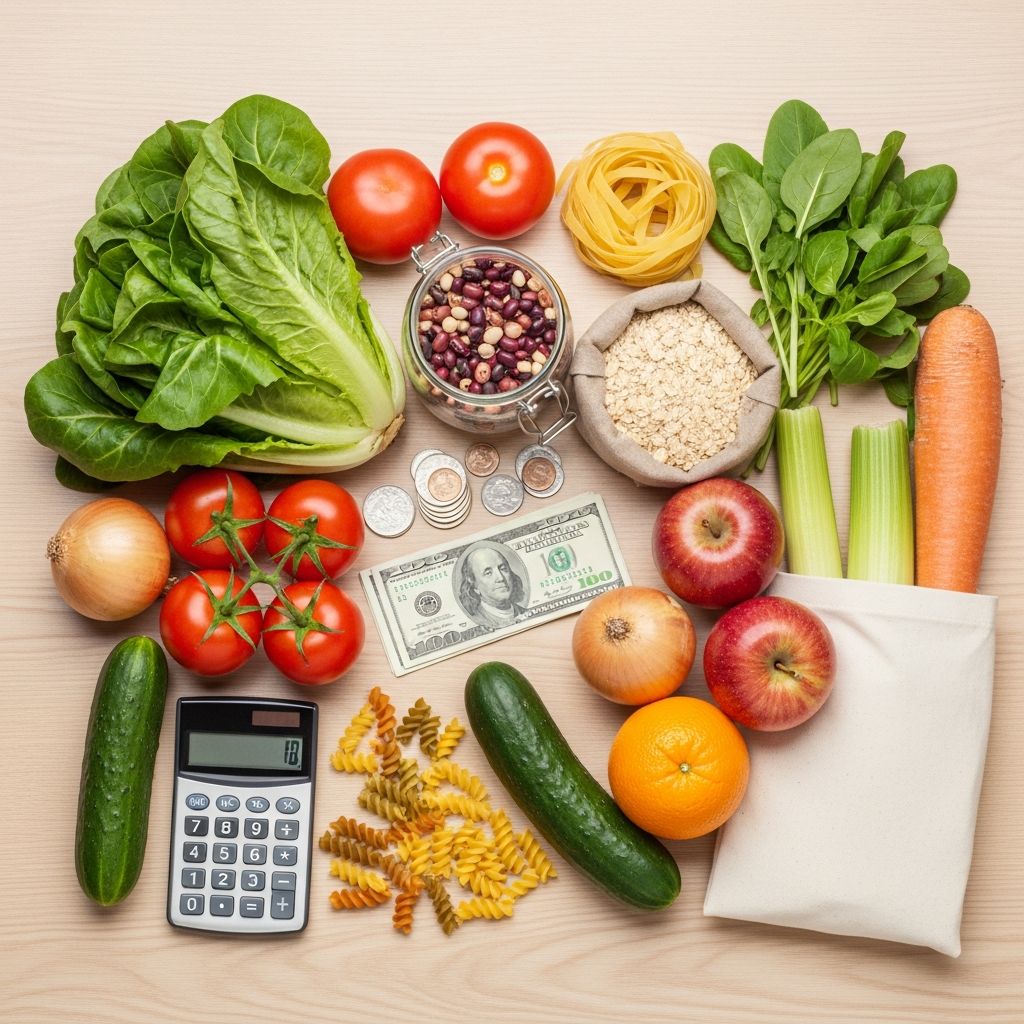
A job loss, a big savings goal, or unexpected expenses can force anyone to rethink their grocery budget. The good news is you can feed your family nutritiously and enjoyably without breaking the bank. These 20 strategies, drawn from real-world frugal living practices, help stretch every dollar while prioritizing health and satisfaction.
1. Eat Less
Sixty percent of Americans admit to overeating, often driven by snacks that inflate both calories and grocery costs. Cutting back on snacks is one of the simplest ways to reduce spending. Focus on balanced meals with proteins, veggies, and whole grains to stay full longer. Serve smaller portions initially and offer seconds only if needed—this curbs waste and promotes mindful eating. Over time, this habit can save hundreds annually by buying fewer impulse items.
2. Focus on Value Foods
Not all groceries offer equal bang for your buck. Prioritize foods with the highest nutrition per dollar, like beans, rice, oats, eggs, carrots, cabbage, and potatoes. These staples are affordable, versatile, and nutrient-dense. For instance, a pound of lentils costs pennies yet provides protein comparable to meat. Experiment with recipes using these to maintain variety without premium prices. Resources list over 50 healthy options under a dollar per pound, making it easy to build cost-effective menus.
3. Buy in Bulk
Purchasing larger quantities from warehouse clubs like Costco or even feed stores for grains slashes unit costs dramatically. Divide big meat packs into portions for freezing, or stock up on 50-pound rice bags if storage allows. The key is preventing waste: ensure you have freezer space and will consume items before spoilage. Families report saving 30-50% on staples this way, turning bulk buys into long-term pantry powerhouses.
4. Do the Work
Pre-prepped foods like washed veggies or sliced bread command premium prices but are simple to make at home. Bake your own bread for half the store cost—it’s fresher and customizable. Chop veggies yourself; they’ll stay crisp longer than bagged versions. This hands-on approach not only saves money but builds skills and ensures better quality.
5. Substitute
Recipes don’t have to be followed to the letter. Swap pricey pine nuts for pumpkin or sunflower seeds in pesto. Use Greek yogurt instead of sour cream, or oats for breadcrumbs. These swaps maintain flavor and texture while cutting costs by up to 70%. Keep a list of equivalents handy for quick meal planning.
6. Minimize Waste
Shocking as it is, 40% of U.S. food goes to waste. Combat this by serving kid-sized portions with seconds available, using small containers for every leftover, and repurposing scraps into soups or stir-fries. Track expiration dates and freeze extras promptly. These habits alone can reclaim 20-30% of your grocery spend.
7. Drink Water
Soda and juice are budget busters and health hazards. Switch to tap water flavored with a splash of juice or lemon slices. This cuts calories and costs—juice can run $5+ per gallon, while water is free. Infuse pitchers for family appeal, saving $100+ yearly.
8. Batch Cook
Prepare large quantities ahead and freeze for busy nights. This leverages bulk buys, avoids pricey convenience foods, and ensures home-cooked meals. Double soup recipes or assemble casseroles for the month. Time invested upfront yields weeks of savings and stress-free dinners.
9. Stretch with Beans and Rice
Adding inexpensive beans or rice to dishes magically extends servings. A pot of chili for four becomes enough for six with these fillers. They’re nutritious, filling, and blend seamlessly into soups, casseroles, and salads, multiplying your protein without extra expense.
10. Make Your Own Dips and Spreads
Guacamole, hummus, and peanut butter are supermarket rip-offs. Blend chickpeas with garlic for hummus in minutes, or mash avocados at home. These DIY versions taste superior and cost a fraction—hummus drops from $4 to under $1 per batch.
11. Skip the Instant Mixes
Boxed oatmeal packets, pancake mixes, and seasonings are marked up hugely. Whip up your own single-serve packets with oats, dried fruit, and spices. Homemade versions are healthier, cheaper, and endlessly customizable.
12. Shop Clearance Sections
Don’t shy from marked-down meat or dairy nearing expiration. Freeze immediately to capture 50%+ discounts. Shop these areas mid-week when stock refreshes. With quick use or preservation, this tactic turns potential loss into major wins.
13. Grow Your Own
Even balcony gardeners can cultivate herbs, tomatoes, or greens, offsetting pricey produce costs. Focus on high-value crops like basil or lettuce. Seed costs are minimal, and yields pay off quickly—saving $50-200 per season depending on space.
14. Use Coupons and Deals
Clip coupons, scan apps, and match sales to trim 20%+ off bills. Target staples you use regularly, avoiding TV-style extreme couponing unless it fits. Combine with loyalty programs for compounded savings.
15. Shop Smart Locations
Switching stores can save big—a family might cut $1,600 yearly moving from premium chains to discount ones like Walmart. Scout ethnic markets, farmers’ markets, or co-ops for steals on produce and spices.
16. Eat the Scraps
Broccoli stems, carrot tops, and potato peels are edible gold. Puree stems into soups, pickle tops, or roast peels for snacks. This zero-waste mindset salvages nutrition and dollars from what you’d toss.
17. Plan Meals Around Inventory
Inventory your pantry first, then plan weekly meals. This prevents duplicate buys and uses existing stock. Apps or lists streamline this, ensuring nothing sits forgotten.
18. Buy Seasonal and Local Produce
In-season fruits and veggies cost less and taste best. Visit local farms or markets for deals. Eating seasonally reduces prices by 20-40% and boosts nutrition.
19. Organize to Avoid Impulse Buys
A tidy pantry reveals what you have, curbing overbuying. Categorize shelves and use clear bins. This clarity supports better planning and less waste.
20. Cut Junk Food
Chips, sodas, and sweets drain budgets fast with little satiety. Replace with fruits, nuts, or homemade treats. Families sticking to whole foods report sticking to budgets like $270/month even with organic preferences.
Bonus Tips for Success
- Batch cook weekly to align with sales.
- Track spending with apps for patterns.
- Involve family in planning for buy-in.
Implementing even half these tips can save $500-2,000 yearly, depending on household size. Start small, track progress, and adjust.
Frequently Asked Questions (FAQs)
Q: How much can I realistically save with these tips?
A: Families report $500-1,600+ annually by combining bulk buying, waste reduction, and smart shopping.
Q: Is bulk buying worth it for small households?
A: Yes, freeze or share portions; focus on non-perishables like rice and beans.
Q: What if I have limited cooking time?
A: Batch cooking and simple subs like beans stretch meals efficiently.
Q: Can I eat organic on a tight budget?
A: Yes, prioritize seasonal produce and stick to $270/month examples with whole foods.
Q: How do I reduce food waste immediately?
A: Portion control, leftovers in small containers, and scrap cooking work wonders.
References
- 20 Easy Ways to Stretch Your Grocery Dollars — Wise Bread. 2010-01-01. https://www.wisebread.com/20-easy-ways-to-stretch-your-grocery-dollars
- How to Stick to a Grocery Budget and SAVE Hundreds — The Cross Legacy (YouTube). 2025-12-28. https://www.youtube.com/watch?v=RV3KnkKSn_8
- Save Money and Eat Better With a 7-Step Food Budget — Wise Bread. 2010-01-01. https://www.wisebread.com/save-money-and-eat-better-with-a-7-step-food-budget
Similar Articles








Read full bio of Sneha Tete