17 Things You Should Never Skimp on for Safety Reasons
Saving money is smart, but skimping on these 17 safety essentials can lead to costly accidents and health risks.
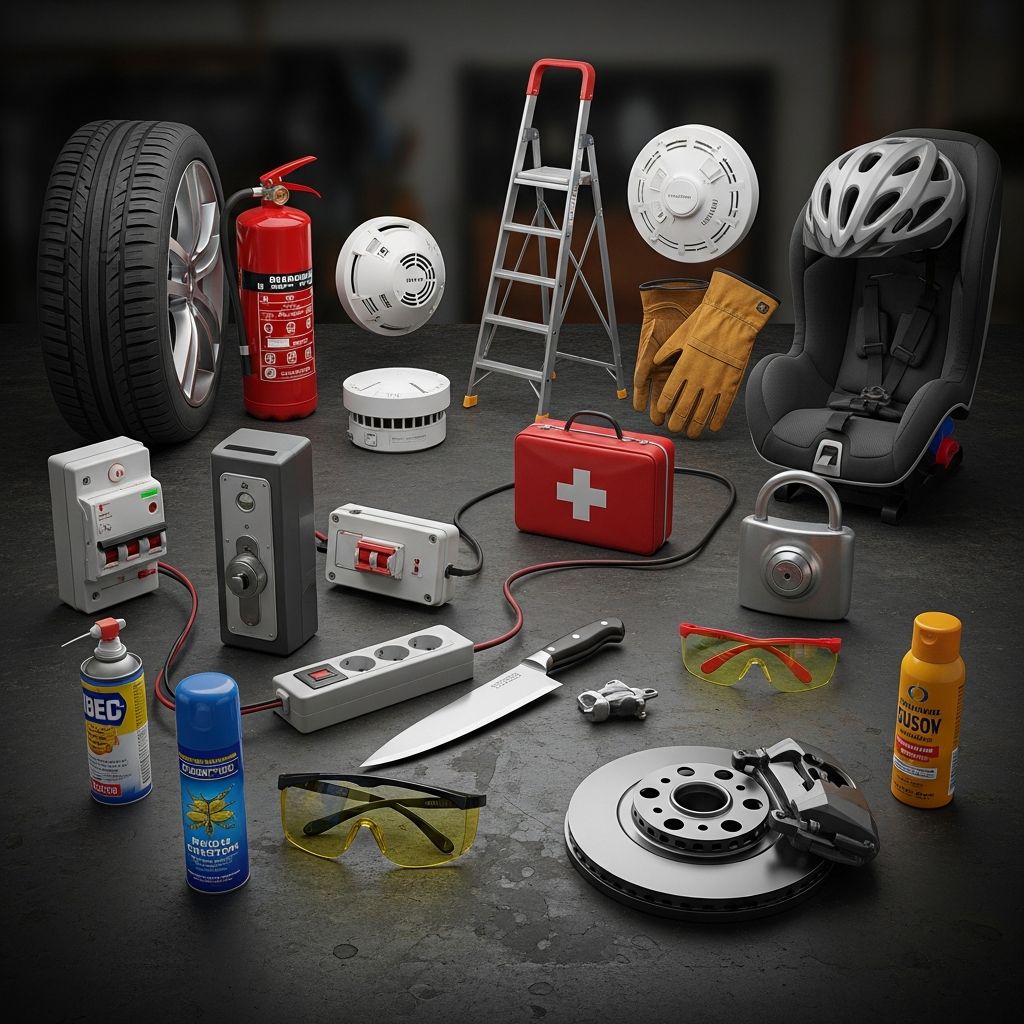
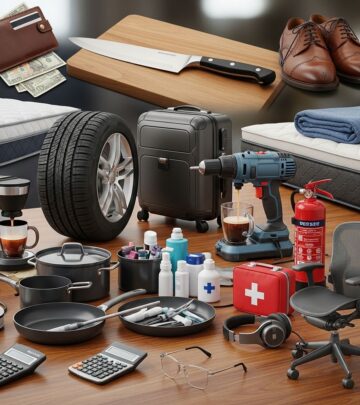
Frugality is a virtue in personal finance, but certain areas demand investment in quality to safeguard your health, property, and loved ones. Cutting corners on safety can result in accidents, injuries, or even fatalities, far outweighing any short-term savings. This article explores
17 essential items
where spending more ensures protection, drawing from expert recommendations and real-world risks.From vehicle maintenance to home security, prioritizing durability and reliability prevents disasters. The U.S. Consumer Product Safety Commission reports over 37 million injuries annually from consumer products, many preventable with proper gear. Let’s dive into each category.
1. Car Tires
**Tires** are the only contact point between your vehicle and the road. Cheap tires wear quickly, lack proper traction, and increase stopping distances. The National Highway Traffic Safety Administration (NHTSA) states that worn tires contribute to 11,000 crashes yearly.
Invest in tires rated for your driving conditions— all-season for versatility or winter tires for snow. Check tread depth regularly; replace at 2/32 inch. Premium brands like Michelin offer longer life and better wet-weather grip, reducing hydroplaning risks.
- Look for UTQG ratings: higher treadwear numbers mean durability.
- Balance and align tires during installation to extend lifespan.
- Avoid bargain brands from unverified sellers.
2. Motorcycle Helmets
A
motorcycle helmet
isn’t just protective gear—it’s a lifesaver. Substandard helmets fail in impacts, offering false security. NHTSA data shows helmets reduce fatality risk by 37%.Choose DOT- or SNELL-certified helmets with full-face coverage. Replace after any crash, as internal damage may not be visible. Full-face models protect against wind, debris, and jaw injuries better than open-face options.
3. Bike Helmets
Even for casual cycling, a
bike helmet
prevents traumatic brain injuries. Cheap foam crumbles on impact, unlike quality multi-impact designs. The CDC reports helmets cut head injury risk by 60%.Fit is crucial: snug but comfortable, with no wobbling. MIPS technology in premium helmets reduces rotational forces. Replace every 3-5 years or after impacts.
4. Baby Car Seats
**Baby car seats** must withstand crashes. Low-quality seats fail crash tests or have weak harnesses. NHTSA mandates standards, but cheap imports often skirt them.
Buy new from reputable brands like Britax or Graco. Check expiration dates (typically 6-10 years). Professional installation at fire stations ensures correctness—85% of seats are misused otherwise.
5. Child Safety Seats
Beyond infants,
child safety seats
transition to boosters. Skimping risks improper fit, ejecting kids in collisions. Use until 4’9″ height; boosters reduce injury risk by 45% per NHTSA.- Harness-2-Booster for versatility.
- Side-impact protection is essential.
6. Smoke Detectors
**Smoke detectors** provide early fire warnings. Battery-powered cheapos fail silently. Hardwired with battery backup, interconnected models alert all rooms. NFPA says working detectors halve fire death risk.
Test monthly, replace 10-year units. Smart detectors integrate with home systems for remote alerts.
7. Carbon Monoxide Detectors
Invisible
carbon monoxide (CO)
kills 400 Americans yearly. Cheap detectors lack sensitivity. Combination smoke/CO units save space and lives, per CPSC guidelines.Place near bedrooms; digital displays show levels. Sealed batteries last longer.
8. Home Security Systems
A robust
home security system
deters burglars—signage alone cuts break-ins by 50%. DIY cheap cams have blind spots and poor night vision.Opt for monitored services like ADT with 24/7 response. Add door sensors, motion lights, and smart locks.
9. Fire Extinguishers
**Fire extinguishers** rated ABC handle most home fires. Discount models clog or underperform. Mount in kitchens and garages; train family via PASS method (Pull, Aim, Squeeze, Sweep).
Inspect annually; recharge after use. Kid-friendly models build confidence.
10. First Aid Kits
Comprehensive
first aid kits
treat cuts to fractures. Bare-bones kits lack tourniquets or EpiPens. Stock per Red Cross: gloves, bandages, antiseptics, medications.Customize for allergies; refresh expired items. Take wilderness-rated kits for hikes.
11. Work Boots
**Work boots** with steel toes prevent crush injuries. Slip-resistant soles avoid falls on oily floors. OSHA reports 20% of injuries from poor footwear.
Choose composite toes for lightness; waterproof for wet jobs.
12. Ladder
A stable
ladder
prevents falls—75,000 yearly ER visits per CPSC. Wobbly cheap ladders buckle. ANSI-rated Type IA supports 300 lbs.Inspect rungs, locks; use on firm ground.
13. Power Tools
**Power tools** with safety features like guards prevent amputations. Cordless premium models have better brakes. UL-listed reduces shock risk.
- Deadman switches stop on release.
- Ergonomic grips reduce fatigue.
14. Non-Slip Shoes
**Non-slip shoes** avert slips in kitchens or outdoors. Rubber soles grip wet surfaces. NSF-certified for food service.
Ventilated for comfort during shifts.
15. Swimming Pool Equipment
**Pool fences** and covers prevent drownings—leading child killer 1-4 per CDC. Self-closing gates, alarms mandatory.
Life hooks, CPR training essential.
16. Electrical Cords and Outlets
Grounded, UL-listed
electrical cords
avoid fires. Cheap ones fray, spark. GFCI outlets in wet areas prevent shocks.Don’t overload; use surge protectors.
17. Safety Glasses
ANSI Z87.1
safety glasses
shield eyes from debris. Wraparound styles block sides. Essential for DIY or yard work.Anti-fog coatings for clarity.
Frequently Asked Questions (FAQs)
Why prioritize safety over savings?
Investing in quality prevents injuries costing thousands in medical bills, lost wages, and repairs. Long-term durability often saves money.
How often replace safety gear?
Helmets every 3-5 years, tires at tread limits, detectors per manufacturer dates. Inspect regularly.
Are expensive brands always better?
Certifications matter more than price. Research NHTSA, CPSC ratings.
What if budget is tight?
Prioritize high-risk items like tires, seats. Buy used only if certified inspected (rare for safety gear).
Final Thoughts on Safety Investments
Balancing frugality with prudence means never skimping where lives are at stake. Equip your life with reliable safety tools for peace of mind.
References
- Tire Safety Ratings — National Highway Traffic Safety Administration. 2024-01-15. https://www.nhtsa.gov/equipment/tires
- Helmet Safety — Centers for Disease Control and Prevention. 2023-06-20. https://www.cdc.gov/safechild/bicycle/index.html
- Smoke and CO Alarm Facts — National Fire Protection Association. 2024-03-10. https://www.nfpa.org/education-and-research/home-fire-sprinklers/smoke-alarms
- First Aid Kit Contents — American Red Cross. 2023-11-05. https://www.redcross.org/get-help/how-to-prepare-for-emergencies/anatomy-of-a-first-aid-kit.html
- Personal Protective Equipment — Occupational Safety and Health Administration. 2024-02-28. https://www.osha.gov/ppe
- Power Tool Safety — Underwriters Laboratories. 2023-09-12. https://www.ul.com/services/power-tool-safety
- Slip-Resistant Footwear Standards — National Sanitation Foundation. 2024-01-08. https://www.nsf.org/standards-development/standards-categories/food-equipment/slip-resistant-shoes
Similar Articles








Read full bio of medha deb