16 Simple Kitchen Skills Every Frugal Person Should Master
Master these 16 essential kitchen skills to save money, reduce waste, and cook delicious meals like a pro on a budget.
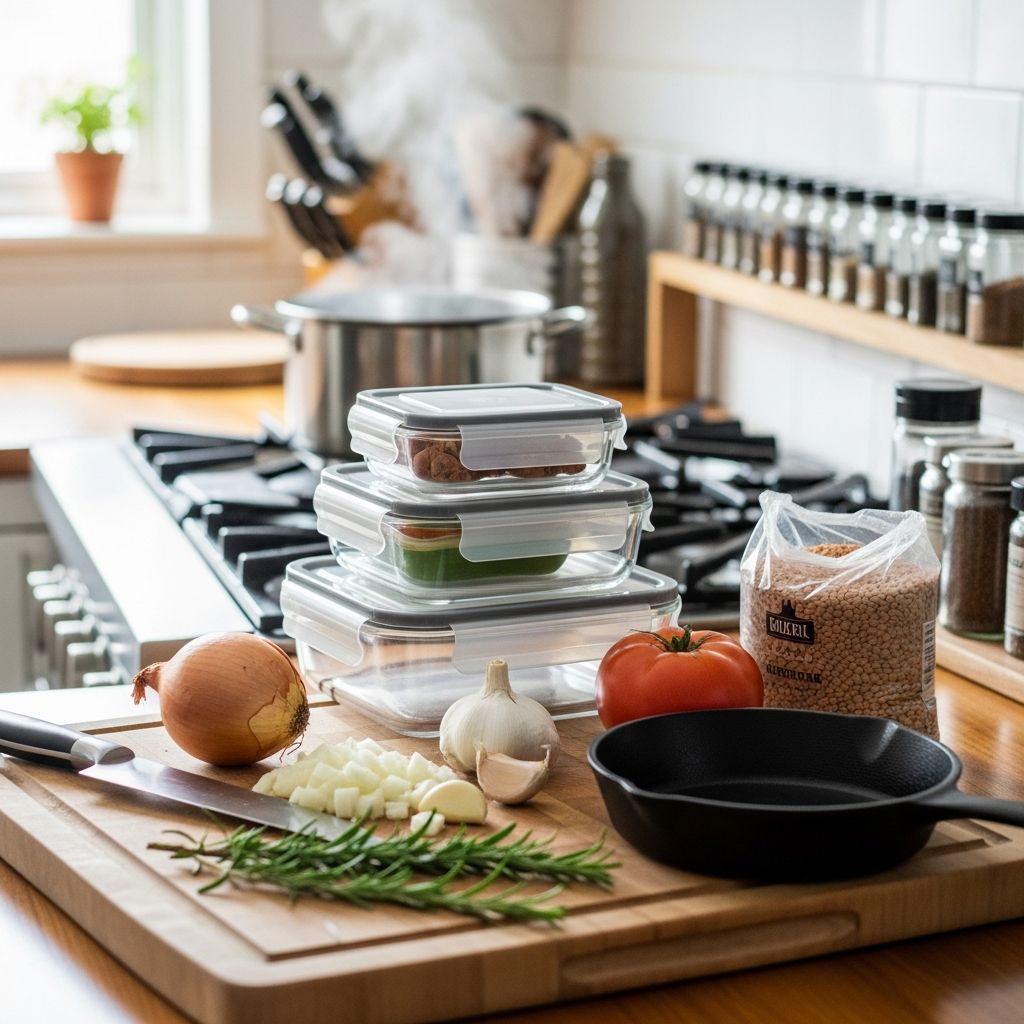
Being frugal in the kitchen doesn’t mean sacrificing flavor or nutrition. Mastering a handful of simple skills allows you to stretch every dollar, minimize waste, and produce restaurant-quality meals at home. These 16 techniques focus on versatility, efficiency, and cost-saving, empowering you to rely less on expensive takeout or pre-packaged foods. Whether you’re a beginner or looking to refine your abilities, these skills will transform your cooking routine and bolster your budget.
1. Make Coffee
Brewing coffee at home is one of the easiest ways to slash daily expenses. A single cup from a coffee shop can cost $5 or more, but homemade versions run pennies per serving. Start with a French press or drip machine for consistent results. Use coarsely ground beans for immersion methods to avoid bitterness, and measure 1-2 tablespoons per 6 ounces of water. Heat water to 195-205°F for optimal extraction—boiling water scorches the grounds. Experiment with ratios to suit your taste, and always use fresh beans stored in an airtight container. This skill not only saves money but also lets you customize strength and add-ins like cinnamon or vanilla without extra cost.
2. Roast a Chicken
A whole chicken, often under $2 per pound, feeds a family multiple meals when roasted properly. Pat the bird dry, season generously with salt, pepper, and herbs inside and out, then truss the legs for even cooking. Roast at 425°F on a rack in a preheated oven for 1-1.5 hours until the thigh reaches 165°F internally. Let it rest 10-15 minutes to redistribute juices. The golden skin crisps beautifully, and leftovers yield stock, sandwiches, salads, and soups. This one purchase replaces pricier cuts like breasts or thighs, maximizing value while delivering juicy, flavorful meat.
3. Boil an Egg
Perfectly boiled eggs are nutritious, versatile, and incredibly cheap—about 20 cents each. Place eggs in a single layer in a pot, cover with cold water by an inch, add a pinch of salt or vinegar to prevent cracking, and bring to a rolling boil over medium-high heat. Cover, remove from heat, and let sit: 6 minutes for soft-boiled, 9-10 for medium, 12 for hard. Plunge into ice water for easy peeling. These gems top salads, make deviled eggs, or serve as grab-and-go protein, reducing reliance on costly deli meats or snacks.
4. Cook Rice
Rice is a frugal staple that bulks up meals affordably. Rinse until water runs clear to remove excess starch, preventing gumminess. Use a 1:1.5 ratio of rice to water for white varieties in a covered pot. Bring to a boil, then simmer on low for 15-18 minutes without lifting the lid. Fluff with a fork and rest covered for 5 minutes. Brown rice takes longer (40-45 minutes) with more water (1:2.25). Master this for pilafs, stir-fries, or as a side, turning pennies into pounds of filling food.
5. Cut Up an Avocado
Avocados add creaminess to budget meals but can be wasteful if mangled. Slice lengthwise around the pit, twist halves apart, and strike the pit with your knife blade to remove it safely. Score the flesh in a grid pattern, then scoop with a spoon. For dice, peel and chop neatly. Use ripe ones (gently squeezable) in guacamole, toast toppers, or salads. Buy in bulk when priced low, ripen in a paper bag, and freeze cubes for smoothies, extending their frugal utility.
6. Know Your Knives
Understanding knives prevents accidents and extends their life, avoiding replacement costs. A chef’s knife handles chopping, a paring knife for peeling, serrated for bread, and boning for meat. Hold with a pinch grip—thumb and index on the blade base—for control. Hone daily with a steel rod and sharpen every 3-6 months on a whetstone at 15-20° angle. Dull blades waste time and food; sharp ones make prep efficient and safe, essential for frugal precision.
7. Sharpen Your Knives
Sharp knives are safer and more efficient than new ones straight from the store. Use a whetstone: soak it, place on a damp towel, and draw the blade edge across at 15-20° (use guide if needed), 10-15 strokes per side, alternating. Finish with finer grit and strop on leather or newspaper. Test by slicing paper or tomato cleanly. This skill saves $50+ yearly on services or replacements, keeping your toolkit frugal and functional.
8. Sharpen Your Scissors
Kitchen shears cut herbs, poultry, and pizza effortlessly. To sharpen, cut sandpaper or aluminum foil folded into strips 10-15 times, letting abrasives hone the edge. For pros, use a carbide sharpener. Regularly oiled hinges prevent sticking. Dull shears slow you down; sharp ones multitask, reducing gadget clutter and costs in your frugal kitchen.
9. Make a Simple Stock
Homemade stock elevates cheap ingredients into gourmet bases for free. Simmer bones, veggie scraps (onion ends, carrot peels, celery leaves), herbs, peppercorns, and water for 4+ hours. Strain and cool; skim fat. Freeze in ice cube trays or portions. Chicken stock from roast remnants, veggie from peels—zero waste, pennies per quart versus $3 store-bought. Use in risottos, soups, or sauces for depth without expense.
10. Cook Beans from Scratch
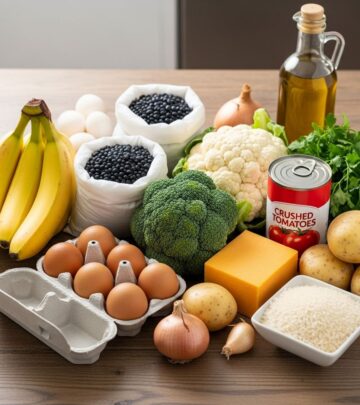
Dried beans cost 3x less than canned with superior taste. Soak overnight or quick-boil 1 minute then rest 1 hour. Simmer 1-2 hours with onion, garlic, bay leaf until tender, adding salt late. One pound yields 6 cups. Batch-cook and freeze. Varieties like black, pinto, chickpeas bulk salads, chilis, tacos—protein-packed frugality that trumps pricey convenience cans.
11. Rescue Burnt Food
Burnt bottoms don’t mean tossing the batch. For pots, add water, simmer to loosen crust, strain if gritty. Grated Parmesan masks burnt rice taste. Vinegar soaks lift stains. Quick action salvages meals, saving $10-20 per incident. Practice prevents repeats, turning mishaps into money-savers for the frugal cook.
12. Store Fresh Herbs
Herbs enhance flavors cheaply but wilt fast. Chop parsley/cilantro, mix with oil, freeze in cubes. Wrap rosemary/thyme in damp paper towel in bags. Root basil in water like flowers. These tricks mimic $5 herb packs for weeks from $1 bunches, flavoring dishes without waste.
13. Cook from Scratch: Bread
Homemade bread costs 50 cents per loaf versus $4 store-bought. Mix flour, yeast, salt, water; knead 10 minutes, rise 1-2 hours, bake 30-40 minutes at 450°F. No-knead versions simplify. Sourdough starters multiply free. Fresh loaves for sandwiches, toast—wholesome savings you control.
14. Cook from Scratch: Pasta
Fresh pasta uses flour, eggs, salt—15 cents per pound. Mix dough, rest, roll thin, cut. Boil 2-3 minutes. Flavors like spinach puree add variety. Dries for storage. Pairs with sauces from pantry staples, slashing $2/box costs while delighting with texture.
15. Simple Salad Dressings
Ditch $4 bottles: whisk oil, vinegar/acid, mustard, honey, salt. Ratios 3:1 oil to acid. Variations: balsamic, lemon-tahini. Emulsify for creaminess. Uses pantry odds, dressing salads, marinades—frugal flavor boost without shopping.
16. Regrow Kitchen Scraps
Regrow green onions, celery hearts, garlic in water or soil. Scallions root in glasses; lettuce bases sprout leaves. Free produce cycles from scraps reduce seed/plant buys. Sustainable, fun way to multiply veggies endlessly.
Frugal Kitchen Skills Benefits Comparison
| Skill | Weekly Savings | Waste Reduced | Meals Served |
|---|---|---|---|
| Roast Chicken | $10-15 | High (uses carcass) | 4-6 |
| Cook Beans | $5-8 | Medium | 6+ |
| Homemade Bread | $7-10 | Low | 1 week |
| Regrow Scraps | $3-5 | High | Ongoing |
Frequently Asked Questions (FAQs)
Q: How much can I save mastering these skills?
A: Families report $50-100 monthly grocery savings by cooking from scratch, reducing waste, and buying bulk basics like beans and rice.
Q: What’s the best starter skill for beginners?
A: Boiling eggs or cooking rice—simple, quick, and build confidence for more complex techniques like roasting chicken.
Q: Can these skills work for large families?
A: Absolutely; batch cooking beans, rice, stock scales easily, feeding more for pennies per serving.
Q: How do I store leftovers safely?
A: Cool quickly, portion into airtight containers, refrigerate within 2 hours, consume in 3-4 days or freeze.
Q: Are there tools I need?
A: Basics suffice: sharp knives, pots, cutting board. Invest gradually; skills matter more than gadgets.
References
- 16 Simple Kitchen Skills Every Frugal Person Should Master — Wise Bread. 2015-06-12. https://www.wisebread.com/16-simple-kitchen-skills-every-frugal-person-should-master
- USDA FoodKeeper App Guidelines — United States Department of Agriculture. 2023-10-01. https://www.foodsafety.gov/keep-food-safe/foodkeeper-app
- Food Cost Savings from Home Cooking — U.S. Bureau of Labor Statistics Consumer Expenditure Survey. 2024-09-11. https://www.bls.gov/cex/
- 31 Essential Kitchen Tools All Frugal Cooks Need — Wise Bread. 2014-11-05. https://www.wisebread.com/31-essential-kitchen-tools-all-frugal-cooks-need
- Knives: Selection, Care, and Maintenance — FDA Food Code. 2022-07-20. https://www.fda.gov/food/fda-food-code/food-code-2022
Similar Articles








Read full bio of Sneha Tete