15 Things to Do Today to Prepare for Pandemic Flu
Essential steps to safeguard your family and home against a potential flu pandemic—act now for peace of mind tomorrow.
A pandemic flu outbreak can strike unexpectedly, disrupting daily life, overwhelming healthcare systems, and requiring self-reliance for extended periods. Drawing lessons from past events like COVID-19, proactive preparation ensures you can protect your health, maintain essential services, and support your loved ones without panic. This guide outlines 15 actionable steps to fortify your readiness today, emphasizing household preparedness for isolation, supply shortages, and infection prevention.
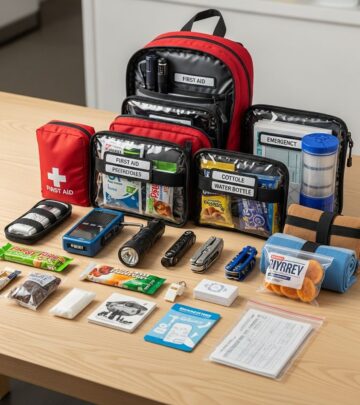
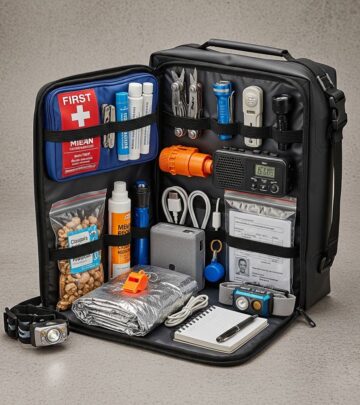
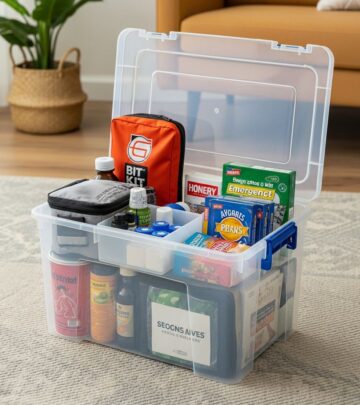
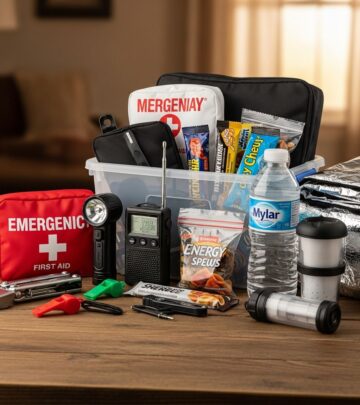
1. Review and Update Your Emergency Kit
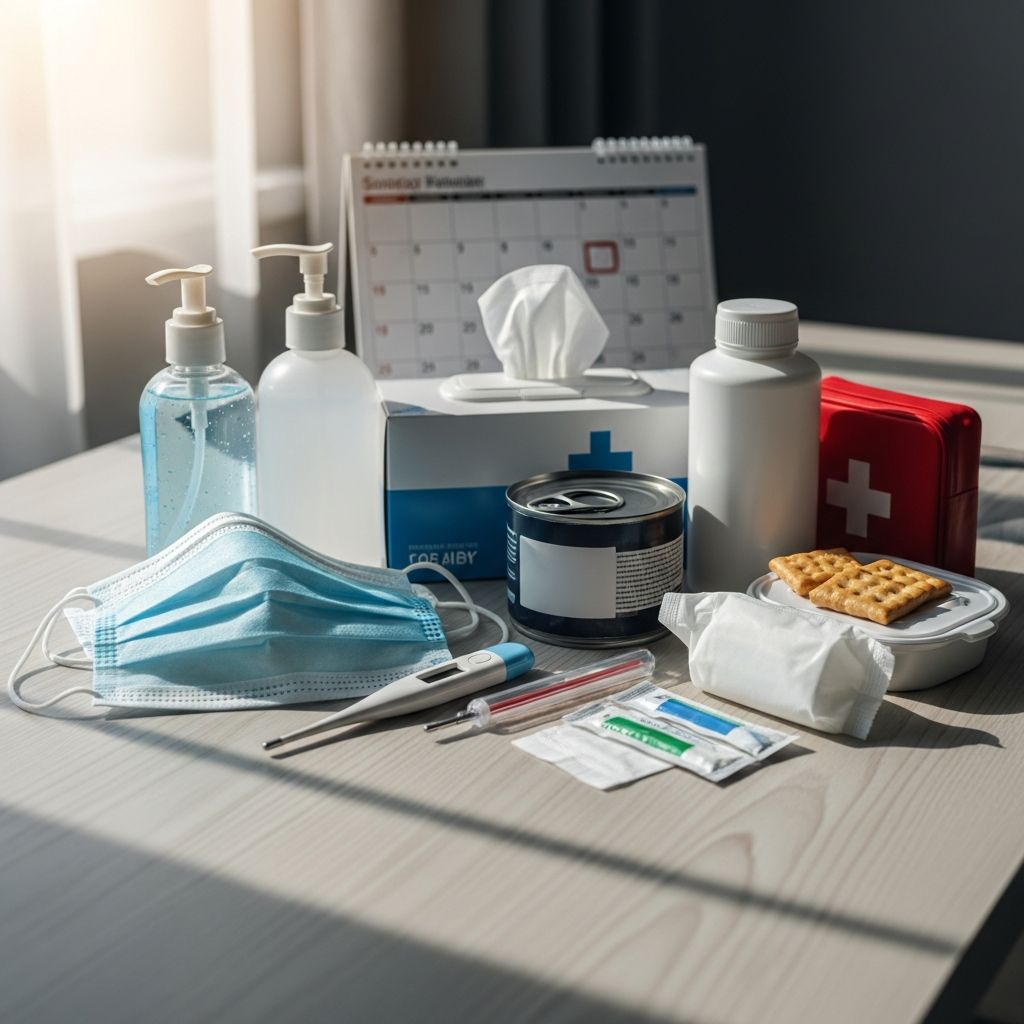
Your emergency kit is the cornerstone of pandemic preparedness. Stock it with at least two weeks’ worth of non-perishable food, water (one gallon per person per day), medications, and first-aid supplies to cover self-isolation periods when shopping or seeking medical help becomes risky. Include pandemic-specific items like extra hand sanitizer, N95 or surgical masks, thermometers, and copies of vital documents such as insurance papers and prescriptions. Regularly check expiration dates on items like batteries, canned goods, and medications, rotating stock to keep everything fresh.
- Water: 1 gallon/person/day for 14 days minimum.
- Food: Canned goods, energy bars, dried fruits—easy to prepare without cooking.
- Medications: Extra prescriptions; consult your doctor for supply extensions.
- Hygiene: Soap, sanitizer, toilet paper, feminine products.
For families, tailor the kit to children’s needs with formula, diapers, and comfort items. Government guides stress that pandemics differ from short-term disasters, requiring sustained supplies.
2. Stock Up on Non-Perishable Foods
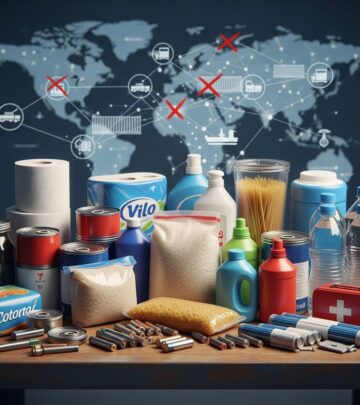
Anticipate supply chain disruptions by building a pantry with 2-4 weeks of shelf-stable foods. Focus on nutritious options like rice, beans, pasta, canned vegetables, proteins, and peanut butter that require minimal preparation. Avoid relying solely on perishables; include a manual can opener and consider dietary restrictions for all household members.
Pandemic scenarios may limit grocery access, so buy in phases to avoid waste. Lessons from COVID-19 highlight the value of diverse, calorie-dense foods to sustain energy during stress. Create a shopping list and store items in cool, dry places, labeling with purchase dates.
3. Ensure Adequate Water Supply
Water is critical for hydration, cooking, and hygiene. Store at least 14 gallons per person, using food-grade containers rotated every six months. If utilities fail, have purification tablets or a filter system ready. Boiling water for one minute kills most pathogens, a key tip from emergency protocols.
4. Gather Prescription Medications and Medical Supplies
Contact your pharmacist or doctor to secure a 30-day extra supply of prescriptions. Include over-the-counter remedies like pain relievers, antacids, cough syrup, and allergy meds. A well-stocked first-aid kit should have bandages, antiseptics, gloves, and a thermometer to monitor fevers indicative of flu symptoms.
5. Create a Family Emergency Plan
Develop a written plan detailing communication methods, evacuation routes (if needed), and roles for each member. Designate an out-of-area contact for updates and practice scenarios like self-isolation. Include care plans for pets and vulnerable family members. Official guides recommend documenting medical info and emergency contacts on laminated cards.
6. Practice Good Hand Hygiene
Handwashing reduces infection risk by 20-30%. Wash with soap for 20 seconds, covering all surfaces, especially after touching public items. Use sanitizer (60%+ alcohol) when soap isn’t available. Teach children the proper technique: wet hands, lather, scrub backs, between fingers, under nails, rinse, dry.
- Wash before eating, after bathroom use, coughing/sneezing.
- Avoid touching eyes, nose, mouth.
7. Stock Cleaning and Disinfecting Supplies
Cleaning prevents surface transmission. Stock bleach (dilute 1/3 cup per gallon water), disinfecting wipes, multi-surface cleaners, and trash bags. Clean high-touch areas like doorknobs, phones, keyboards daily. Disinfect after illness: first clean dirt, then apply disinfectant for 10 minutes.
8. Maintain Physical Health
A strong immune system fights illness better. Eat balanced meals with fruits, vegetables, proteins; aim for 7-9 hours sleep nightly; exercise 30 minutes daily like walking or yoga. Avoid smoking and limit alcohol. Pandemic stress amplifies needs, so prioritize these habits pre- and during outbreaks.
9. Stay Informed from Reliable Sources
Monitor updates from CDC, WHO, or local health departments via apps or alerts. Avoid misinformation; verify symptoms, testing sites, and guidelines. Evolving advice requires vigilance—public health evolves with data.
10. Know When to Wear Masks
Masks block respiratory droplets. Use N95/KN95 for high-risk; cloth for general. Wear in public if directed, fitting snugly over nose/mouth. Surgical masks suffice for source control. Dispose after use; don’t reuse unless specified.
11. Prepare Financially
Have cash on hand for ATMs that may fail; pay bills early. Build an emergency fund covering 3-6 months expenses. Review insurance for pandemic coverage. Economic disruptions from worker absences hit hard.
12. Plan for Childcare and Work
Schools may close; arrange backup care. Discuss remote work with employers. Stock educational materials for home learning.
13. Secure Pet Supplies
Two weeks’ pet food, meds, litter. Include leashes, carriers for evacuation. Pet-friendly plans prevent abandonment.
14. Improve Home Ventilation
Open windows, use fans, HEPA filters to reduce airborne spread. Avoid central AC recirculation if possible.
15. Build a Support Network
Connect with neighbors for mutual aid: sharing supplies, checking on elderly. Community resilience amplifies individual efforts.
Frequently Asked Questions (FAQs)
Q: How long should pandemic supplies last?
A: Aim for 2-4 weeks to cover peak isolation, per government guides.
Q: What if I can’t afford extra supplies?
A: Prioritize gradually; start with water, food staples. Use community resources.
Q: Are cloth masks effective?
A: They reduce droplets but less than N95; layer for better filtration.
Q: How to store water long-term?
A: Use sealed plastic; replace every 6 months; add bleach for longevity.
Q: What are early flu symptoms?
A: Fever, cough, fatigue; isolate and test promptly.
Pandemic vs. Other Disasters
| Aspect | Pandemic Flu | Earthquake |
|---|---|---|
| Duration | Weeks to months | Days |
| Threat | Infection spread | Structural damage |
| Supplies Needed | Food, meds, hygiene | Water, shelter, tools |
This table highlights why pandemic prep emphasizes health over shelter.
References
- Household Preparedness Guide — PreparedBC, Government of British Columbia. 2023. https://www2.gov.bc.ca/assets/gov/public-safety-and-emergency-services/emergency-preparedness-response-recovery/embc/preparedbc/preparedbc-guides/preparedbc_pandemic_guide.pdf
- Improving Pandemic Preparedness: Lessons From COVID-19 — Council on Foreign Relations. 2020-10-29. https://www.cfr.org/task-force-report/improving-pandemic-preparedness/recommendations
Similar Articles








Read full bio of medha deb