15 Things in Your Kitchen You Should Throw Out Today
Declutter your kitchen by tossing expired food, unused gadgets, and countertop clutter to reclaim space and save money.
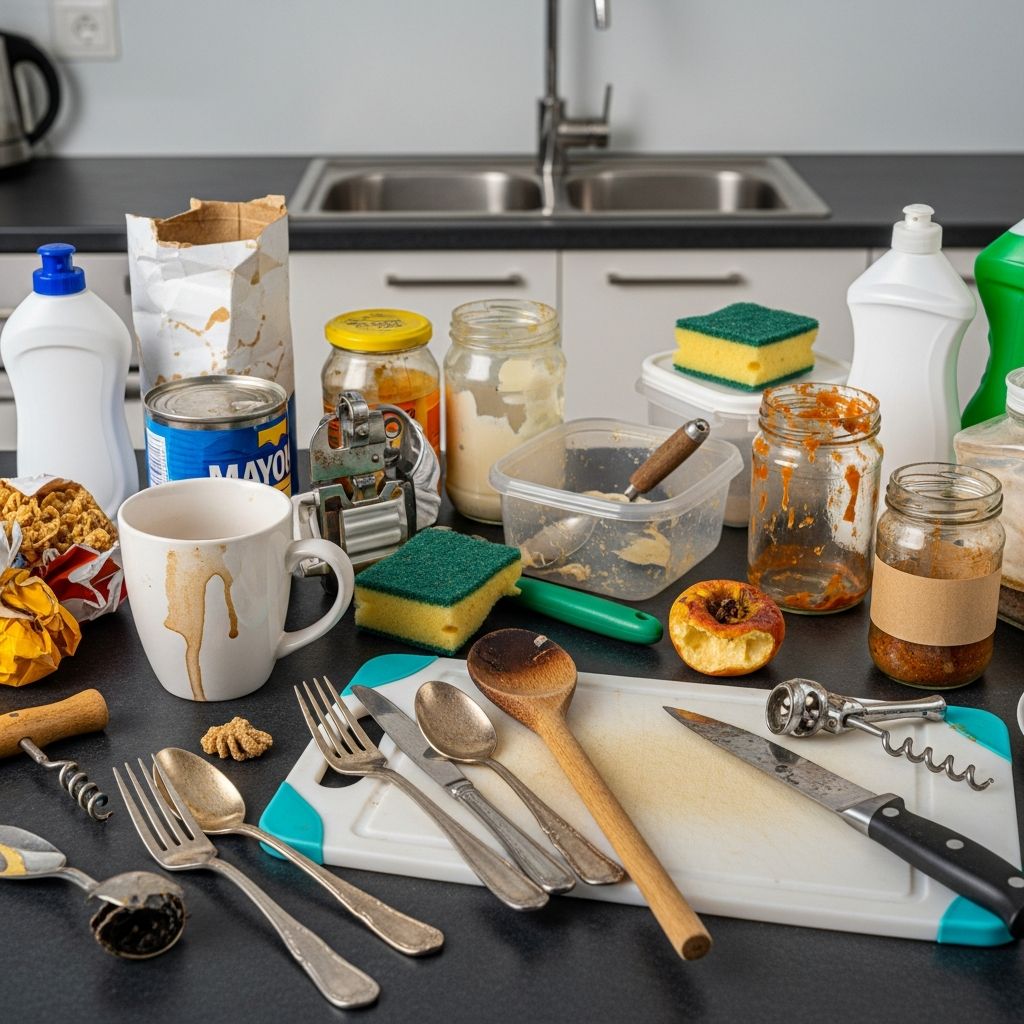
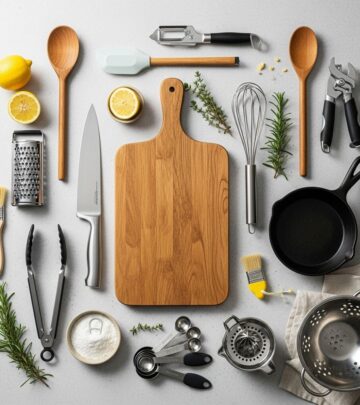
Kitchen clutter takes many forms—expired food lurking in the pantry, gadgets collecting dust in drawers, and appliances hogging precious countertop real estate. These items not only waste space but can pose health risks or drain your budget through inefficiency. By identifying and discarding the right things, you can create a more functional, hygienic kitchen that makes cooking enjoyable rather than overwhelming. This guide covers 15 common culprits, explaining why to toss them and what to replace them with for long-term savings and sanity.
1. Sponge
The humble kitchen sponge seems indispensable, but it’s a breeding ground for bacteria. Studies show sponges harbor more germs than toilet seats, with E. coli and salmonella thriving in its moist environment. After just one week, a sponge can contain over 50 billion bacteria cells. Rather than disinfecting endlessly, replace it weekly or switch to reusable silicone scrubbers or Swedish dishcloths that can be washed in the dishwasher.
- Why toss: Extreme bacterial growth leads to cross-contamination.
- Replacement: Dish brushes or microfiber cloths for under $5.
- Tip: Microwave damp sponges for 1 minute to kill 99% of bacteria temporarily, but still replace regularly.
2. Meat Mallet
Unless you’re pounding chicken cutlets weekly, that meat mallet is just taking up drawer space. Most home cooks rarely use it, and when they do, a rolling pin or heavy pan works just as well. Free up room for essentials and avoid the hassle of cleaning its textured surface, which traps meat juices and bacteria.
- Why toss: Infrequent use; easy substitutes available.
- Replacement: Use a wine bottle or cast-iron skillet.
- Pro tip: Donate to a friend who hosts frequent barbecues.
3. Old Plastic Storage Containers
Cracked, stained, or lid-less plastic containers are magnets for odors and stains. Over time, they leach chemicals into food, especially when microwaved. The FDA warns that warped plastics can release BPA or phthalates. Sort through your collection and keep only matching sets in good condition; recycle the rest at your local facility.
- Why toss: Health risks from chemical leaching and poor sealing.
- Replacement: Glass Pyrex or silicone lids for durability.
- Declutter hack: Stack by size and pitch anything without a mate.
4. Panini Press
That bulky panini press promised gourmet sandwiches but likely sits unused. A hot skillet with a foil-wrapped brick or heavy pan achieves the same crispy results without the storage headache. Countertop space is premium—reclaim it for daily prep.
- Why toss: Rarely used; simple alternatives exist.
- Replacement: Nonstick skillet and weight for perfect presses.
- Savings: Avoids $50+ gadget purchases in the future.
5. Old Dried Spices
Spices lose potency after 1-3 years, turning your curry bland and wasting money. Check by rubbing between fingers—if no aroma, it’s gone. The average American tosses $100 worth of spices yearly. Buy in small quantities and store in cool, dark places.
- Why toss: No flavor, potential mold in humid climates.
- Replacement: Fresh bulk buys from grocery stores.
- Test: Taste a pinch; if bitter or dull, out it goes.
6. Bread Maker
Bread makers gather dust after the novelty wears off. Homemade bread is rewarding, but weekly baking is rare for most. Hand-kneading or no-knead recipes yield better loaves with zero equipment. Sell yours online for quick cash.
- Why toss: Unused appliance cluttering cabinets.
- Replacement: Dutch oven for artisan bread.
- Bonus: Frees up electricity and maintenance time.
7. Jigger
The double-sided jigger is bartender chic, but for home use, measuring cups suffice. It’s fiddly for everyday cocktails and takes drawer space. Unless you’re mixing martinis nightly, simplify with standard spoons and cups.
- Why toss: Imprecise for casual use; alternatives accurate enough.
- Replacement: 1/4 cup for 2 oz shots.
- Fun fact: Pros eyeball pours—practice for precision.
8. Expired Canned Food
Cans don’t last forever. Bulging, dented, or rusty ones are botulism risks. Even intact cans past “best by” dates lose nutrition and safety after 2-5 years. The USDA advises inspecting seals and donating near-expiry to food banks.
- Why toss: Foodborne illness danger.
- Replacement: Stock low-acid canned goods like beans first.
- Check: Deeply dented? Pitch immediately.
9. Duplicate Utensils
Multiple spatulas, tongs, or whisks? Keep one good set per type. Duplicates lead to drawer chaos and forgotten items that rust or break. A streamlined utensil drawer improves efficiency tenfold.
- Why toss: Redundant clutter slows you down.
- Replacement: High-quality silicone or stainless steel sets.
- Organize: Drawer dividers for easy access.
10. Chipped or Cracked Dishes
Chipped plates harbor bacteria in crevices and look unappealing. Sharp edges risk cuts. Replace with matching sets from thrift stores for pennies. A uniform stack motivates better table settings.
- Why toss: Hygiene issues and safety hazards.
- Replacement: Corelle or stoneware for shatter resistance.
- Upgrade: Mix patterns for personality without excess.
11. Single-Use Gadgets
Avocado slicers, egg separators, strawberry hullers—these solve problems you face once a year. A paring knife handles them all. Studies show gadget overload increases kitchen stress.
- Why toss: Infrequent need; multi-tools better.
- Replacement: Sharp knives and creativity.
- Rule: If used less than monthly, reconsider.
12. Old Cutting Boards
Deep grooves in plastic or warped wood trap bacteria. The CDC recommends replacing when scarred. Opt for reversible bamboo or end-grain that self-heals.
- Why toss: Cross-contamination risk.
- Replacement: Color-coded boards for meat/veggies.
- Clean: Sanitize with bleach solution weekly.
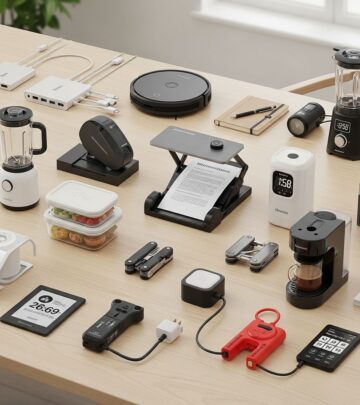
13. Countertop Appliances You Don’t Use Daily
Blenders, toasters, coffee makers—if not used every day, store or sell. Counter clutter affects mood and workflow. Rotate seasonally if needed.
- Why toss: Visual and physical clutter.
- Replacement: All-in-one immersion blenders.
- Goal: Bare counters except for essentials.
14. Fossilized Pantry Staples
Ancient flour, cornmeal, or baking powder that’s clumped or infested. Bugs love grains; toss at first sign. FIFO (first in, first out) rotation prevents this.
- Why toss: Spoilage and pests.
- Replacement: Airtight glass jars.
- Freeze: New flour for 48 hours to kill eggs.
15. Mismatched or Rusty Bakeware
Rusty muffin tins or bent trays conduct heat poorly and flake metal into food. Uniform bakeware ensures even cooking. Thrift for affordable upgrades.
- Why toss: Poor performance, health risks.
- Replacement: Silicone mats or USA Pan aluminized steel.
- Maintenance: Hand wash to extend life.
Benefits of a Decluttered Kitchen
Tossing these 15 items can save hours weekly, reduce stress, and cut grocery waste by 20%. A minimalist kitchen promotes healthier cooking and better organization. Start small—one drawer at a time—and enjoy the transformation.
| Item Tossed | Space Saved | Health Benefit | Cost Savings |
|---|---|---|---|
| Sponge | Counter space | Reduces bacteria | $2/month |
| Old Spices | Cabinet shelf | Fresher flavors | $50/year |
| Unused Gadgets | Drawers/cabinets | Less clutter | $100+ resale |
Frequently Asked Questions (FAQs)
What if I think I might use it someday?
Apply the one-year rule: If untouched in 12 months, donate or discard. Kitchens evolve; today’s ‘maybe’ is tomorrow’s clutter.
Is it wasteful to throw out good items?
Not if they hinder efficiency. Donate usable food/gadgets to shelters; recycle plastics responsibly to minimize impact.
How often should I declutter my kitchen?
Quarterly deep cleans, plus monthly pantry checks. Seasonal refreshes align with holidays.
What’s the best storage for keepers?
Clear bins, labels, and vertical space. Invest in pull-out shelves for accessibility.
Can decluttering save money?
Yes—fewer duplicates mean smarter buys, less waste, and easier meal planning.
References
- Sponge Bacteria Study — National Center for Biotechnology Information (NCBI). 2017-10-17. https://www.ncbi.nlm.nih.gov/pmc/articles/PMC5684107/
- Food Code: Canned Goods Safety — U.S. Food and Drug Administration (FDA). 2022-05-01. https://www.fda.gov/food/fda-food-code/food-code-2022
- Cutting Boards and Cross-Contamination — Centers for Disease Control and Prevention (CDC). 2023-08-15. https://www.cdc.gov/foodsafety/food-poisoning.html
- Spice Shelf Life Guidelines — United States Department of Agriculture (USDA). 2021-11-10. https://www.fsis.usda.gov/food-safety/safe-food-handling-and-preparation/food-safety-basics/spices
- Plastic Food Storage Safety — FDA. 2024-03-20. https://www.fda.gov/food/food-ingredients-packaging/packaging-food-contact-substances-fcs
Similar Articles








Read full bio of medha deb