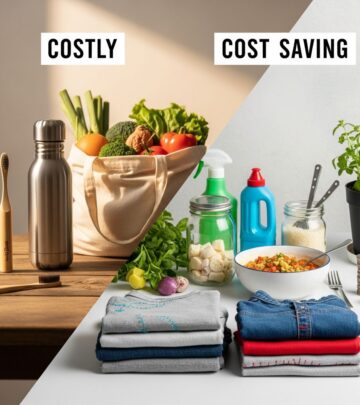
15 Reusable Essentials That Add Up To Big Savings
Swap disposables for these 15 reusable must-haves to slash household costs and reduce waste over time.
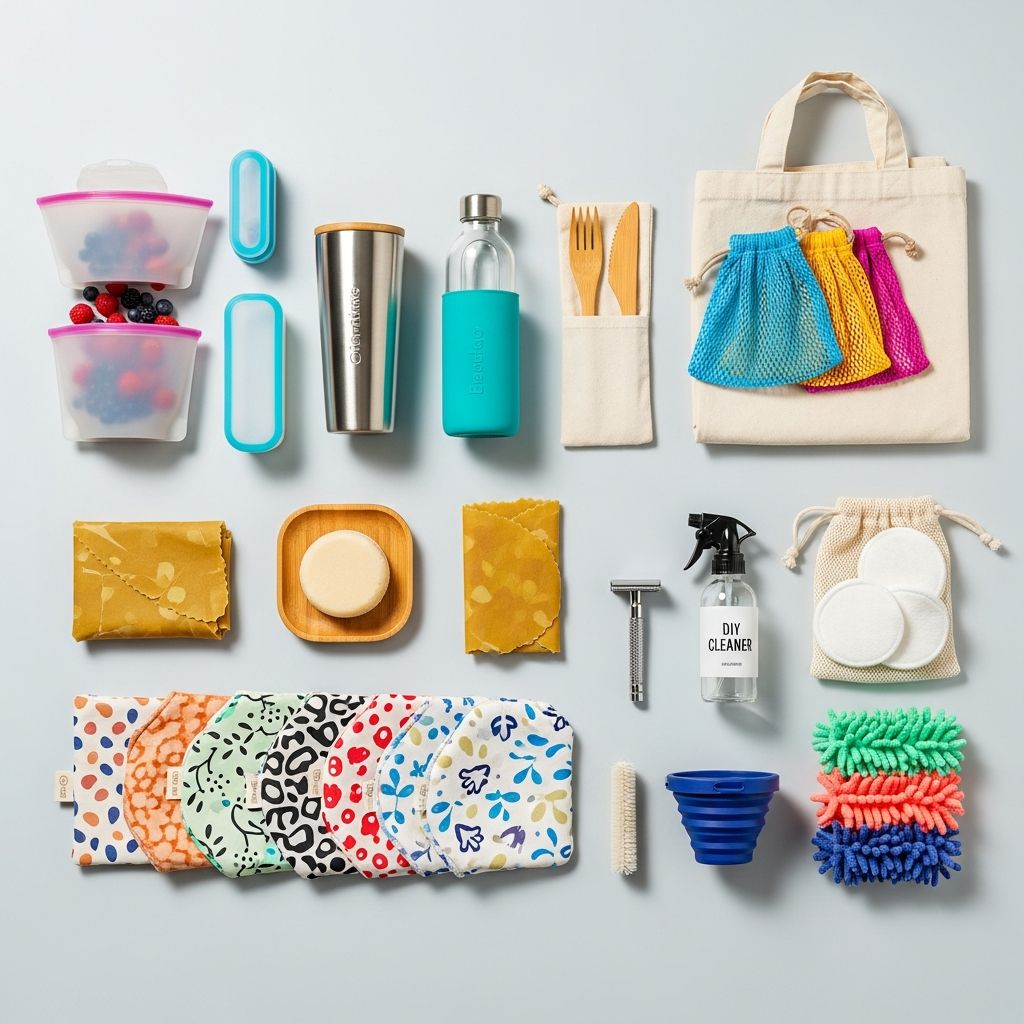
Disposable products dominate modern households, from paper towels to single-use coffee pods, but they come at a steep recurring cost. Switching to reusable alternatives can dramatically reduce expenses while cutting down on waste. This guide covers 15 reusable essentials that deliver substantial savings over time, based on real-world usage patterns and cost comparisons. Each item is selected for its durability, versatility, and proven money-saving potential.
By investing upfront in quality reusables, households can save hundreds annually. For instance, studies on sustainable consumption show that reusable items often pay for themselves within months through avoided purchases. Let’s dive into these game-changing swaps.
1. Wool Dish Sponges
Wool dish sponges are a standout reusable essential, made from natural wool that naturally resists bacteria and odors. Unlike synthetic sponges that harbor germs and need frequent replacement, wool versions last up to a year with proper care.
- Cost savings: A pack of disposables costs $5-10 monthly; one wool sponge ($10-15) lasts 12 months, saving $60+ yearly.
- Care tips: Rinse after use, air dry, and machine wash occasionally. No harsh chemicals needed.
- Versatility: Scrubs pots, glasses, and counters without scratching surfaces.
Users report they clean better than disposables due to lanolin’s natural antimicrobial properties, making them ideal for eco-conscious kitchens.
2. Cloth Napkins
Ditch paper napkins that pile up in landfills and budgets. Cloth napkins, often cotton or linen, offer elegance and reusability for daily meals.
- Savings breakdown: Paper napkins cost $20-50/year per person; a set of 12 cloth ($20-30) lasts years, saving $200+ for a family of four.
- Maintenance: Toss in the laundry with towels; they soften over time.
- Bonus: Customizable sizes and patterns elevate dining without extra cost.
Perfect for families, they reduce laundry bulk minimally while promoting mindful consumption.
3. Swedish Dishcloths
These cellulose-based cloths combine the absorbency of a sponge with the thinness of a paper towel, lasting 6 months or more.
- Why they save: Replace 17 rolls of paper towels ($15-20); a 6-pack ($15) covers months, netting $50+ savings.
- Features: Biodegradable, dishwasher-safe, and color-coded for tasks like counters or baths.
- Pro tip: Soak in vinegar for deep cleaning.
Compostable at end-of-life, they bridge disposable habits with sustainability seamlessly.
4. Euro Scrubbies
100% cotton scrubbers tackle tough grime on dishes, appliances, and glass without wear.
- Longevity: Lasts years; dishwasher and bleach-safe for sanitizing.
- Savings: Replaces synthetic sponges ($30/year); one scrubby ($5-10) pays off immediately.
- Uses: Ovens, stainless steel, even outdoor furniture.
Their non-scratch texture preserves surfaces longer than abrasives.
5. Reusable Straws
Glass or stainless steel straws eliminate plastic waste and constant repurchases.
- Durability: Dishwasher-safe; won’t shatter easily due to thick builds.
- Cost edge: $20 set lasts indefinitely vs. $1/pack disposables ($50/year).
- Styles: Colors and shapes for fun, family use.
Great for beverages, smoothies, and kids’ drinks.
6. Reusable K-Cups
For coffee lovers, refillable K-Cups cut pod expenses without sacrificing convenience.
- Savings: Pods cost $0.50-0.70 each; reusables ($15) drop to $0.10/cup using bulk grounds, saving $200/year.
- Compatibility: Works with most Keurig machines; easy-fill design.
- Eco-win: Reduces 300+ pods per person annually.
Fresh grounds mean better taste too.
7. Wool Dryer Balls
These natural balls shorten drying times and soften clothes sans chemicals.
- Performance: Up to 1,000 loads (2-5 years); cut dry time 25%.
- Savings: $20 set vs. dryer sheets ($50/year) plus energy bills ($100+).
- Benefits: No scent residue; safe for wool allergies.
Separate clothes for even drying.
8. Reusable Produce Bags
Mesh bags replace single-use plastic for groceries, preventing mold.
- Features: Machine-washable, mold-resistant.
- Savings: Free bags add up; set ($15) lasts years.
- Sizes: Varied for produce, bulk items.
Many stores now charge for plastics, amplifying value.
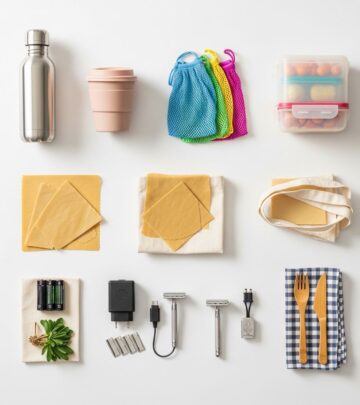
9. Beeswax Wraps
Natural alternative to plastic wrap for food storage.
- How-to: Warm with hands to mold; wash with cool water.
- Lifespan: 1 year+; $20 set replaces $50 in wraps.
- Uses: Cheese, bread, bowls.
Breathable to extend freshness.
10. Reusable Shopping Bags
Sturdy totes hold heavy loads, avoiding bag fees.
- Capacity: Collapsible, car-trunk friendly.
- Savings: 10¢/bag adds up; $20 set pays off fast.
Keep in car for impulse buys.
11. Silicone Lids
Stretchable covers fit any bowl, no more foil waste.
- Set savings: $15 replaces endless saran ($40/year).
- Heat-safe: Microwave, freezer, dishwasher.
Leak-proof for transport.
12. Reusable Water Bottle
Insulated bottles keep drinks perfect, ditching bottled water.
- Hydration savings: $1.50/bottle x 2/day = $1000/year.
- Options: Stainless steel for temperature control.
Track intake with markings.
13. Cloth Produce Bags
Wait, expanding on mesh: Organic cotton for delicate fruits.
- Breathable: Reduces spoilage.
- Savings: Less food waste = grocery wins.
14. Reusable Sandwich Bags
Leakproof zippers for lunches, snacks.
- Durable: $20 set vs. $100 Ziplocs/year.
Wash inside-out.
15. Fleece Dusters
Electrostatic cloths grab dust without sprays.
- Washable: Reusable hundreds of times.
- Savings: Beats Swiffer refills ($30/year).
Great for blinds, fans.
Cost Savings Table
| Item | Upfront Cost | Annual Disposable Cost | Year 1 Savings |
|---|---|---|---|
| Wool Sponge | $12 | $72 | $60 |
| Cloth Napkins | $25 | $150 | $125 |
| Dryer Balls | $20 | $150 | $130 |
| Total (All 15) | ~$250 | ~$1200 | ~$950 |
Average household saves $500-1000/year adopting these.
Frequently Asked Questions (FAQs)
Do reusable items really save money long-term?
Yes, most pay off in 3-6 months. A study by The Penny Hoarder compared reusables like K-Cups and dryer balls, finding significant savings over disposables.
Are they hygienic?
Absolutely—dishwasher-safe options and natural antimicrobials ensure cleanliness superior to disposables.
How to maintain reusables?
Wash as directed; air dry. Most last 1-5 years with care.
Best for beginners?
Start with dishcloths and napkins—low cost, high impact.
Environmental benefits?
Reduces landfill waste by thousands of items yearly per household.
References
- 15 Reusable Essentials That Add Up To Big Savings — The Penny Hoarder. 2023. https://www.thepennyhoarder.com/save-money/15-reusable-essentials-that-add-up-to-big-savings/
- 9 PRODUCT SWAPS I made to SAVE money + REDUCE clutter — YouTube (Frozen Pennies). 2023. https://www.youtube.com/watch?v=VOEgfgF0phk
- 9 Purse Essentials Boomer Women Never Leave Home Without — VegOut Mag. 2024. https://vegoutmag.com/lifestyle/z-bt-9-purse-essentials-boomer-women-never-leave-home-without-that-younger-women-find-absolutely-bizarre/
- Our Unscientific Study Discovered the Cheaper Option — The Penny Hoarder (YouTube). 2019-10-23. https://www.youtube.com/watch?v=cwaZeWH3rn8
- Tips for a Greener Wallet and Planet — Mercer Belong. 2023. https://uat10-10.mercerbelong.com/news-library/core-2305-tips-for-a-greener-wallet-and-planet
Similar Articles








Read full bio of medha deb