14 Things to Do When You Move to a New Town
Essential guide to settling in and building community in your new hometown.
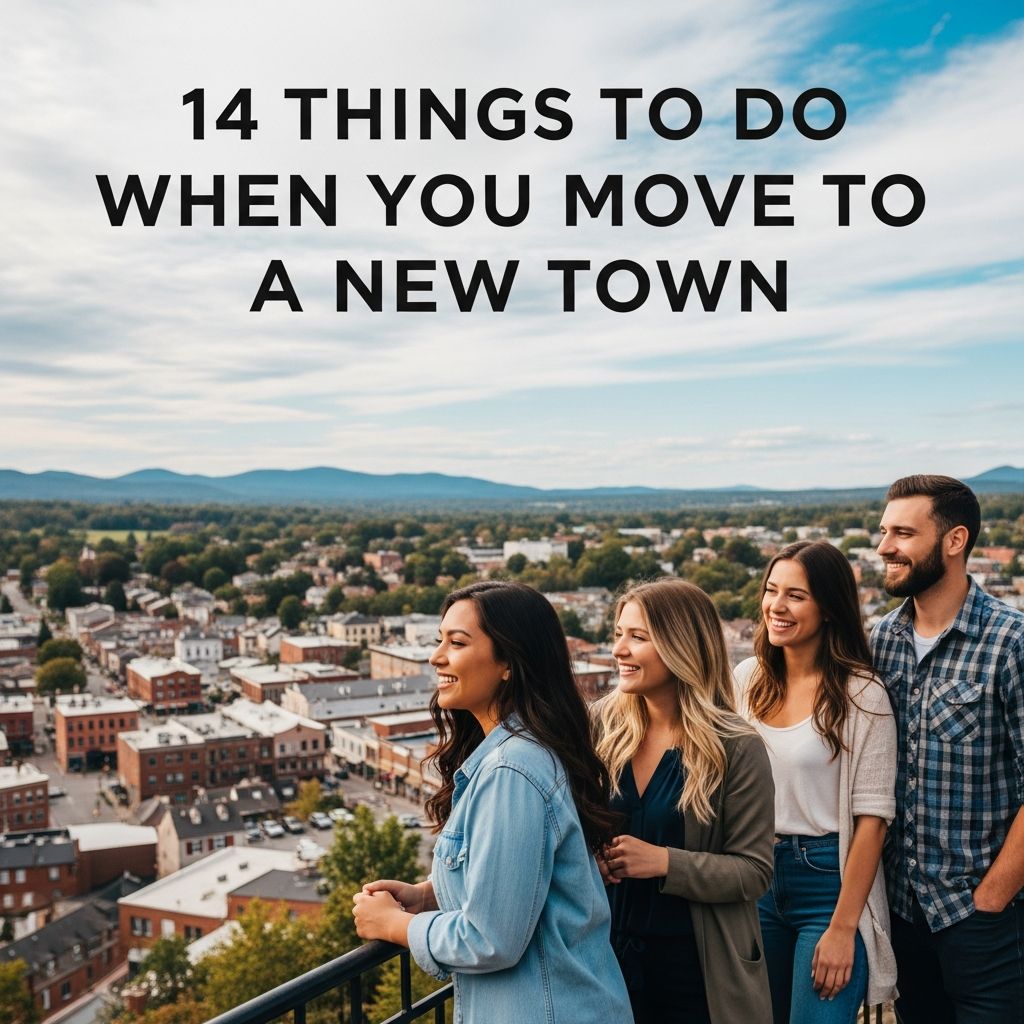
Moving to a new town is an exciting adventure, but it can also feel overwhelming. Beyond the physical demands of packing and unpacking, you face the challenge of establishing an entirely new life in an unfamiliar place. This process requires significant time, energy, and financial resources. To help ease your transition and get you settled faster, here’s a comprehensive guide to the essential tasks and activities you should prioritize when relocating to a new community.
Handle Your Vehicle Registration and Driver’s License
One of the first administrative tasks you’ll need to tackle is updating your identification and vehicle registration. While visiting the Department of Motor Vehicles (DMV) isn’t anyone’s favorite activity, it’s a necessary step if you’re moving to a new state. You’ll need to obtain a new driver’s license and register your vehicle with your new state’s licensing authority. Addressing these requirements early in your relocation process typically makes the procedure smoother and ensures you’re compliant with state laws. Don’t delay this task—the sooner you complete it, the sooner you can move on to the more enjoyable aspects of settling in.
Learn Local Trash, Recycling, and Waste Management Rules
Every municipality has different schedules and policies regarding waste management. Before you accumulate unnecessary fines, take time to research your town’s specific regulations. Find out when trash and recycling collection days are scheduled, how to properly dispose of yard waste, whether you need permits for activities like yard sales, and any other local ordinances that affect your property. This information is usually available on your city or county’s official website or by contacting the local public works department. Understanding these details upfront demonstrates responsibility and helps you avoid costly violations.
Explore Your Neighborhood on Foot or by Bicycle
While driving through your new area gives you a general sense of the layout, exploring on foot or by bicycle provides a much more detailed perspective of your surroundings. This slower pace allows you to notice the small businesses, parks, cafes, and community features that make your neighborhood unique. Pay particular attention to the downtown area, as this is typically where you’ll find the essential businesses and services you’ll frequent regularly as a resident. Walking or cycling also helps you identify safe routes, discover shortcuts, and get a genuine feel for the community’s character. Plus, you might meet neighbors along the way, creating natural opportunities for introductions.
Visit the Local Visitor’s Center
Tourist and visitor centers are invaluable resources that many new residents overlook. These centers maintain comprehensive collections of information about your town, including brochures, flyers, maps, and coupons for popular restaurants, hotels, attractions, and activities. Stop by early in your relocation process and gather hard copies of these materials for your personal reference. This information will help you familiarize yourself with the area quickly and provide useful resources for future guests who visit your new home. The staff at visitor centers can also answer specific questions about local events, attractions, and services you might not find online.
Dine Out and Meet the Local Service Industry
During your first few weeks in a new town, your kitchen will likely be in disarray with boxes stacked everywhere. This is actually the perfect time to explore local restaurants rather than fighting the chaos at home. Dining out serves multiple purposes: it provides you with meals during a hectic period, introduces you to the local food scene, and gives you opportunities to meet people in your community. Make an effort to remember your servers’ names—you might jot down their names along with identifying characteristics in your phone’s notes app. This small gesture helps you build familiarity with local staff, and eventually, you can greet them by name when you return. These casual interactions contribute to feeling more connected to your community.
Check Out Local Bars and Entertainment Venues
Understanding where locals spend their free time is an excellent way to gauge your town’s overall vibe and meet residents who share your interests. Visit a few bars, live music venues, entertainment spots, and other popular gathering places. You don’t need to make this a regular habit if it’s not your lifestyle, but exploring these venues at least occasionally provides valuable insight into your community’s culture and the types of people who live there. You’ll get a genuine sense of the town’s personality and might discover entertainment options you genuinely enjoy.
Join Meetup Groups or Interest-Based Communities
If you’re moving to a new town without existing friends nearby, making new connections should be a priority. Online platforms like Meetup connect people with groups and activities aligned with their interests, providing an excellent starting point for building friendships. Whether you’re interested in brunch, dog lovers’ groups, outdoor adventures, trivia nights, book clubs, or professional networking, you’ll likely find established groups in your area. These communities make the transition significantly easier by providing built-in social circles and reducing feelings of isolation and loneliness that often accompany relocations.
Explore Recreational and Sports Leagues
Recreational and social sports leagues are among the best ways to integrate into your new community while maintaining an active lifestyle. These groups accomplish multiple goals simultaneously: they keep you physically active, provide structured social interaction, and introduce you to new people with shared interests. Beyond traditional sports like softball and volleyball, many communities now offer creative league options including dodgeball, bowling, cornhole, flag football, water polo, and basketball. Some areas also feature trivia leagues and other non-traditional sports competitions. The social atmosphere of these leagues creates natural friendship-building opportunities in a fun, low-pressure environment.
Get a Library Card and Explore Library Resources
Although library usage has declined over the years, having a local library card remains valuable for numerous reasons. You can borrow books, access free movies, use computers, and enjoy free Wi-Fi services—particularly helpful if your home internet isn’t yet connected. Libraries also serve as community gathering spaces and often host events, classes, and programs that can help you integrate into the local culture. Your local library is also an excellent resource for learning about community services, finding information about your town, and connecting with local programs.
Cross-Reference Your Social Media Friends
Before jumping into meeting entirely new people, check your existing social media connections to see who might already live in your area. Often, simply updating your status to announce your move will reveal acquaintances or friends who live nearby. This is an excellent starting point because you already have some online familiarity with each other, making initial connections easier and less awkward. These existing connections can serve as bridges to other friendships and help you feel less isolated during your initial settling-in period.
Ask for Recommendations and Introductions
If cross-referencing your social media connections doesn’t yield results, don’t hesitate to ask for recommendations and introductions generally. Reach out to friends, family members, and colleagues to ask if they know anyone in your new area. You’d be surprised how many people have visited, lived in, or have connections to your new town. People are often happy to make introductions or provide recommendations for businesses and services. Additionally, don’t overlook the potential of talking to neighbors, coworkers, and especially people in the service industry you encounter regularly. These individuals often have valuable local knowledge and can point you toward resources and social opportunities.
Join Community Groups and Organizations
Beyond sports leagues, numerous other groups and organizations exist in most communities where you can become involved. Consider joining church groups if you’re faith-oriented, professional associations related to your career, hobby clubs, volunteer organizations, support groups, or civic groups. These organizations provide structure for making friends, offer opportunities to contribute to your community, and help you feel more integrated into local society. The variety of available groups means almost everyone can find at least one that aligns with their interests and values.
Research Your New Town Like a Tourist
Once you’ve lived in your new city for several months, acting touristy might feel uncool. However, early in your relocation, embracing a tourist mindset allows you to discover local attractions and experiences you might otherwise miss. Take advantage of your initial excitement and enthusiasm for your new surroundings. Visit local museums, parks, and historic sites. Try signature dishes at local restaurants. Attend local festivals, parades, and community events. Not only will this help you feel more connected to your community, but it also provides excellent material for entertaining visiting friends and family members who want to experience your new hometown.
Connect With Your Neighbors
Building relationships with your immediate neighbors creates a sense of community and provides practical benefits. Take time to introduce yourself to people living near you—whether you’re in an apartment complex or a residential neighborhood. Strike up conversations, learn their names, and show genuine interest in your new community. Strong neighbor relationships can lead to helping each other with practical matters like package delivery, pet-sitting when you travel, keeping an eye on properties during absences, or borrowing supplies. These connections contribute significantly to your sense of belonging and security in your new town.
Handle Important Administrative Tasks
Beyond the DMV visit, several other administrative tasks require attention when relocating. These include updating your address with the United States Postal Service, registering to vote in your new location, obtaining renter’s insurance if you’re in an apartment or rental property, changing your address with banks and financial institutions, updating your information with insurance companies, and notifying subscription services and online accounts of your new address. Creating a checklist and checking off each item as you complete it helps ensure nothing falls through the cracks during the chaos of moving.
Frequently Asked Questions
Q: How long does it typically take to feel settled in a new town?
A: Most people report feeling reasonably settled within three to six months, though complete comfort with a new community can take a year or more. The timeline varies based on individual personality, the size of your community, and how actively you engage in the suggestions outlined in this guide. Those who proactively pursue social connections and explore their communities typically adjust faster than those who remain isolated.
Q: What if I’m introverted and uncomfortable with social activities?
A: While some of the suggestions emphasize social activities, many alternatives exist for building community connections. Consider joining online communities, taking classes or workshops, volunteering for causes you care about, or participating in one-on-one activities like hiking clubs or book clubs. You can also focus on deeper friendships with fewer people rather than broad social networking. The key is finding approaches that align with your personality while still making some effort to connect with your new community.
Q: Should I try to maintain friendships from my previous town?
A: Absolutely. Maintaining important relationships from your previous town is healthy and enriching. Modern technology makes it easy to stay connected through video calls, messaging, and social media. However, balance these existing relationships with efforts to build new friendships locally. You don’t need to choose between old and new friends—most people maintain multiple social circles across different locations.
Q: What’s the best way to find reliable service providers in a new town?
A: Ask neighbors, coworkers, and friends for recommendations for services like plumbers, electricians, doctors, dentists, and mechanics. Online review sites and local business directories also provide valuable information. The visitor center often has business listings as well. Getting recommendations from people who know the service providers gives you more confidence in quality and reliability than relying solely on online reviews.
Q: How do I find out about community events and activities?
A: Check your local newspaper’s website and events calendar, follow your city’s social media accounts, visit the visitor center, and join local Meetup groups and community Facebook pages. Many towns also have community calendars on their official websites. Subscribing to local newsletters and notifications ensures you stay informed about upcoming events and activities.
References
- 14 Things You Should Do When You Move to a New Town — Wise Bread. Accessed January 13, 2026. https://www.wisebread.com/14-things-you-should-do-when-you-move-to-a-new-town
- Moving to a New City Checklist — LeTourneau University. Accessed January 13, 2026. https://www.letu.edu/alumni/moving-checklist.html
- 15 Savvy Tips for a Smoother Move — Wise Bread. Accessed January 13, 2026. https://www.wisebread.com/15-savvy-tips-for-a-smoother-move
Similar Articles








Read full bio of Sneha Tete