13 Smart Ways To Cut Your Electric Bill Fast
Discover practical, tried-and-true strategies to cut your electric bill, boost your budget, and reach your financial goals faster.

Learning how to lower your electric bill is one of the simplest ways to free up extra money every single month. Instead of watching cash disappear into utility payments, you can redirect those dollars toward debt payoff, savings, and other financial goals.
With a few strategic changes, many households can realistically cut their electricity costs by 10% to 50% over time, especially if they have older appliances or inefficient heating and cooling systems. Even a modest reduction adds up to hundreds of dollars per year you can put to better use.
This guide walks through 13 practical, easy-to-implement tips based on the structure of Clever Girl Finance’s “How to Lower Electric Bill” article. You will learn how to spot energy waste, make your home more efficient, and use your savings to strengthen your overall finances.
Why lowering your electric bill matters for your money
Your electric bill is a recurring expense, and reducing recurring costs has an outsized impact on your long-term finances. Energy use in the residential sector makes up a significant share of household spending, especially for heating, cooling, and appliances. By trimming this bill, you are not just “saving a few dollars”—you are:
- Freeing up cash flow every month
- Building resilience against unexpected expenses
- Creating room in your budget for savings and investing
- Reducing your environmental impact at the same time
Even small changes to your home’s energy use can make a noticeable difference over the course of a year.
Top 13 ways to lower your electric bill
Use these 13 strategies as a checklist. You do not need to do everything at once. Start with the easiest changes, then layer in the rest over time.
1. Get an energy audit
An energy audit is a detailed assessment of how your home uses and loses energy. A professional auditor (often through your utility company) walks through your home, inspects key systems, and identifies where upgrades or repairs will deliver the biggest savings.
Depending on where you live, your electric or gas utility may offer:
- Free or low-cost audits for homeowners or renters
- Rebates for improvements like insulation or efficient HVAC equipment
- Discounted or complimentary items such as LED bulbs or smart thermostats
If you cannot get a professional visit, you can perform a DIY home energy audit using guidance from the U.S. Department of Energy (DOE). Their checklist covers finding air leaks, evaluating insulation, and reviewing heating and cooling systems.
2. Adjust your thermostat strategically
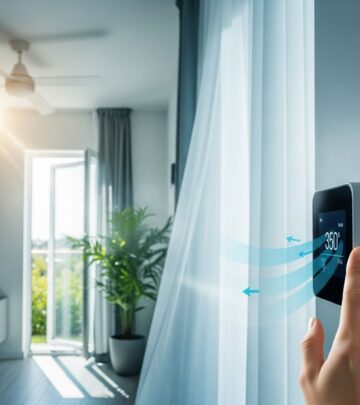
Your thermostat is one of the most powerful tools you have to lower your electric bill. Heating and cooling typically account for the largest share of home energy use.
According to the U.S. Department of Energy, you can save about 10% per year on heating and cooling costs by turning your thermostat back 7–10°F for 8 hours a day from its normal setting. For many households, that can be as simple as:
- Setting a lower temperature in winter (when you are asleep or away)
- Setting a higher temperature in summer during work hours
- Using a programmable or smart thermostat to automate these changes
Smart thermostats can learn your schedule and adjust temperatures automatically, helping you avoid wasting energy when no one is home.
3. Seal air leaks and improve insulation
Unsealed gaps around doors, windows, plumbing, and wiring allow conditioned air to escape and outside air to enter. Insufficient insulation in attics, walls, and floors means your heating and cooling systems must work harder to maintain a comfortable temperature.
The DOE recommends checking for drafts and sealing leaks with caulk, weatherstripping, and foam as part of a home energy audit. Improving insulation in older homes can significantly reduce heating and cooling needs.
Common problem areas include:
- Door thresholds and window frames
- Fireplace dampers
- Attic hatches and recessed lighting
- Gaps where pipes and cables enter the home
4. Use your HVAC system efficiently
Your heating, ventilation, and air conditioning (HVAC) system runs more efficiently when it is clean, tuned, and properly maintained. Basic steps to maximize efficiency include:
- Changing air filters regularly (often every 1–3 months, depending on your system and household)
- Scheduling annual maintenance for your furnace and air conditioner
- Ensuring vents and registers are not blocked by furniture, rugs, or clutter
- Using ceiling fans to improve air circulation and allow slightly higher summer temperature settings
Compared with older, poorly maintained systems, efficient HVAC operation can trim a meaningful portion of your energy use over the course of a season.
5. Reduce hot water usage
Heating water is another major contributor to household energy bills. The DOE notes that water heating is often the second-largest energy expense in a home, after heating and cooling.
To lower your hot water costs:
- Lower your water heater temperature to about 120°F (49°C), which is usually hot enough for daily use and safer for households with children, while saving energy compared with higher settings.
- Install low-flow showerheads and faucets to reduce hot water use without sacrificing comfort.
- Wash clothes in cold water when possible; modern detergents are designed to work well in cold cycles.
- Fix leaky faucets—especially hot water leaks, which waste both water and energy.
6. Use kitchen appliances more efficiently
The way you cook and run your kitchen appliances has a direct impact on your electric bill. You do not need to overhaul your entire kitchen—small changes add up.
| Appliance | Energy-Smart Habit |
|---|---|
| Oven & stove | Use lids on pots, match burner size to pan, and avoid preheating longer than necessary. |
| Microwave, toaster oven, air fryer | Use smaller appliances for small portions—they use less energy than full-size ovens. |
| Dishwasher | Only run full loads, use eco or air-dry settings, and avoid the heated dry cycle. |
| Refrigerator | Keep coils clean, set appropriate temperatures, and avoid holding the door open. |
7. Be smart about laundry
Laundry can be surprisingly energy-intensive, especially if you regularly use hot water and a dryer. To trim your electric bill:
- Wash full loads instead of many small loads.
- Choose cold water cycles whenever possible to cut water heating costs.
- Clean lint filters before every dryer cycle to improve airflow and efficiency.
- Hang-dry clothes when possible, especially delicate items and heavy fabrics.
If you are in the market for a new washer or dryer, consider choosing an ENERGY STAR certified model, which uses less energy and water than standard models.
8. Save money on indoor lighting
Lighting is one of the simplest areas to target for energy savings. The U.S. Department of Energy reports that LED bulbs use at least 75% less energy and last up to 25 times longer than traditional incandescent bulbs.
To lower your lighting costs:
- Turn lights off when you leave a room, even for short periods.
- Maximize natural light by opening curtains and blinds during the day.
- Replace incandescent bulbs with LEDs or other high-efficiency options.
- Use task lighting (like desk or reading lamps) instead of lighting an entire room when you do not need to.
9. Unplug and manage electronics
Many electronics and small appliances draw power even when they are turned off—this is known as standby power or “phantom load.” Devices like televisions, game consoles, chargers, and computers often use electricity whenever they are plugged in.
To cut this hidden usage:
- Unplug devices you do not use daily.
- Use power strips to shut off multiple items at once, especially for entertainment centers and office equipment.
- Enable sleep mode or power-saving settings on computers and monitors.
10. Improve window treatments and shading
Windows play a big role in how much heating or cooling your home needs. Poorly shaded or uncovered windows can let in a lot of heat in summer and allow warmth to escape in winter.
Simple strategies include:
- Using blinds, shades, or curtains to block direct sunlight during hot afternoons
- Opening window coverings on sunny winter days to let in heat, then closing them at night to retain warmth
- Considering reflective or insulating window films or coverings for especially hot or cold rooms
11. Upgrade appliances to energy-efficient models
If your large appliances (such as refrigerators, washers, dryers, or dishwashers) are more than a decade old, upgrading to ENERGY STAR certified products can significantly reduce your electricity use.
ENERGY STAR is a government-backed program that identifies products meeting high energy-efficiency standards. For example, an ENERGY STAR certified clothes washer can use about 25% less energy and 33% less water than a standard model. Over the appliance’s lifetime, that translates into real savings.
Before replacing appliances, check for:
- Utility or government rebates for efficient models
- Product labels showing estimated annual energy use
- Models sized appropriately for your household (oversized units can waste energy)
12. Consider your home’s long-term efficiency upgrades
Some improvements require more planning and investment but can dramatically reduce energy use over time. Examples include:
- Upgrading to high-efficiency heat pumps or HVAC systems
- Adding or upgrading attic, wall, or floor insulation
- Replacing single-pane windows with energy-efficient windows
- Exploring rooftop solar panels or community solar programs where available
Many governments and utilities offer incentives, tax credits, or financing options for major energy-efficiency projects.
13. Take advantage of off-peak electricity rates
If your utility offers a time-of-use (TOU) or off-peak pricing plan, the rate you pay per kilowatt-hour varies based on the time of day. Electricity is more expensive during peak hours (when many people are using power) and cheaper during off-peak hours.
To benefit from off-peak rates:
- Run major appliances (dishwasher, washing machine, dryer) during off-peak times such as late evenings, nights, or weekends
- Pre-cool or pre-heat your home slightly during off-peak hours, within comfortable limits
- Charge electric vehicles or large battery devices overnight if allowed by your plan
Contact your utility provider or check your bill to see if you are eligible for a time-of-use rate and what the specific peak periods are.
How lower electric bills improve your overall finances
Reducing your electric bill is not just about cutting costs—it is about redirecting money toward your priorities. Here are three powerful ways to use your savings.
Stop living paycheck to paycheck
Many households feel like their money disappears as soon as it arrives. Reducing fixed monthly expenses, such as utilities, is one of the most effective ways to create breathing room in your budget.
Every dollar you save on electricity can be:
- Set aside in a small buffer fund to avoid overdrafts
- Used to cover irregular expenses (like car repairs) without panic
- Reallocated to higher-priority categories in your spending plan
Over time, a lower electric bill can be one piece of a broader strategy to break the paycheck-to-paycheck cycle and gain more control over your finances.
Pay off debt faster
If you have high-interest debt, such as credit card balances, channeling your utility savings toward extra payments can significantly shorten your payoff timeline. Even an extra $25–$50 per month can make a meaningful difference over several years because you are reducing both the principal and the interest you will pay overall.
Consider:
- Tracking how much you save on electricity each month
- Setting up an automatic extra payment on your highest-interest debt for that amount
- Reviewing your progress every few months to stay motivated
Increase your savings and reach goals sooner
Once you have some breathing room and have a plan for debt, your lower electric bill becomes an ongoing source of cash to build wealth. You can direct those savings into:
- Emergency savings to cover several months of basic expenses
- Short-term goals like vacations, car repairs, or home projects
- Long-term goals such as a home down payment, retirement, or education funds
Because these utility savings recur month after month, they can compound into substantial progress over a few years.
Frequently Asked Questions (FAQs)
Q: How much can I realistically save on my electric bill?
A: Potential savings vary by home, climate, and current habits. However, government and utility guidance suggests that combining thermostat adjustments, efficient lighting, better insulation, and upgraded appliances can reduce energy use by 10–30% or more in many households, especially if your home is older or currently inefficient.
Q: Do I need to own my home to lower my electric bill?
A: No. Renters can still make many changes, such as using LED bulbs, adjusting the thermostat within allowed limits, sealing temporary drafts (with removable weatherstripping), using power strips, and running appliances during off-peak times. For larger upgrades, talk to your landlord about potential improvements.
Q: Are energy-efficient appliances worth the cost?
A: Over time, energy-efficient appliances—especially those with ENERGY STAR certification—tend to pay for themselves through lower electricity and water use. When you factor in utility rebates and the long lifespan of major appliances, the long-term savings can be substantial.
Q: What is the easiest first step to start lowering my bill?
A: For most people, the simplest fast wins are swapping out frequently used bulbs for LEDs, adjusting thermostat settings by a few degrees, and turning off or unplugging devices when not in use. These steps require little to no upfront cost and can begin reducing your next bill.
Q: How can I track whether my changes are working?
A: Compare your monthly electric usage (in kilowatt-hours, or kWh) over several billing cycles, adjusting for seasonal differences. Many utilities also offer online dashboards or apps that show daily or hourly usage, which can help you see the impact of specific changes such as thermostat adjustments or new appliances.
References
- Energy Saver: Lighting Choices to Save You Money — U.S. Department of Energy. 2023-05-01. https://www.energy.gov/energysaver/lighting-choices-save-you-money
- Energy Saver: Tips to Save Money and Energy in Your Home — U.S. Department of Energy. 2022-09-15. https://www.energy.gov/energysaver/tips-save-money-and-energy-your-home
- ENERGY STAR Products — U.S. Environmental Protection Agency & U.S. Department of Energy. 2024-01-10. https://www.energystar.gov/products
- Residential Energy Consumption Survey (RECS) — U.S. Energy Information Administration. 2022-03-31. https://www.eia.gov/consumption/residential/
Similar Articles








Read full bio of Sneha Tete