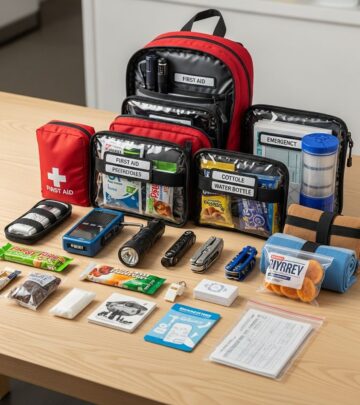
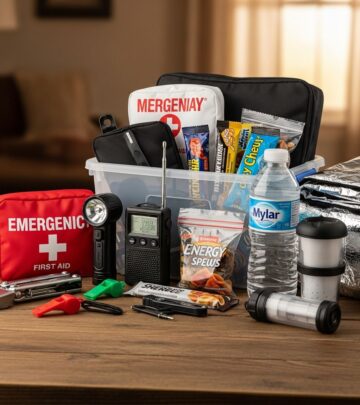
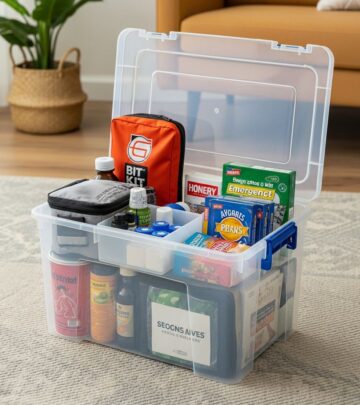
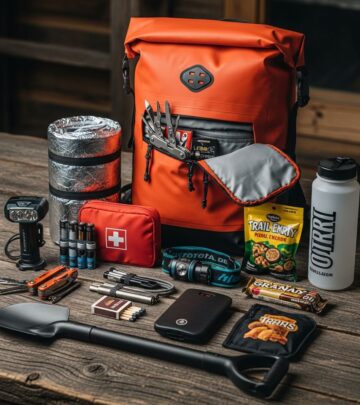
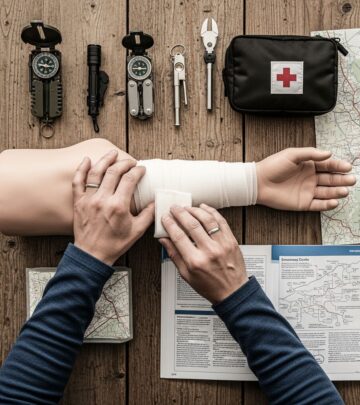
13 Essentials Every Emergency Bag Should Have
Be ready for any crisis with these 13 must-have items for your go-bag that can save lives and ease evacuations.
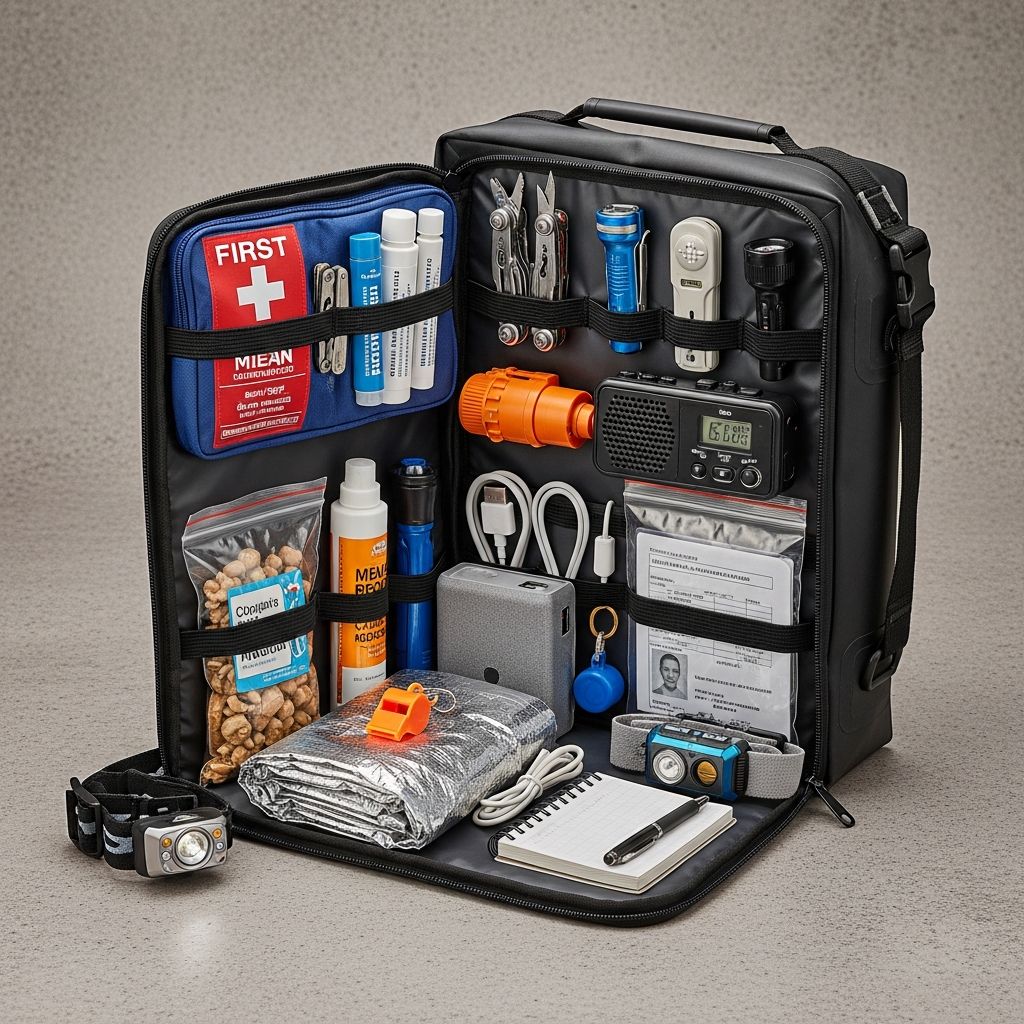
No one likes to think about evacuating their home due to a wildfire, flood, earthquake, or other disaster, but preparation is key to survival. A well-stocked emergency bag, often called a go-bag, ensures you can grab and go in minutes, meeting basic needs for at least 72 hours. Official guidelines from agencies like FEMA recommend one gallon of water per person per day, non-perishable food, and critical tools for safety and comfort. This article outlines
13 essentials
every emergency bag should include, drawing from expert recommendations to help you build a kit tailored to your family.Why You Need an Emergency Bag
Disasters strike without warning, and roads may close, power may fail, and stores may empty. The City of Lafayette, CO, advises a 72-hour kit with water (1 gallon/person/day), food, first aid, and more, stored in a duffle bag or backpack for quick access. Families should customize kits for medical needs, climate, and pets. Having multiple kits—one at home, one in the car—boosts readiness. These 13 items cover hydration, nutrition, health, shelter, communication, and morale.
1. Water and Purification Tablets
Water is the top priority: FEMA mandates 1 gallon per person per day for 3 days minimum for drinking, cooking, and hygiene. Store in sturdy bottles or collapsible containers to save space. In prolonged crises, drain water from your home heater or pipes if safe.
Include water purification tablets or filters to make suspect water safe. Boil if possible using a lighter or stove, or use tablets for giardia and bacteria removal. A reusable bottle doubles for carrying and sterilizing. Dehydration hits fast—prioritize this.
2. Non-Perishable Food
Pack 3 days’ worth of calorie-dense, no-cook foods like energy bars, nuts, dried fruits, canned tuna (with opener), and peanut butter. Ready.gov emphasizes items needing no refrigeration or preparation. Rotate stock every 6 months to avoid waste. Include comfort foods for kids and manual can opener.
3. First Aid Kit
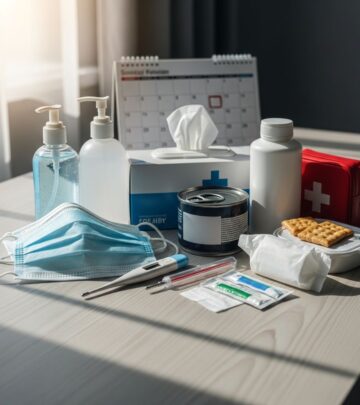
A compact first aid kit treats cuts, burns, sprains, and allergies. Essentials: bandages, antiseptic wipes, antibiotic ointment, painkillers, tweezers, scissors, gloves, and medications. Add personal prescriptions (7-day supply), EpiPen if needed. Mini-kits fit purses; expand for families. Quick care prevents infections.
4. Flashlight and Batteries
LED flashlights with extra batteries illuminate dark nights during outages. Hand-crank models charge phones too. Keep one bedside—stumbling in blackouts is dangerous. Crayons or candles provide backup light.
5. Multi-Tool or Knife
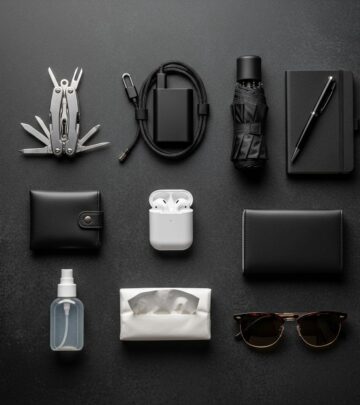
A multi-tool (e.g., Leatherman) or sturdy knife cuts seatbelts post-crash, opens packages, or preps food. Swiss Army knives excel in versatility. Bushcraft knives suit outdoors. Safety first: blunt tips for kids.
6. Lighter or Matches
Waterproof matches or a Bic lighter start fires for warmth, cooking, signal. Sterilize needles or melt snow. Store in ziplock bags. Avoid if fire risk high.
7. Space Blanket or Sleeping Bag
Mylar space blankets reflect 90% body heat, double as shelter or ground cover. Compact sleeping bags or wool blankets insulate. Lafayette recommends wool for damp conditions.
8. Duct Tape and Safety Pins
Duct tape repairs gear, seals wounds temporarily, or marks trails. Safety pins fix clothing, secure bandages, or improvise slings. Indispensable for quick fixes.
9. Battery-Powered or Hand-Crank Radio
Stay informed via NOAA weather radio for alerts. Hand-crank models don’t need batteries. Solar options charge devices. Knowledge saves lives.
10. Cash and Important Documents
Small bills ($100+) for ATMs-down scenarios. Copies of ID, passports, insurance in waterproof bag. List emergency contacts. Fire-resistant pouch ideal.
11. Feminine Hygiene Products
Tampons/pads plug wounds (absorbent, sterile) or aid menstruating individuals. Unravel for burns. Unisex essential.
12. Handkerchief or Moist Towelettes
Handkerchiefs clean wounds, filter water, or signal. Towelettes/hand sanitizer maintain hygiene sans water.
13. Extra Clothing and Comfort Items
Weather-appropriate clothes, sturdy shoes, hat, gloves. Deck of cards boosts morale. Ziplocks keep dry.
How to Pack Your Emergency Bag
| Item | Quantity | Storage Tips |
|---|---|---|
| Water | 1 gal/person/day x3 | Collapsible pouches |
| Food | 3 days | Calorie-dense, rotate |
| First Aid | 1 kit | Waterproof case |
| Flashlight | 1 + batteries | Hand-crank preferred |
Pack in backpack for one person or duffle for family. Test quarterly: check expiration, practice grab-and-go. Customize for pets, infants, elderly.
Frequently Asked Questions (FAQs)
Q: How often should I update my emergency bag?
A: Check every 6 months; rotate food/water, replace expired meds. Test gear annually.
Q: What’s the minimum size for an emergency kit?
A: 72 hours per person, per FEMA/Ready.gov.
Q: Can I use one bag for the whole family?
A: Individual packs ideal, but family duffle works if accessible.
Q: What about power sources?
A: Hand-crank radio/charger, solar bank, car adapter.
Q: Do I need a separate car kit?
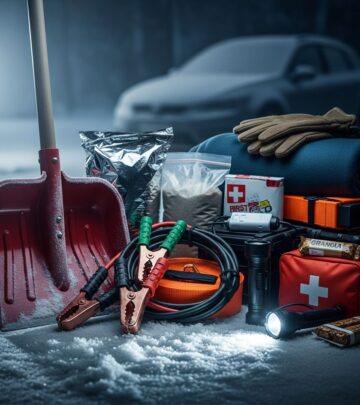
A: Yes—compact version with jumper cables, flares.
References
- 8 Things to Carry That Could Help Someone in an Emergency — Wise Bread. 2010-approx. https://www.wisebread.com/8-things-to-carry-that-could-help-someone-in-an-emergency
- 6 Items You Might Have Forgotten in Your Emergency Kit — Wise Bread. 2010-approx. https://www.wisebread.com/6-items-you-might-have-forgot-in-your-emergency-kit
- Micro-Prepping: How to Prepare for Small Disasters — Wise Bread. 2010-approx. https://www.wisebread.com/micro-prepping-how-to-prepare-for-small-disasters
- 5 Emergency Situations You Must Prepare For (and 5 You Can Ignore) — Wise Bread. 2010-approx. https://www.wisebread.com/5-emergency-situations-you-must-prepare-for-and-5-you-can-ignore
- Make an Emergency Kit — City of Lafayette, CO Official Website (Government). Accessed 2026. https://www.lafayetteco.gov/688/Make-an-Emergency-Kit
Similar Articles








Read full bio of Sneha Tete