13 Creative Ways to Avoid Spending Money
Discover 13 ingenious strategies to curb impulse spending and stick to your budget effortlessly.
Sticking to a budget is challenging in a world full of temptations. Whether it’s shiny new gadgets, impulse buys at the checkout, or social pressures to spend, avoiding unnecessary expenses requires creativity and discipline. This article explores
, drawing from proven frugal strategies to help you regain control of your finances. These tips go beyond basic advice, offering unconventional yet effective methods to reduce outflows while maintaining enjoyment in life.By implementing these techniques, you can redirect saved funds toward debt reduction, emergency savings, or long-term goals like retirement. Research from financial experts emphasizes that small, consistent changes in spending habits yield significant results over time. Let’s dive into each strategy.
Uglify Your Stuff to Deter Thieves and Buyers
One clever psychological hack is to make your belongings less appealing. People, including thieves, are drawn to attractive items. By intentionally “uglifying” your possessions—such as adding stickers to gadgets, scuffing up bags, or using mismatched cases—you reduce their allure. This not only discourages theft but also curbs your own desire to upgrade or replace them prematurely.
For example, apply clear packing tape over shiny phone screens or use worn covers on laptops. This tactic leverages loss aversion: once something looks less desirable, you’re less tempted to spend on replacements. It’s a low-cost way to extend the life of your assets without sacrificing functionality.
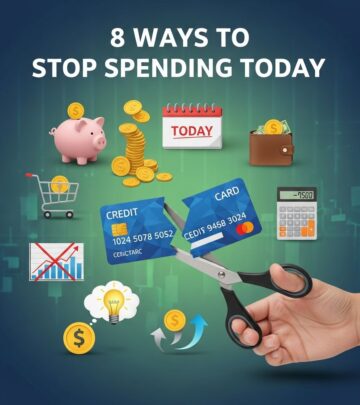
Freeze Your Credit Cards—Literally
Tempted by impulse purchases?
Freeze your credit cards in ice
. Place them in a bowl of water and pop it in the freezer. When the urge to spend hits, you’ll need to wait for the ice to thaw—giving you time to reconsider if the purchase is truly necessary. This physical barrier interrupts the impulse cycle.Debit cards work too, preventing overdrafts. Pro tip: Label the container with your spending rules, like “Only for emergencies.” This method, popularized in personal finance circles, builds mindful spending habits and has helped many avoid regretful buys.
Create a Needs vs. Wants List
Differentiate essentials from desires by maintaining a
needs vs. wants list
. Needs are necessities like food, shelter, and basic clothing; wants are luxuries such as designer items or frequent dining out. List everything on your shopping radar and categorize ruthlessly.- Needs: Groceries, rent, utilities.
- Wants: New sneakers, coffee runs, streaming subscriptions.
Prioritize high-value wants and eliminate the rest. Review weekly to track progress. This exercise fosters balance, ensuring money flows to future needs like savings rather than fleeting pleasures.
Shop with Cash Only
Leave plastic at home and use cash for daily expenses. Studies show people spend 12-18% less when using tangible money versus cards, as it feels more painful to part with bills. Set a weekly cash allowance for discretionary spending in an envelope system.
| Category | Weekly Cash Limit | Example Items |
|---|---|---|
| Groceries | $100 | Basics only |
| Fun Money | $20 | Treats, small outings |
| Gas | $30 | Essential travel |
This visual depletion of funds enforces discipline, making overspending impossible once the envelope empties.
Unplug and Power Down Everything
“Vampire energy” from standby appliances adds up. Unplug TVs, chargers, and kitchen gadgets nightly. This habit can slash your electricity bill by 10% or more. Use a power strip for easy one-switch shutdowns. Walk through your home before bed, turning off the main culprits: computers, toasters, and clocks.
Bonus: It promotes better sleep by reducing blue light exposure. Track savings with a utility app to stay motivated.
Delay Purchases with a 30-Day Rule
For non-essentials, institute a
30-day waiting period
. Add items to a “wishlist” and revisit after a month. Often, the desire fades, saving you from buyer’s remorse. This counters the dopamine rush of impulse shopping.Use a simple app or notebook: Date the entry, note the price, and rationale. If it’s still essential later, comparison-shop for deals.
Host Potlucks Instead of Dining Out
Social spending drains budgets. Suggest potlucks with friends: Everyone brings a dish, halving costs while enjoying variety. Theme nights (e.g., taco bar) add fun without expense. This builds community and cuts restaurant bills dramatically.
Alternative: Picnic in parks with homemade goods—free entertainment included.
Use the Library for Free Entertainment
Libraries offer books, audiobooks, movies, and events at no cost. Skip bookstores or streaming fees by borrowing. Speed-reading tips can maximize your haul, but no need—renewals are free.
Many have digital catalogs via apps like Libby, accessible 24/7. It’s eco-friendly and expands your knowledge without spending.
Repurpose Household Items Creatively
Avoid buying new by hacking what you own. Catch faucet runoff in pitchers for plants or cooking. Reuse jars as storage, old shirts as rags. Brick-in-toilet-tank displacers save water long-term.
- Catch shower warm-up water for gardening.
- Tear 2-ply toilet paper into singles.
- Insulate with newspaper layers.
These micro-habits compound into real savings.
Declutter and Sell Unused Items
Turn clutter into cash via garage sales or online marketplaces. The process discourages future hoarding. Donate unsold items for tax deductions. Earning from stuff you forgot about offsets spending urges.
Practice the “No Shopping” Challenge
Commit to 30 days without non-essential purchases. Track triggers (stress, boredom) and replace with free alternatives like walks or calls. This resets habits, revealing true necessities.
Track Every Penny Spent
Use apps or journals to log expenditures. Awareness alone cuts spending by highlighting leaks like daily coffees ($1,095/year!). Categorize to spot patterns and adjust.
Find Joy in Experiences Over Things
Research confirms experiences create lasting happiness, unlike possessions. Opt for free hikes, library events, or home game nights. This mindset shift makes frugality fulfilling.
Frequently Asked Questions (FAQs)
Q: How much can I save with these tips?
A: Users report 10-30% monthly reductions, equating to hundreds annually, depending on implementation.
Q: What if my friends pressure me to spend?
A: Be honest about your goals and suggest low-cost alternatives like potlucks.
Q: Is freezing cards safe?
A: Yes, for emergencies, keep one accessible; it mainly curbs impulses.
Q: How do I stick to the 30-day rule?
A: Use digital wishlists with reminders; review weekly.
Q: Are these tips realistic long-term?
A: Yes, they build sustainable habits without deprivation.
References
- 51 Unusual Money-Saving Tips from Readers — Wise Bread. 2008-01-01. https://www.wisebread.com/51-unusual-money-saving-tips-from-readers
- Solutions for Overspending — DePaul University. 2023-01-01. https://resources.depaul.edu/financial-fitness/tackle-overspending/Pages/solutions-for-overspending.aspx
- 15 Ways to Stay on Budget Even With Your Spendy Friends — Wise Bread. 2010-01-01. https://www.wisebread.com/15-ways-to-stay-on-budget-even-with-your-spendy-friends
Similar Articles








Read full bio of medha deb