12 Foods Everybody Should Be Able to Cook by 30
Master these 12 essential foods by 30 to cook confidently, save money, and impress with home-cooked meals every time.
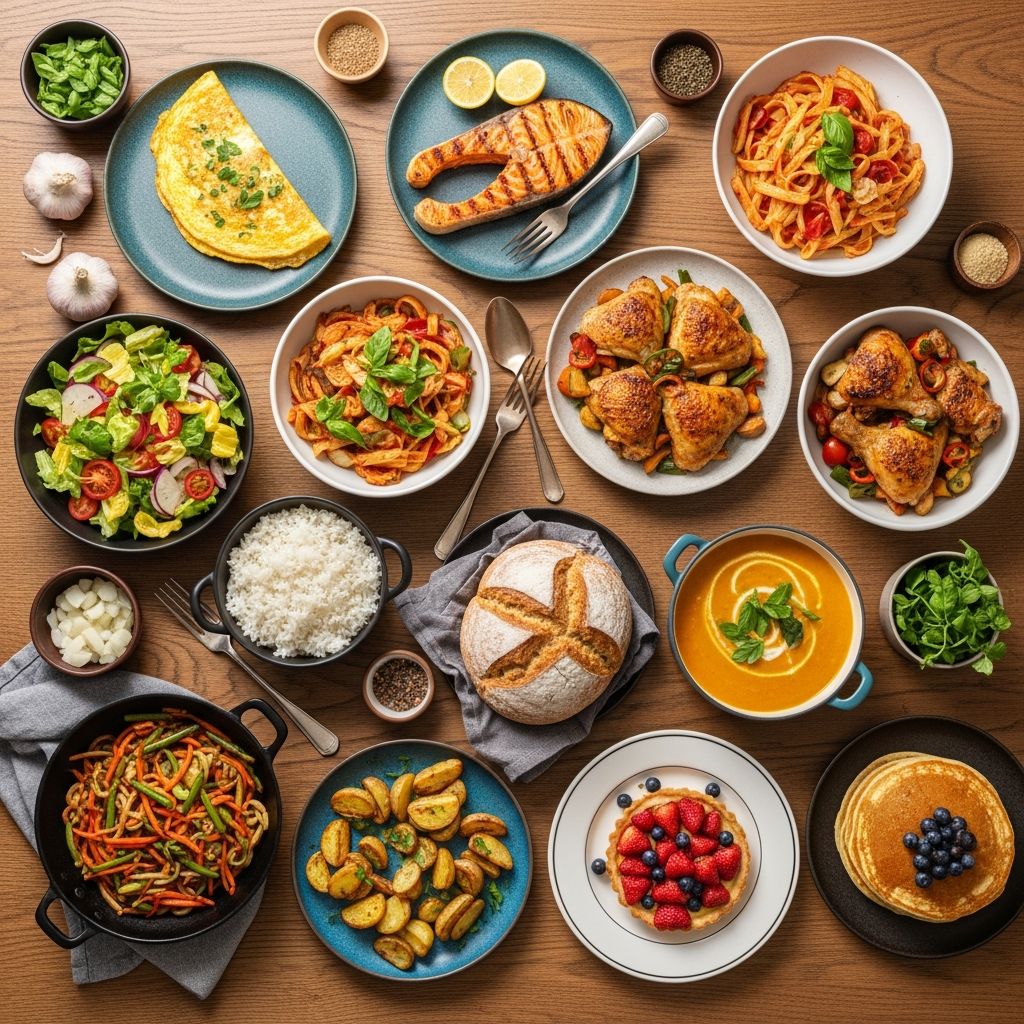
The time for relying on ramen noodles and takeout has passed. By age 30, you should have a solid repertoire of basic cooking skills that allow you to prepare nutritious, tasty meals without fuss. Mastering these 12 foods builds confidence in the kitchen, saves money on eating out, and equips you for life’s everyday needs. These staples are simple, versatile, and form the foundation for countless recipes. Whether you’re cooking for yourself, a family, or friends, knowing how to nail these will make you a go-to home chef.
Why focus on these? Cooking from scratch promotes better health, reduces waste, and hones techniques like boiling, roasting, grilling, and baking. According to the USDA, home-cooked meals can cut sodium intake by up to 30% compared to processed foods, supporting long-term wellness. Let’s dive into each one with step-by-step guidance, common pitfalls, and pro tips.
1. A Perfectly Boiled Egg
Boiled eggs are the ultimate quick protein source—ideal for salads, snacks, or breakfast. The key is timing: soft-boiled (6 minutes) yields a runny yolk; hard-boiled (10-12 minutes) is firm and peelable.
- Place eggs in a single layer in a pot; cover with cold water by 1 inch.
- Bring to a boil over medium-high heat, then cover and remove from heat.
- Let sit: 6 min for soft, 12 for hard. Plunge into ice water for easy peeling.
Pro tip: Older eggs peel better. Avoid overcooking to prevent green rings from sulfur reaction. Nutrition: One large egg provides 6g protein and essential vitamins for under 80 calories.
2. A Good Steak
Steak intimidates many, but pan-searing delivers restaurant-quality results. Aim for 1-inch thick cuts like ribeye or sirloin; cook to 135°F internal for medium-rare.
- Pat dry, season generously with salt and pepper. Let sit 30 minutes at room temp.
- Heat cast-iron skillet with oil to smoking hot; sear 4 minutes per side.
- Rest 5 minutes under foil—juices redistribute for tenderness.
Common mistake: Cutting too soon, releasing juices. Pair with roasted veggies for a complete meal. Beef provides iron and B12, crucial for energy.
3. A Roasted Chicken
Whole roasted chicken feeds 4-6 and teaches seasoning basics. It’s cheaper per pound than parts and yields stock from bones.
- Preheat oven to 425°F. Pat 4-5 lb bird dry; stuff cavity with lemon, garlic, herbs.
- Rub skin with oil, salt, pepper. Roast 1-1.5 hours until 165°F thigh.
- Rest 15 minutes; carve. Use drippings for gravy.
Tip: Spatchcock (flatten) for even cooking. Leftovers make salads or soups. Poultry is a lean protein staple per dietary guidelines.
4. A Pot of Pasta
Pasta is comfort food done right. Use 4 quarts water per pound; salt like seawater.
Boil vigorously; add pasta. Stir first minute. Test 1-2 minutes before package time—al dente is key. Reserve pasta water for sauce silkiness. Drain, don’t rinse.
Variations:
| Pasta Type | Best Sauce Pairing | Cook Time |
|---|---|---|
| Spaghetti | Meat sauce | 8-10 min |
| Penne | Pesto | 10-12 min |
| Linguine | Clams | 9-11 min |
Whole grains boost fiber.
5. Rice
Perfect rice (white or brown) absorbs flavors without mushiness. Ratio: 1 cup rice to 2 cups water.
- Rinse rice. Sauté in oil with onion for flavor.
- Add water, salt; boil then simmer covered 15-45 min (brown longer).
- Fluff with fork; rest 10 min.
Brown rice offers more fiber than white, aiding digestion. Essential for stir-fries or bowls.
6. Pancakes
From-scratch pancakes beat box mixes in fluffiness and taste. Whisk wet (milk, egg, butter) into dry (flour, sugar, baking powder).
Cook on medium griddle: Bubbles form, then flip. Keep warm in oven. Yields 8-10 pancakes.
Tip: Buttermilk tenderizes. Add berries or chocolate chips. Breakfast grains provide sustained energy.
7. Mashed Potatoes
Creamy mashed potatoes require Yukon Golds or russets; avoid overmixing to prevent gumminess.
- Boil peeled chunks 15-20 min until fork-tender.
- Drain, heat milk/cream/butter. Mash, season.
- Whip lightly for smoothness.
Rich in potassium; low-fat versions use yogurt.
8. Stir-Fry
Stir-fry is fast, veggie-packed. High-heat wok: proteins first, then veggies.
- Marinate meat/tofu. Cut uniform sizes.
- Stir 1 min oil hot; add garlic/ginger. Cook proteins 2-4 min.
- Add veggies by cook time (broccoli last). Sauce: soy, oyster, cornstarch slurry.
Boosts veggie intake per health recs.
9. An Omelet
Omelets showcase egg mastery. 2-3 eggs, whisked with splash milk.
Medium heat, butter; pour eggs. Push edges in as sets. Fill (cheese, ham, veggies), fold. Slide out.
Versatile for any meal. Eggs: complete protein.
10. A Simple Salad
Great salads balance greens, crunch, dressing. Base: romaine/spinach.
- Wash/dry greens. Add tomatoes, cukes, nuts.
- Dressing: 3:1 oil:vinegar, mustard, salt.
- Toss gently.
5 servings veggies/day goal.
11. A Basic Tomato Sauce
Homemade sauce trumps jars. Simmer canned tomatoes with onion, garlic, herbs 30 min.
Blend smooth; season. Freezes well. Lycopene benefits heart health.
12. A Simple Soup
Chicken noodle or veggie soup soothes. Sauté mirepoix (onion/carrot/celery); add broth, protein, noodles.
Simmer 20 min. Hydrating and comforting.
Why Master These by 30?
These skills foster independence, cut grocery bills by 20-30% via batch cooking, and impress socially. Practice weekly; invest in tools like a good knife and thermometer. Builds lifelong habits.
Frequently Asked Questions (FAQs)
Q: How long to master these skills?
A: 1-2 practices per recipe; full confidence in 3-6 months with regular cooking.
Q: What if I’m vegetarian?
A: Swap steak/chicken for tofu, beans, eggs. Recipes adapt easily.
Q: Best beginner tools?
A: Chef’s knife, cutting board, sheet pan, skillet, thermometer.
Q: Can I meal prep these?
A: Yes—cook rice/pasta/sauce in bulk; freezes well for busy weeks.
Q: How to avoid food waste?
A: Freeze extras, use veggie scraps for stock.
References
- Dietary Guidelines for Americans, 2020-2025 — U.S. Department of Agriculture (USDA). 2020-12-01. https://www.dietaryguidelines.gov/sites/default/files/2020-12/Dietary_Guidelines_for_Americans_2020-2025.pdf
- Protein Foods Group — USDA FoodData Central. 2024-05-15. https://fdc.nal.usda.gov/
- Food Safety Basics — FDA. 2023-08-20. https://www.fda.gov/food/buy-store-serve-safe-food/food-safety-basics
- Cooking Matters: Techniques for Healthy Cooking — Share Our Strength. 2022-11-10. https://cookingmatters.org/
- Nutrition and Your Health: Dietary Guidelines — HHS/USDA. 2020-12-01. https://health.gov/our-work/food-nutrition/previous-dietary-guidelines
Similar Articles








Read full bio of medha deb