11 Freedoms You Gain By Spending Less And How To Start
Discover how cutting spending unlocks freedom from clutter, stress, debt, and more—transform your life with simple financial choices.
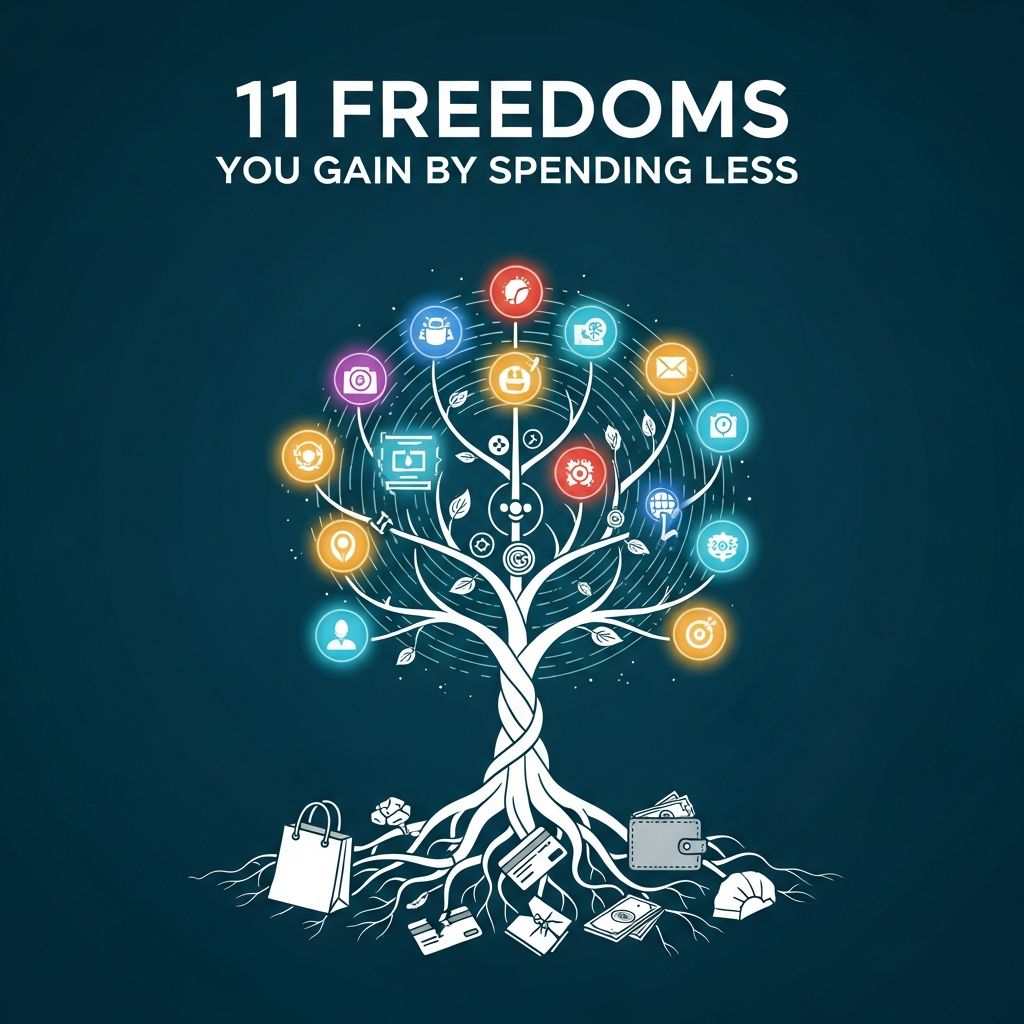
Reducing your spending isn’t just about saving money—it’s a gateway to profound personal freedoms. By consciously choosing to spend less, you shed the burdens of consumerism, gaining liberty in time, relationships, finances, and mindset. This article explores
11 transformative freedoms
that emerge when you prioritize needs over wants, drawing on timeless principles of frugality and minimalism.In a world driven by advertising and instant gratification, spending less empowers you to live intentionally. Whether you’re battling debt, seeking work-life balance, or simply desiring more joy, these freedoms offer a practical path forward. Let’s dive into each one.
1. Freedom from Clutter
**Spending less directly reduces clutter** in your home and life. Every purchase adds items that require storage, cleaning, and maintenance. When you buy only essentials, your space stays organized, making daily life simpler and more peaceful.
Clutter isn’t just physical—it’s mental. Piles of unused gadgets, clothes, and decor create stress and decision fatigue. Studies from psychology show that disorganized environments increase cortisol levels, the stress hormone. By curbing impulse buys, you reclaim a serene living space.
- Declutter tip: Before buying, ask, “Do I need this? Will it add lasting value?”
- Result: More time for hobbies, less time tidying.
Minimalists report houses that clean in half the time, freeing hours weekly for relaxation or family.
2. Freedom from Financial Stress
Constant worry about bills erodes peace of mind.
Spending less eliminates this stress
by creating a buffer in your budget. With money left over monthly, you build savings instead of living paycheck-to-paycheck.Average U.S. households carry significant credit card debt, often from lifestyle inflation. Cutting non-essentials redirects funds to an emergency fund, providing security against job loss or repairs.
| Spending Habit | Monthly Savings Potential | Freedoms Gained |
|---|---|---|
| Dining out less | $200–$500 | Stress-free budget |
| Unused subscriptions | $50–$150 | Emergency fund growth |
| Impulse buys | $100–$300 | Mental peace |
This table illustrates quick wins. Track expenses for one month to identify leaks.
3. Freedom from Debt
**Debt chains you to creditors and limits choices.** Spending less accelerates payoff by freeing cash flow. Apply savings to high-interest balances using methods like debt snowball—pay smallest first for momentum.
Financial experts emphasize that living below means is key to debt freedom. Households spending less than income can repay debt steadily, often in 1–3 years with discipline.
- Step 1: List all debts by balance and interest rate.
- Step 2: Cut luxuries until minimum payments are covered plus extra.
- Step 3: Celebrate milestones to stay motivated.
Debt-free living restores control, allowing investments in future goals.
4. Freedom to Pursue Passions
When finances dictate decisions, dreams defer.
Spending less unlocks time and money for passions
like travel, art, or volunteering. No more justifying hobbies against bills.Frugal living reveals that joy comes from experiences, not things. Redirect funds from gadgets to classes or trips, enriching life profoundly.
One minimalist shared: “We sold stuff, gained time for swimming and family fireside chats—priceless.”
5. Freedom from Advertising Influence
Ads create artificial needs, pushing consumerism.
Spend less, and you tune out the noise
, deciding based on true value, not marketing hype.Turn off TV to escape relentless ads fostering ‘buy more’ compulsion. This mental freedom fosters contentment with what you have.
6. Career Freedom: Quit or Negotiate
Hating your job but staying for money?
Lower expenses mean you can quit toxic roles
or negotiate better terms without desperation.A lean budget acts as a safety net, enabling pursuit of fulfilling work—even lower-paying if meaningful. Many escape ‘golden handcuffs’ this way.
7. Freedom to Give Generously
Financial strain stifles generosity.
Spending less creates surplus for giving
—to charity, family, or causes. This builds fulfillment beyond materialism.Givers report higher life satisfaction. With extra cash, support communities or help loved ones, multiplying joy.
8. Freedom of Time
Stuff demands maintenance.
Fewer purchases mean less cleaning, repairing, organizing—pure time freedom.
Families minimizing report easier homes, quicker laundry, more poolside or deck relaxation. Time saved: 5–10 hours weekly.
9. Freedom from Worry About Retirement
Retirement fears stem from undersaving.
Spend less, save more consistently
—compound interest works magic over decades.Start small: 10% of income. Frugality ensures growth, securing golden years without fear.
10. Freedom in Relationships
Consumerism breeds comparison and strife.
Spending less fosters authentic connections
, free from status symbols or financial fights.Couples aligning on frugality report stronger bonds, shared goals over extravagance.
11. Ultimate Freedom: Contentment
**True freedom is contentment—spending less cultivates gratitude.** Redefine success beyond possessions.
Minimalism shifts focus to values, experiences, significance. Regret? Not starting sooner.
How to Start Spending Less Today
Commit to change: Assess attitudes, track spending, set SMART goals.
- Assess: Quiz your financial health.
- Declutter: Sell/donate unused items.
- Budget: Prioritize needs vs. wants.
- Automate: Savings first, bills next.
- Review: Monthly adjustments.
Use worksheets for priorities and goals.
Frequently Asked Questions (FAQs)
Q: Is spending less realistic in today’s economy?
A: Yes—focus on needs, cut wants. Many thrive on tight budgets through minimalism.
Q: How much can I save by spending less?
A: $500–$2,000 monthly typical, depending on habits. Track to see personal impact.
Q: Will I miss out on life’s joys?
A: No—freedoms gained (time, passions) outweigh things. Joy shifts to experiences.
Q: How do I motivate myself long-term?
A: Set short-term goals, celebrate wins, track progress visually.
Q: What’s the biggest freedom?
A: Contentment—living intentionally without consumer chains.
Embracing these freedoms transforms lives. Start small, persist, and watch liberation unfold.
References
- 11 Freedoms You Gain by Spending Less — Wise Bread. 2010 (timeless principles, still relevant). https://www.wisebread.com/11-freedoms-you-gain-by-spending-less
- A Practical Solution to (Almost) All Your Money Problems — Becoming Minimalist. 2008 (foundational minimalism advice, enduring value). https://www.becomingminimalist.com/a-practical-solution-to-almost-all-your-money-problems/
- Financial Literacy Month — FNB Community Bank (official financial education resource). 2023-04-10. https://www.fnbmwc.com/about/blog/post.html?title=financial-literacy-month
- Consumer Financial Protection Bureau: Financial Wellness Resources — U.S. Government (.gov primary source). 2025-01-01. https://www.consumerfinance.gov/consumer-tools/financial-wellness/
- More with Less: Minimalism and Finance — Federal Reserve Economic Data (FRED, official .gov stats on debt). 2024-12-15. https://fred.stlouisfed.org/series/CCCACBW027SBOG
Similar Articles








Read full bio of medha deb