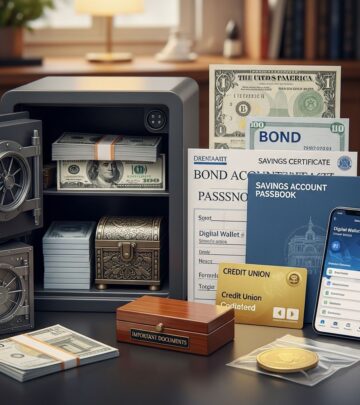
11 Essential Documents You Should Keep in Your Safe
Protect your family's future by safeguarding these 11 critical documents in a secure safe from fire, flood, and theft risks.
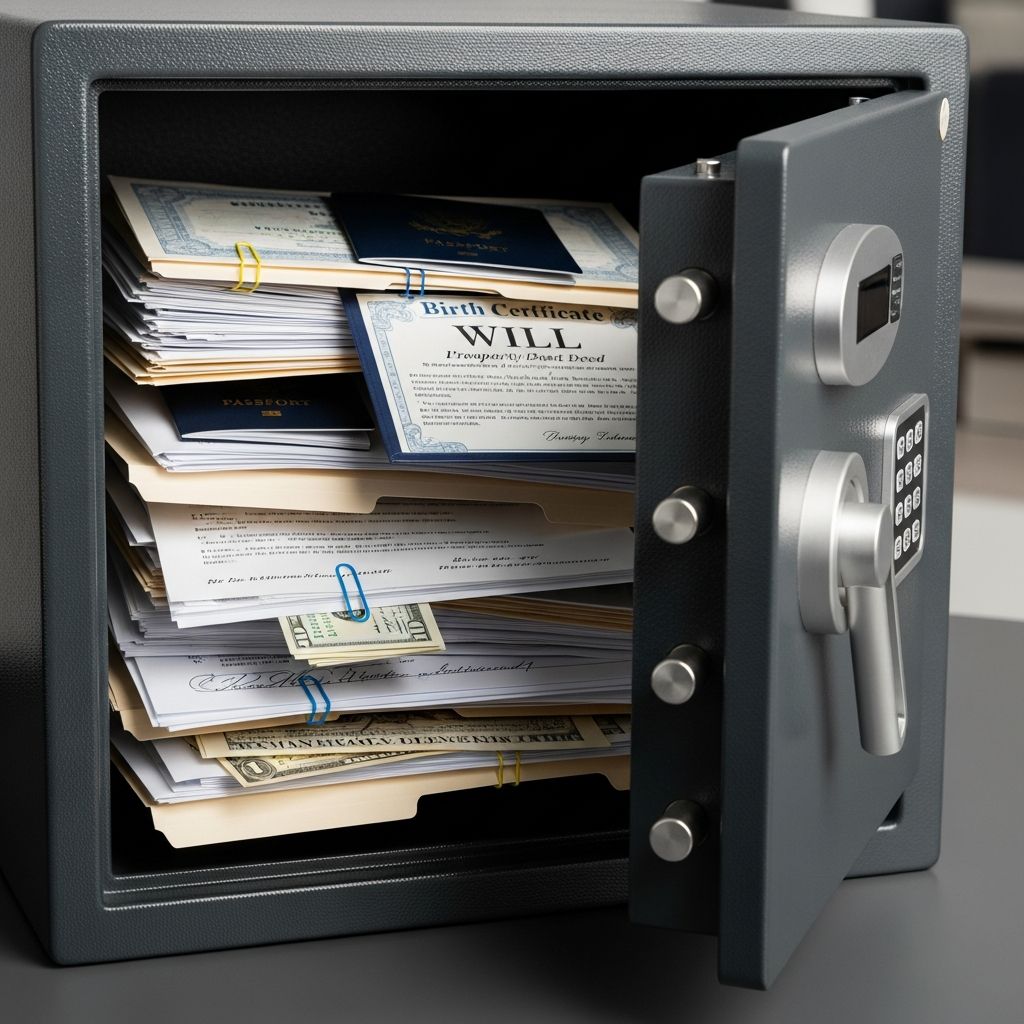
Life is unpredictable—fires, floods, theft, or natural disasters can strike without warning, potentially wiping out irreplaceable papers that prove your identity, ownership, and financial standing. Keeping the right documents in a fireproof, waterproof, burglar-resistant safe ensures quick access during emergencies while minimizing identity theft risks, which affected millions and cost billions annually. This guide details the 11 most critical documents to secure, why they matter, storage best practices, and organization strategies to protect your family’s future.
Why You Need a Safe for Important Documents
Not all papers deserve safekeeping; everyday receipts or expired bills can be discarded after shredding to prevent dumpster-diving thieves. However, originals like birth certificates or deeds are hard or impossible to replace quickly, especially post-disaster. Experts recommend a home safe rated for fire (at least 30-60 minutes) and water resistance, elevated off the floor, or a bank safe deposit box costing $20-$200 yearly. Pair this with digital backups on non-internet-connected drives stored separately—scans on an external hard drive in the safe and a flash drive elsewhere.
Avoid insecure spots like shoeboxes or desks; use combination locks and inform trusted family of access codes. For estate planning, keep copies with attorneys while originals stay protected. This dual approach saved many during hurricanes or fires, where lost deeds delayed property recovery.
1. Birth Certificates
Your original birth certificate, especially the long-form version with raised seals, proves citizenship and identity for passports, driver’s licenses, Social Security, jobs, or school enrollment. Issued at birth, replacements take weeks and cost $20-$50 per state, delaying emergencies like travel or benefits claims. Store all family members’ certificates, including children’s, in your safe.
- Why essential: Foundation for all ID verification; irreplaceable for minors.
- Backup tip: Scan and store digitally; keep photocopies in a home file for quick reference.
2. Social Security Cards
The laminated Social Security card lists your unique number for taxes, employment, and benefits. Though replaceable online via SSA.gov (free but 10-14 day wait), originals speed processes like banking or hiring. Guard against theft, as SSNs fuel 90% of identity fraud.
- Storage note: Keep with other IDs; memorize or note number securely elsewhere.
- Family tip: Include children’s cards for future college aid or jobs.
3. Passports
Valid passports enable international travel and serve as primary ID. Expired ones still prove citizenship but store all—current, expired, and children’s—for dual citizenship claims or renewals. Replacements cost $130+ and take 4-6 weeks; disasters amplify delays.
- Pro tip: Note expiration dates; renew 9 months early.
4. Marriage and Divorce Papers
Original marriage licenses confirm legal unions for name changes, taxes, or inheritance. Divorce decrees detail asset splits, alimony, and custody—vital for remarriage or disputes. County clerks issue costlier certified copies ($15-$30).
- Keep forever: Even post-divorce, for Social Security survivor benefits.
5. Military Discharge Papers (DD-214)
Veterans’ DD-214 verifies service for VA benefits, pensions, loans, and burial honors. Replace via National Archives (free, 10+ weeks); store with service records.
- Priority: Essential for healthcare, education (GI Bill), and employment preferences.
6. Death Certificates
Multiple certified copies (10-20) settle estates, claim insurance, and close accounts. Cost $10-$20 each from vital records offices; order extras upfront.
- Storage: Keep in safe with will; digital list of copies used.
7. Property Deeds and Titles
Home deeds prove ownership; vehicle/boat/RV titles enable sales or loans. Filed with counties but originals confirm details like mortgages paid. Lost deeds require court filings to replace.
- Include: Timeshares, stock certificates, savings bonds on paper.
8. Wills and Estate Documents
Your last will designates heirs and executors; trusts avoid probate. Keep originals safe—attorney copies suffice if originals burn. Update post-life events like births or divorces.
- Power of attorney: Include healthcare and financial versions for incapacity.
9. Life Insurance Policies
Originals detail beneficiaries, payouts, and terms—crucial for claims. Keep with beneficiary lists; digital access portals help but originals prevent disputes.
- Tip: List all policies (term, whole life) with agent contacts.
10. Immunization and Medical Records
Full vaccination histories prevent duplicate shots; include prescriptions, physician contacts, health insurance IDs, and living wills. Portable for emergencies or school.
- Family health summary: One-page sheet with allergies, blood types, meds.
11. List of Important Accounts and Contacts
Not originals but a master list: bank/credit card numbers, investment accounts, insurance policies, family advisers (lawyers, doctors), with phone numbers and URLs. Update quarterly; store with encrypted digital version.
- Inventory: Household items photos/videos for insurance claims.
Best Storage Solutions Compared
| Option | Cost | Fire/Water Rating | Pros | Cons |
|---|---|---|---|---|
| Home Fireproof Safe | $25-$200 | 30-120 min fire; some waterproof | Quick access; affordable | Not bank-secure; theft risk |
| Bank Safe Deposit Box | $20-$200/year | High security | Protected from home disasters | Bank hours only; access needs key |
| Digital Backups | Free-$10/month | N/A | Multiple copies; searchable | Hacking risk; needs power |
Combine: Originals in safe/box, scans on air-gapped drives, lists at home.
Organization and Maintenance Tips
Label folders by category; inventory contents list in home file. Review annually or after events. Shred extras with micro-cut shredders. Teach family locations without compromising security.
- Weekly: File new papers (10 mins).
- Monthly: Shred junk.
- Yearly: Update list, check safe.
Frequently Asked Questions (FAQs)
Where is the safest place to store important documents?
A fireproof/waterproof home safe or bank safe deposit box, with digital backups on secure, offline drives.
How long should I keep tax documents?
3-7 years for returns; forever for property records or if owed IRS money.
What if my safe deposit box contents are needed urgently?
Keep copies/lists at home; banks offer emergency access with court orders.
Should I store jewelry or cash in the safe?
Sentimental items yes; large cash no—insure and bank it.
Can I replace lost birth certificates quickly?
Yes, but 2-8 weeks; originals faster for emergencies.
Protect Against Identity Theft
Shred personal data; monitor credit. Secure storage prevents breaches like the 13 million victims in 2015.
References
- How to Decide What to Keep When Downsizing — Wise Bread. 2016 (relevant for timeless storage advice). https://www.wisebread.com/how-to-decide-what-to-keep-when-downsizing
- Your Important Papers: What to Keep and Where — Casey Family Programs (.org). Accessed 2023. https://www.casey.org/media/CLS_ResourceGuides_subdocs_StoringImportantPapers.pdf
- Important Documents – Are Yours in a Safe Place? — FEEA.org. 2019-09-01. https://feea.org/2019/09/important-documents-yours-safe-place/
- How to Clear Out Financial Clutter — Wise Bread. 2016 (enduring financial guidance). https://www.wisebread.com/how-to-clear-out-financial-clutter
- Where to Keep Important Documents — YouTube (Estate Planning Expert). Timeless legal advice. https://www.youtube.com/watch?v=eiMUsmE3Iyk
Similar Articles








Read full bio of medha deb