10 Useful Items You Should Never Throw Out
Discover 10 everyday household items worth reusing to save money, reduce waste, and boost sustainability in your home.
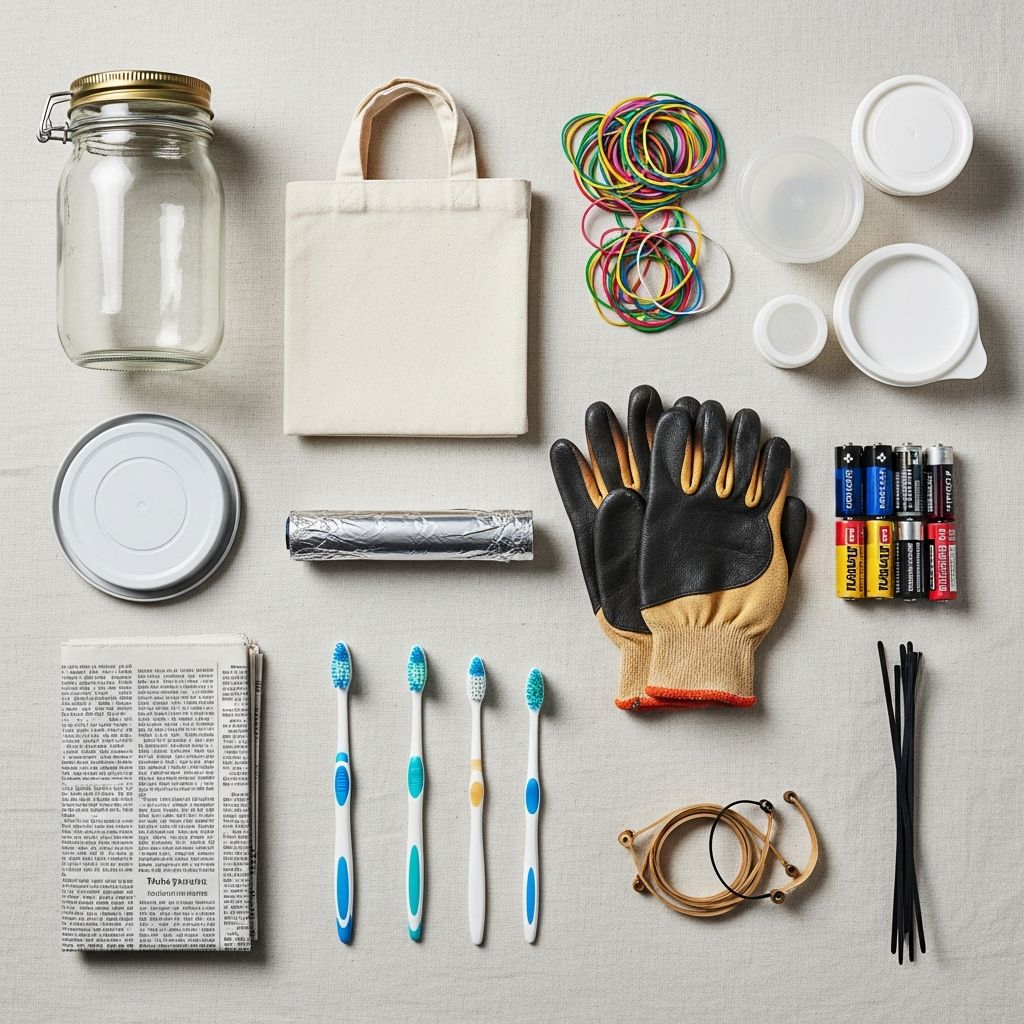
In a world increasingly focused on sustainability and frugality, rethinking what we toss in the trash can lead to significant savings and environmental benefits. Many everyday items destined for the landfill have untapped potential for reuse around the home, in the garden, or even for emergency preparedness. This article explores 10 such items, drawing from practical household wisdom to show how simple repurposing can transform waste into valuable resources. By adopting these habits, you not only cut down on expenses but also contribute to a greener planet.
Dryer Lint: The Ultimate Fire Starter
Dryer lint, that fluffy buildup from your laundry routine, is far too valuable to discard. Composed mostly of cotton fibers, it ignites quickly and burns hot, making it an ideal tinder for starting fires. Whether you’re lighting a wood stove, fireplace, or campfire during a hike, a small handful of clean, dry lint can get flames going in seconds, even in damp conditions.
To prepare it, simply collect lint from your dryer filter after each load and store it in a breathable paper bag or old coffee can to keep it dry. For added effectiveness, mix in a bit of petroleum jelly to create longer-burning fire starters—melt the jelly, dip lint balls in it, and let them harden. This hack is perfect for emergency kits, camping trips, or backyard fire pits. Homeowners report using dryer lint for years without buying commercial fire starters, saving dollars annually while reducing fire-starting waste.
Beyond fires, dryer lint serves as absorbent packing material for fragile shipped items or insulation for small planters in winter. Always ensure it’s free of synthetic fabrics that might produce toxic smoke when burned.
Containers of All Kinds: Versatile Storage Solutions
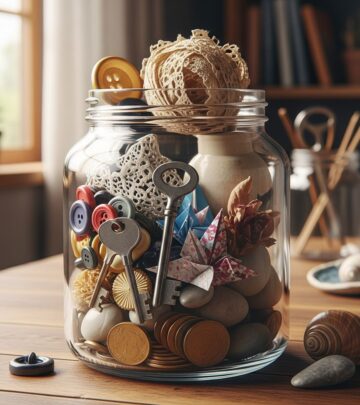
From glass jars to plastic tubs and bread bags, containers from food products offer endless storage possibilities. Jam jars become drinking glasses or candle holders; butter tubs store leftovers or craft supplies; sturdy nut bags freeze meats or veggies.
Reusable silicone bags and washed Ziplocs extend their life multiple times, cutting plastic waste. Walmart bags line small trash cans in bathrooms or bedrooms, handling quick cleanups or carrying items hands-free. Paper grocery bags, thick and durable, carry bulk items or serve as recycling liners.
- Glass jars: Soak off labels, sterilize, and use for pantry staples like spices, grains, or homemade jams.
- Plastic tubs: Ideal for organizing screws, buttons, or kids’ toys in the garage.
- Produce bags: Mesh types aerate onions or potatoes; plastic ones bag wet clothes for laundry.
These repurposes prevent landfill contributions—U.S. households discard millions of such containers yearly. Label them for easy identification and rotate stock to avoid forgotten spoilage.
Bags: From Grocery to Multi-Purpose Heroes
Plastic shopping bags, newspaper sleeves, and bread wrappers are lightweight powerhouses. Grocery bags line bins or pack lunches; newspaper bags contain wet umbrellas or shoe dirt during travel. Dry cleaning bags, turned inside out, mimic store-bought trash liners.
Stuff used bags into an empty paper towel roll for compact storage, pulling them out as needed. They’re lifesavers for pet waste, dirty diapers, or kitchen spills. For eco-conscious users, collect and recycle in bulk at store drop-offs, but first maximize their utility.
Old Toothbrushes: Precision Cleaning Tools
Worn toothbrushes excel at scrubbing tight spaces where sponges fail. Use them for grout lines, jewelry polishing, sneaker treads, or bike chains. Their stiff bristles and ergonomic handle make them superior for detailed work.
Keep a few by the sink, garage, or toolbox. Dip in baking soda for rust removal or toothpaste for silver shine. Replace when bristles fray completely, but that’s after dozens of uses. This simple switch eliminates buying niche cleaners.
Kitchen Scraps: Feed, Compost, or Grow
Vegetable peels, eggshells, and fruit rinds aren’t garbage—they’re garden gold. Chicken owners feed scraps to birds, reducing feed costs. Others compost for nutrient-rich soil or boil potato water for houseplants.
- Scraps like carrot tops regrow greens in water.
- Egg cartons hold seedlings; crush shells for calcium soil boost.
- Banana peels fertilize roses; coffee grounds acidify blueberries.
Avoid meat/dairy in compost to prevent pests. This practice slashes food waste—households toss 30% of food—and yields free fertilizer.
Packing Materials: Protect and Ship Smart
Bubble wrap, foam peanuts, and newspaper cushion shipments or stored heirlooms. Reuse for holiday gifts or moving fragile items. Newspaper doubles as fire starter or weed barrier in gardens.
Store flat to save space. For shipping, layer with tape for security. Crafters shred paper into fillers, avoiding new purchases.
Old Clothes and Rags: Cleaning and Crafting
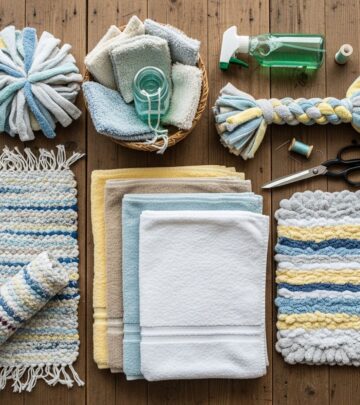
Faded tees or worn towels cut into rags wipe counters, polish cars, or strain stocks. Tight weaves absorb without lint; soft fabrics buff to shine.
Stitch into quilt patches or pet beds. Donate unusable portions. This extends clothing life cycles, curbing fast fashion’s impact.
Pie Plates and Aluminum Pans: Oven Essentials
Disposable pie tins from store-bought crusts broil garlic bread, melt cheese toast, or bake singles. Stackable and cheap, they replace pricier bakeware.
Wash reusable ones; recycle truly disposables last. Stock up during sales for potlucks.
Bottles as Freezer Packs: DIY Cooling
Empty water or soda bottles, filled and frozen, chill coolers or meat during power outages. Flexible when partially frozen, they conform to spaces.
Label contents; use wide-mouth for easy filling. Safer than commercial packs—no leaks if plastic is sturdy.
Bonus Reuses: Egg Cartons, Dryer Sheets, and More
Egg cartons organize small items or start fires. Dryer sheets freshen shoes, dust fans, or scent vacuums. Bottle caps scoop pet food.
| Item | Primary Reuse | Bonus Use |
|---|---|---|
| Egg Cartons | Seedlings | Fire starters |
| Dryer Sheets | Shoe freshener | Iron cleaner |
| Bottle Caps | Pet food scoop | Sandbox toy |
Frequently Asked Questions (FAQs)
Q: Is dryer lint safe for all fires?
A: Yes, if from natural fibers; avoid synthetics to prevent toxic fumes.
Q: How do I store plastic bags efficiently?
A: Stuff into a paper towel roll or dedicated dispenser.
Q: Can kitchen scraps attract pests?
A: Bury in compost or freeze temporarily; avoid meats.
Q: Are old toothbrushes hygienic for cleaning?
A: Boil or soak in vinegar first for sanitation.
Q: What’s the best way to cut rags from clothes?
A: Cut along seams for lint-free strips; hem edges if needed.
References
- Don’t Throw These Away – 10 Useful Things You’re Throwing Away! — YouTube Video Transcript. Circa 2023. https://www.youtube.com/watch?v=Xz0U_K5gd7M
- 21 Disposable Products You Can Reuse — Wise Bread. Pre-2026. https://www.wisebread.com/21-disposable-products-you-can-reuse
- 10 Ways to Reuse Common Household Items — Wise Bread. Pre-2026. https://www.wisebread.com/10-ways-to-reuse-common-household-items
Similar Articles








Read full bio of Sneha Tete