10 Things You Should Not Do to Your Yard This Fall
Avoid these critical fall yard maintenance mistakes to protect your lawn, trees, and garden for a thriving spring comeback.
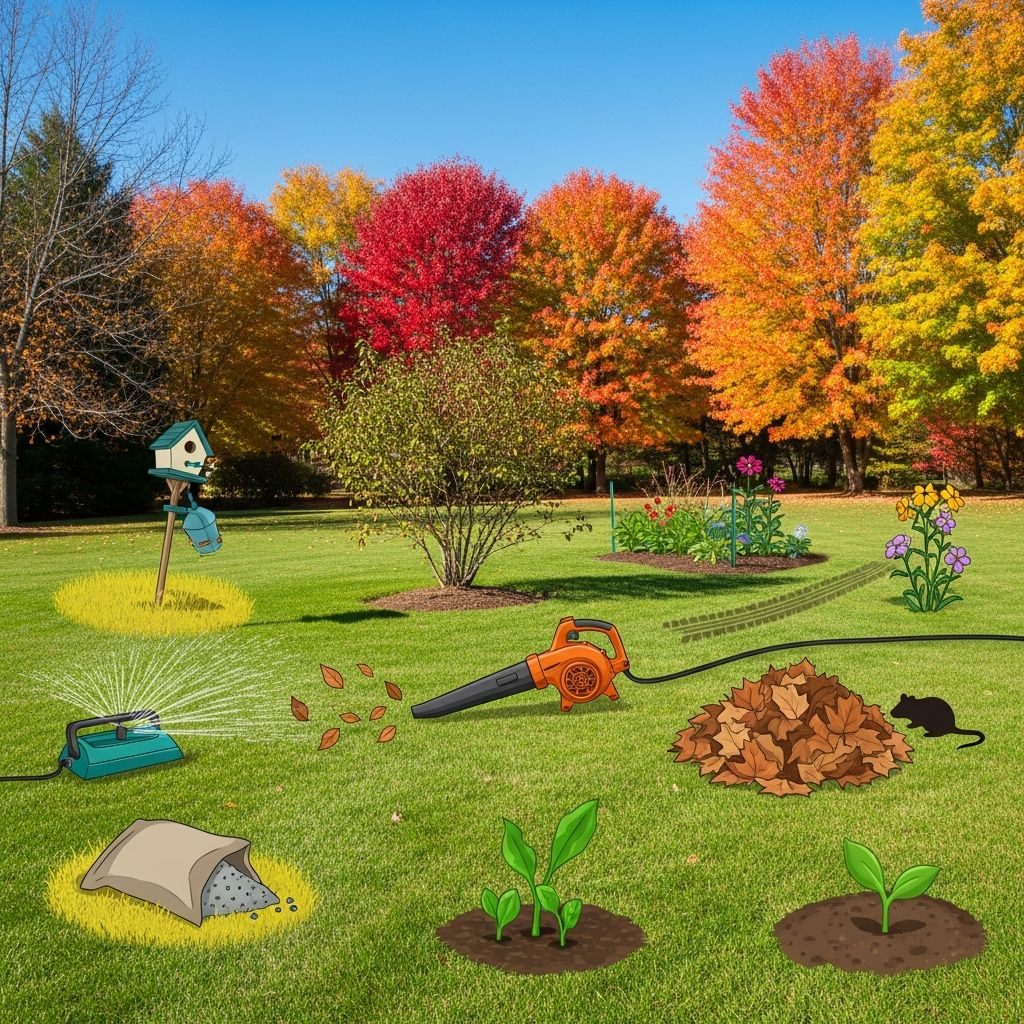
Fall is a crucial season for yard preparation, setting the stage for a healthy spring. However, common mistakes can harm your lawn, trees, and garden beds. This guide covers 10 critical errors to avoid, drawing from professional lawn care insights to help you maintain a thriving landscape.
1. Don’t Rake Leaves into the Street
Piling leaves in the street for municipal pickup seems convenient, but it clogs storm drains and contributes to water pollution. Leaves decompose and release nutrients into waterways, fostering algae blooms that disrupt aquatic ecosystems.
Instead, mulch leaves with a lawnmower or compost them. This returns organic matter to the soil, enriching it naturally. Mulching also reduces raking time and costs. According to lawn experts, leaving a thin layer of shredded leaves mimics forest floor conditions, promoting soil health without excess thatch buildup.
- Benefits of mulching: Improves soil fertility, suppresses weeds, retains moisture.
- Compost tip: Turn piles weekly for faster breakdown; use in spring for garden beds.
2. Don’t Bag Your Grass Clippings
Removing grass clippings deprives your lawn of valuable nitrogen—about 25% of its annual needs come from clippings. Bagging compacts waste and sends it to landfills, where it generates methane.
Leave clippings on the lawn, especially after fall’s slower growth. Modern mulching mowers chop them finely, preventing thatch. Research from turf management shows lawns with returned clippings stay greener with less fertilizer.
| Myth | Fact |
|---|---|
| Clippings cause thatch | Thatch forms from roots/stems, not clippings; mulching prevents issues |
| Bagging is cleaner | Mulched clippings decompose invisibly in days |
3. Don’t Fertilize Your Lawn Too Late
Late-season fertilization (after mid-October in most zones) spurs weak top growth vulnerable to winter kill. Roots stop actively growing as soil cools below 55°F, making excess nitrogen inefficient or harmful.
Apply a fall-specific, slow-release fertilizer in early September and again in November. This strengthens roots without lush foliage that frost damages. Check local extension services for timing based on your USDA hardiness zone.
- Split applications: 50% early fall, 50% late.
- Soil test first: Avoid over-fertilizing sandy soils prone to leaching.
4. Don’t Overwater in Fall
Cooler temperatures and shorter days reduce evaporation, so overwatering leads to soggy soil, root rot, and fungal diseases like brown patch. Aim for 1 inch per week, including rain.
Deep, infrequent watering encourages drought-resistant roots. Use a rain gauge or screwdriver test—if it penetrates 6 inches easily, soil is moist enough. Reduce frequency as dormancy approaches.
5. Don’t Prune Trees and Shrubs Now
Fall pruning exposes fresh cuts to pests and freezes, delaying healing until spring. Dormant-season cuts (late winter) minimize disease risk.
Remove only dead or crossing branches. For evergreens, avoid pruning after August to prevent tender growth. Proper technique: Cut at the branch collar, not flush, to promote natural sealing.
Exceptions: Light cleanup of storm-damaged limbs; disease-infected material (sterilize tools between cuts).
6. Don’t Till Your Garden Beds
Tilling disrupts soil structure, kills beneficial microbes, and brings weed seeds to the surface. Fall’s moist soil compacts easily, exacerbating erosion.
Sheet mulch instead: Layer cardboard, compost, and straw. Worms and fungi break it down over winter, improving tilth naturally. No-till methods boost yields by 20% long-term, per USDA studies.
- Layer order: Cardboard > 2-4 inches compost > mulch.
- Plant cover crops like clover for nitrogen fixation.
7. Don’t Plant Perennials Too Late
Perennials need 4-6 weeks to establish roots before ground freeze. Late planting leads to heaved roots from frost-thaw cycles.
Plant by mid-September in northern zones. Water deeply post-planting. Mulch crowns after hard frost (not before, to avoid vole habitat).
8. Don’t Ignore Lawn Aeration
Compacted soil from summer foot traffic starves roots of air, water, and nutrients. Skipping aeration perpetuates poor health.
Aerate cool-season grasses in early fall. Core aeration pulls plugs, relieving compaction. Overseed immediately after for thicker turf. In clay-heavy areas, annual aeration transforms lawn vitality.
9. Don’t Mow Too Short
Scalping weakens grass, exposing roots to cold and promoting weeds. Maintain 3-3.5 inches for fall; taller blades shade soil and retain moisture.
Lower gradually over weeks. Sharpen blades for clean cuts—dull ones tear and invite disease. Mow when dry, removing no more than 1/3 blade height per session.
10. Don’t Skip Weed Control
Fall is prime for broadleaf weeds like dandelions, which store nutrients in roots. Missing pre-emergent for crabgrass allows spring invasions.
Apply post-emergent herbicides when weeds are actively growing (daytime temps 50-70°F). Spot-treat to minimize chemical use. Cultural controls: Dense turf via proper mowing/fertilizing crowds out weeds.
Frequently Asked Questions (FAQs)
What is the best time for fall fertilization?
Early September and late November for slow-release formulas, tailored to your grass type and climate.
Can I mulch leaves if I have allergies?
Yes; mowing finely breaks down allergens. Rake excess to compost.
How do I know if my soil needs aeration?
Water pools, thin grass, or soil won’t absorb 1 inch water in 30 minutes indicate compaction.
Is fall seeding effective?
Ideal for cool-season grasses; avoid spring to prevent summer failure.
What if I accidentally prune too late?
Seal large cuts with tree paint; monitor for pests next season.
Additional Fall Yard Care Tips
Beyond avoiding mistakes, inspect irrigation for winterization, edge beds for neatness, and clean tools to prevent disease spread. These steps save time and money come spring.
References
- 4 Common DIY Lawn Care Mistakes (And Why You Should Hire Professional Care Lawn Services) — Kingstown Lawn. 2023. https://www.kingstownelawn.com/blog/diy-lawn-care-mistakes-hire-professional-care-lawn-services
- Five Yardwork Mistakes You’re Making This Fall — The Weather Network (YouTube). 2023. https://www.youtube.com/watch?v=VdPWCyJ8O40
- Five Common Mistakes with Fall Yard Maintenance — The Weather Network. 2023. https://www.theweathernetwork.com/en/news/nature/outdoors/five-common-mistakes-with-fall-yard-maintenance
Similar Articles








Read full bio of medha deb