10 Things You Should Never Buy Used, And Safer Alternatives
Save money wisely by avoiding these 10 used items that pose safety risks, health hazards, and hidden repair costs.
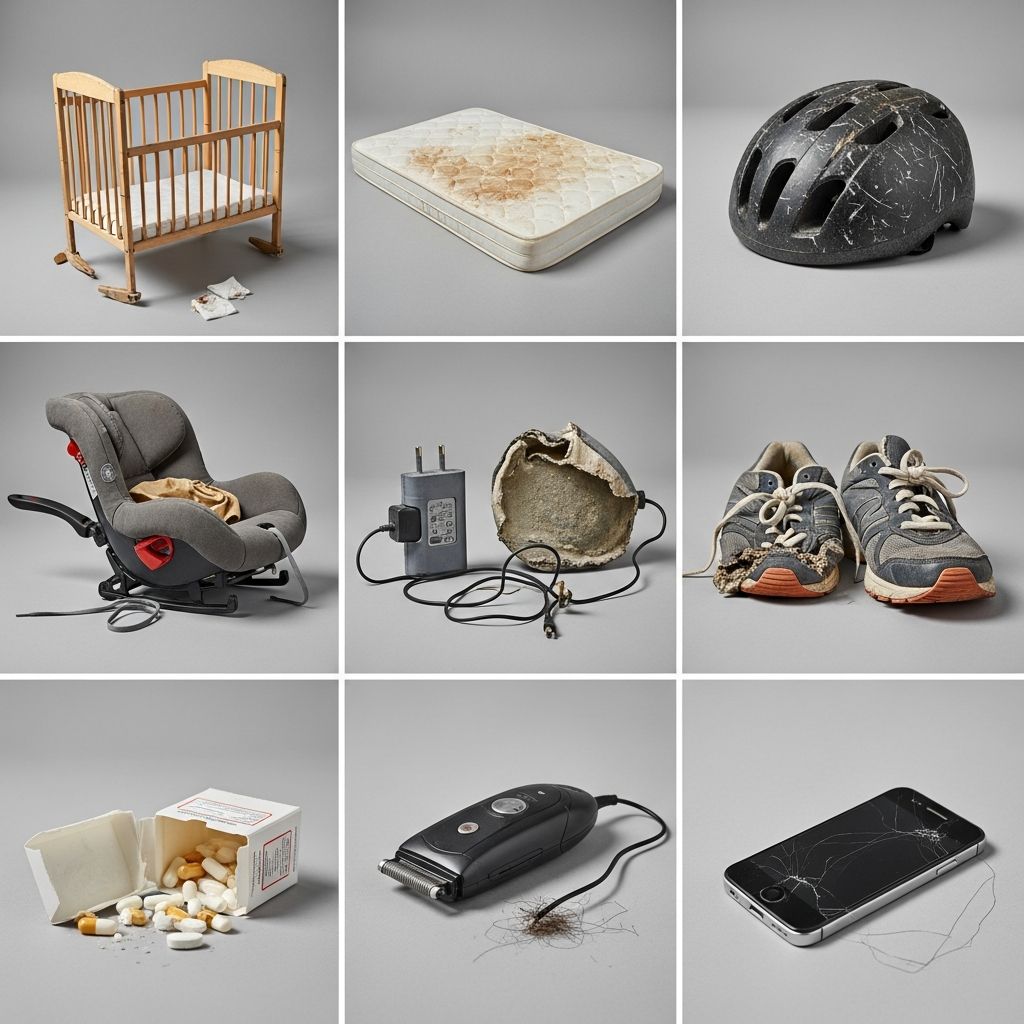
Thrifting and buying secondhand can be a fantastic way to save money and reduce waste, but not all items are safe or smart to purchase pre-owned. Certain products carry hidden risks like structural damage, bacterial contamination, or chemical degradation that you can’t easily detect. This article explores 10 things you should never buy used, drawing from expert consumer advice to help you shop smarter and safer.
Whether it’s items critical for child safety or personal hygiene products harboring invisible threats, knowing what to avoid ensures your bargain hunting doesn’t compromise health or security. We’ll break down each category with reasons, risks, and new-buy alternatives.
1. Helmets
Bike helmets, ski helmets, and other protective headgear are engineered to absorb impact energy during a single major accident. Once compromised—even invisibly—the foam core crushes and loses its protective capacity. Manufacturers like Bell and Giro explicitly state helmets are single-use for safety.
Buying used means gambling with your brain health; a previous crash could render it useless. The Consumer Product Safety Commission (CPSC) reports thousands of helmet-related injuries annually, emphasizing certified new helmets for reliability. Opt for new ones from reputable brands with CPSC seals, often under $50 on sale.
- Risk: Invisible internal damage from prior impacts.
- Alternative: New helmets with warranties and recall tracking.
- Cost savings myth: Used helmets sell for $10-20, but a head injury costs thousands.
2. Mattresses
Mattresses accumulate years of sweat, dead skin cells, dust mites, and allergens, doubling in weight over a decade according to sleep experts. Used ones often hide bed bugs, mold, or stains from previous owners’ bodily fluids.
The International Sleep Products Association warns against used mattresses due to hygiene issues and shortened lifespan. A 10-year-old mattress sags significantly, leading to back pain. New mattresses start at $200 for foam basics, with certifications like CertiPUR-US ensuring low emissions.
| Issue | New Mattress Benefit | Used Risk |
|---|---|---|
| Hygiene | Fresh, treated fabrics | Bacteria, mites buildup |
| Support | Full firmness | Sagging, discomfort |
| Warranty | 10+ years | None |
3. Cribs
Baby cribs must meet stringent federal standards for slat spacing, drop-side mechanisms, and finish safety. Used cribs may have wear, loose screws, or outdated designs recalled for entrapment risks. The CPSC has recalled millions of drop-side cribs since 2008.
Even if intact, wood can splinter or paint chip, posing choking hazards. Always buy new or certified gently used from trusted sources with full assembly history. New convertible cribs ($150+) grow with your child, offering long-term value.
- Red flags: Missing parts, chew marks, pre-2011 models.
- Safety check: Verify JPMA certification on new cribs.
4. Child Car Seats
Car seats endure crashes that deform plastic and straps, often undetectably. NHTSA mandates replacement after any accident, and used seats may have exceeded expiration dates (6-10 years) or lack recall history.
Side-impact protection degrades over time. Buy new for $50-200, including LATCH systems and easy installation. Programs like Safe Kids offer free inspections.
5. Underwear and Bathing Suits
These intimate items stretch out, harbor bacteria, fungi like yeast or jock itch, and odors no washing fully eliminates. Elastic fails, leading to poor fit and hygiene issues.
New underwear packs cost $10-20; bathing suits $20+. Prioritize cotton blends for breathability.
6. Cosmetics
Used makeup—foundation, mascara, lipsticks—breeds bacteria in 6 months, risking eye infections or acne. FDA advises discarding mascara every 3 months, even new.
Sample sizes or new minis are affordable alternatives to avoid staph or E. coli contamination.
7. Bath and Beauty Products
Shampoos, lotions, razors dull and contaminate with skin cells, pseudomonas bacteria thriving in moist environments. Razors cause nicks transmitting infections.
New drugstore options under $5 ensure sterility.
8. Tires
Used tires hide internal cracks, uneven wear, or dry rot, compromising traction. AAA reports used tires contribute to blowouts; always inspect tread depth and date codes.
New all-seasons start at $80 each with warranties.
9. Vacuums
Secondhand vacuums have clogged filters, worn belts, and weakened motors from heavy use. Rebuild costs rival new prices ($50-100), per consumer reviews.
Test new models in-store for suction power.
10. Laptops
Used laptops suffer battery degradation (80% capacity loss in 2-3 years), dust-filled fans, and obsolete hardware. Refurbished from manufacturers are safer than random used.
New budget laptops $300+ include warranties.
Frequently Asked Questions (FAQs)
Q: Are there any exceptions for buying these items used?
A: Yes, if from a trusted family member with full history, or professionally inspected (e.g., tires by mechanics). Otherwise, stick to new.
Q: How can I spot a safe used item?
A: Check for damage, expiration dates, recalls on CPSC/NHTSA sites, and seller reputation. But for these 10, new is best.
Q: What are safe things to buy used instead?
A: Clothing, books, furniture, tools, and dishes (post-1970). See our related article on best secondhand buys.
Smart Thrifting Tips
While avoiding these 10, thrift safely: inspect electronics for functionality, wash fabrics immediately, and use apps like OfferUp with buyer protections. Balance savings with safety for sustainable shopping.
References
- Safe Kids Worldwide: Car Seat Safety Guidelines — National Highway Traffic Safety Administration (NHTSA). 2024-06-15. https://www.nhtsa.gov/equipment/car-seats-and-booster-seats
- Cribs and Infant Products Safety — U.S. Consumer Product Safety Commission (CPSC). 2025-03-10. https://www.cpsc.gov/Safety-Education/Safety-Guides/Cribs
- Mattress Hygiene and Allergy Prevention — American Academy of Allergy, Asthma & Immunology. 2023-11-20. https://www.aaaai.org/conditions-treatments/allergies/bed-bugs-dust-mites
- Tire Maintenance and Safety Standards — American Automobile Association (AAA). 2024-09-05. https://www.aaa.com/autorepair/articles/tire-safety
- Cosmetics Safety and Expiration — U.S. Food and Drug Administration (FDA). 2024-02-28. https://www.fda.gov/cosmetics/cosmetics-laws-regulations/it-safe-use-expired-cosmetics
Similar Articles








Read full bio of Sneha Tete