10 Things You Need in Your Winter Survival Kit
Essential items to prepare your winter survival kit for safe travel and emergencies in harsh cold weather conditions.
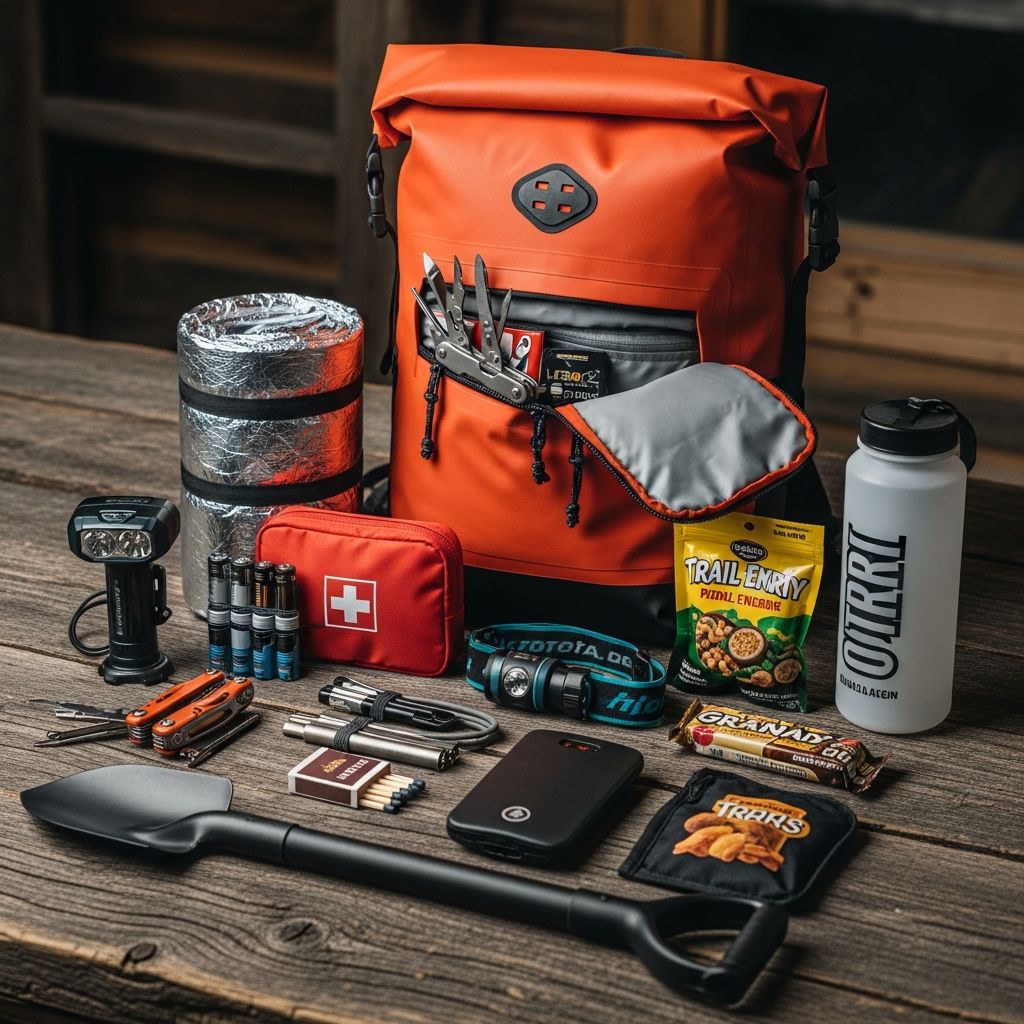
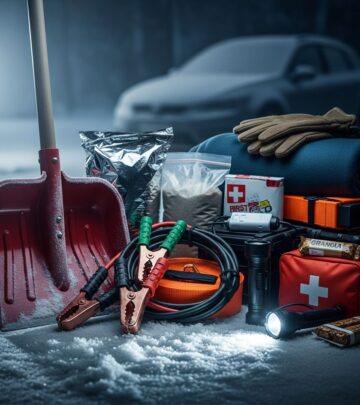
Winter driving presents unique challenges, from icy roads to sudden blizzards that can strand motorists for hours or days. A well-stocked winter survival kit in your vehicle can be the difference between discomfort and life-threatening hypothermia. According to the National Weather Service, proper preparation with essentials like blankets, food, and signaling devices significantly improves survival odds in cold-weather emergencies. This guide outlines
10 essential items
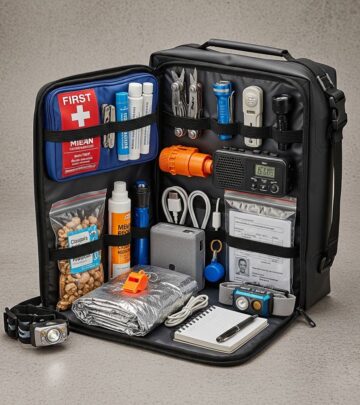
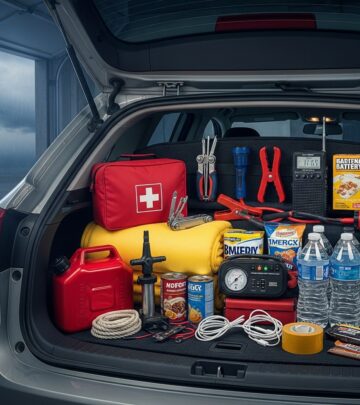
every driver should include, drawing from official checklists and expert recommendations to ensure you’re ready for the worst winter conditions.Maintaining such a kit not only enhances personal safety but also prepares you to assist others. Keep your kit in a durable, waterproof container accessible from both front and rear seats, and check it monthly for expired items or low batteries. With extreme weather events increasing, as noted in recent preparedness reports, investing time in assembly now pays dividends when temperatures plummet.
1. Blankets or Sleeping Bags
Retaining body heat is priority one when stranded in sub-zero temperatures. High-quality wool blankets or a rated sleeping bag can provide 5-10°C of perceived warmth, preventing hypothermia which sets in after 30 minutes of exposure below freezing. The National Weather Service explicitly recommends blankets or sleeping bags as core items, alongside extra clothing like hats, mittens, and boots.
Opt for mylar emergency blankets for their compact size and reflective properties that trap up to 90% of body heat. For longer-term stranding, a full sleeping bag rated to -20°F offers superior insulation. Layer these with spare socks, gloves, and a hat, as most heat loss occurs through the head and extremities. Real-world tests show these items can extend safe exposure time by hours, buying critical rescue window.
- Wool or synthetic blankets (non-cotton to avoid moisture retention)
- Mylar space blankets (pack of 2-4)
- Child-sized bags for family kits
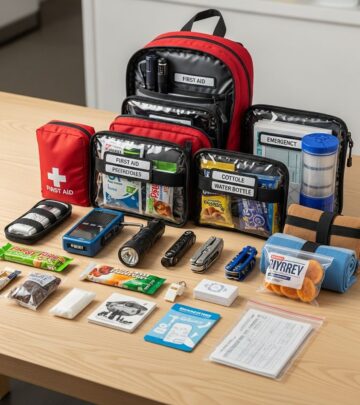
2. First Aid Kit
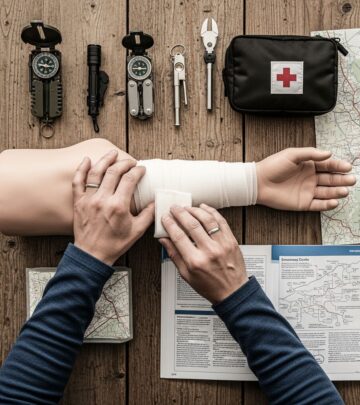
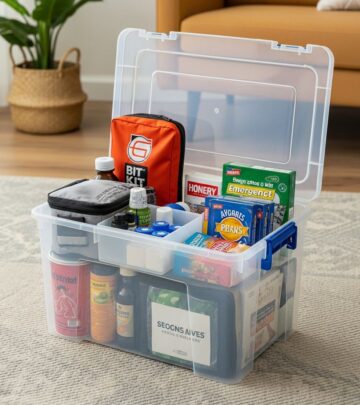
Injuries from slips on ice or carbon monoxide risks in enclosed vehicles demand a comprehensive first aid kit. The American Red Cross mandates including bandages, antiseptics, tourniquets, and medications for a 7-day supply in survival kits. Customize for your needs, adding pain relievers, anti-diarrheals, and any prescription meds.
Winter-specific additions: instant cold packs for sprains, chemical hand warmers for frostbite treatment, and a tourniquet for severe bleeding. Studies indicate that prompt first aid reduces complication rates by 40% in remote emergencies. Store in a waterproof case and include a first aid manual.
| Essential Items | Purpose |
|---|---|
| Bandages, gauze, tape | Wound care |
| Antiseptic wipes | Infection prevention |
| Tourniquet, scissors | Severe trauma |
| Medications (ibuprofen, antihistamines) | Pain, allergies |
3. Non-Perishable Food
High-calorie, non-perishable foods sustain energy when rescue delays extend beyond hours. Granola bars, nuts, energy bars, and MREs provide quick fuel; aim for 2,000-3,000 calories per person per day in cold conditions, as the body burns more to stay warm. Juice pouches resist freezing better than water bottles.
A compact isobutane stove can melt snow for hot meals, boosting morale and heat retention per survival studies. Avoid chocolate in extreme cold as it melts; prioritize nuts, dried fruits, and jerky. The Red Cross advises a 3-day supply minimum, extendable to two weeks for home kits adaptable to vehicles.
- Energy bars (10-12 count)
- Nuts and dried fruits (1 lb bags)
- MREs or freeze-dried meals (3-6 pouches)
- Hard candy for morale
4. Flashlight and Extra Batteries
Visibility drops sharply at night; a reliable LED flashlight with extra batteries or a hand-crank model illuminates your position and aids repairs. The NDDOT and Weather Service list this as essential, noting strobe functions for signaling.
Choose waterproof models with red night-vision modes to preserve eyesight. Multifunction units doubling as power banks, like the NOCO Boost XL, charge phones while providing light. Rotate batteries seasonally to combat cold-induced drain, which can halve lifespan.
5. Booster Cables or Jump Starter
Cold cranks batteries dead; jumper cables or a portable jump starter revive engines. Keep cables heavy-duty (4-0 gauge) for quick starts, and a lithium jump starter for solo use. The Weather Service checklist includes booster cables as standard.
Test monthly; a dead battery strands 1 in 5 winter drivers. Pair with a multimeter for diagnostics.
6. Ice Scraper and Snow Brush
Clear visibility prevents accidents; a sturdy scraper with brush removes ice fast. Extendable models reach rooflines.
Prevent wiper freeze with covers; this basic tool averts post-storm pileups.
7. Sand, Kitty Litter, or Traction Aids
Spinning tires in snow? Spread non-clumping cat litter, sand, or traction mats under wheels for grip. A collapsible shovel aids digging out.
Kitty litter’s absorbency also handles spills; refresh annually.
8. Bottled Water
Dehydration hits fast in cold; store 1 gallon per person/day, insulated to prevent freezing. Add purification tablets.
Melt snow only as supplement—it’s hypotonic and chills core temp.
9. Flares, Triangles, or Reflective Gear
Alert rescuers with flares, triangles, or a hi-vis vest. LED beacons offer reusability.
Place 100m behind vehicle; reflective tape on kit boosts visibility.
10. Cell Phone Charger and Emergency Radio
Stay connected with a power bank, hand-crank charger, and NOAA radio for alerts. Solar options ensure power.
Include written contacts; 80% rely on phones, but cold drains them fast.
Additional Winter Survival Tips
Beyond the top 10, add a whistle, duct tape, multi-tool, maps, and keep tank half-full. Tailor for family: baby supplies, pet food. Run engine 10 mins/hour with ventilation to avoid CO buildup.
Frequently Asked Questions (FAQs)
Q: How often should I check my winter survival kit?
A: Monthly, or before winter travel; replace expired food, test batteries, and ensure tools function.
Q: Can I use regular blankets instead of wool?
A: Wool is best for moisture-wicking; cotton retains dampness, accelerating hypothermia.
Q: What’s the minimum food supply for a kit?
A: 3 days per person, high-calorie non-perishables per Red Cross guidelines.
Q: How do I store water without freezing?
A: Use insulated bottles or juice pouches; place inside vehicle, not trunk.
Q: Is a portable heater safe in a car?
A: Use vented propane models or tea lights sparingly with cracked windows to prevent CO poisoning.
References
- 20+ Must-Have Items to Put in Your Car’s Winter Survival Kit — Canadian Preparedness. 2023. https://canadianpreparedness.com/blogs/news/20-must-have-items-to-put-in-your-winter-car-survival-kit
- Car Winter Survival Kit Checklist — National Weather Service. 2023. https://www.weather.gov/media/dmx/Preparedness/CarWinterSurvivalKitChecklist.pdf
- What Do You Need In a Survival Kit — American Red Cross. 2024-01-12. https://www.redcross.org/get-help/how-to-prepare-for-emergencies/survival-kit-supplies.html
- Winter Survival Gear Checklist — Roxon Tools. 2023. https://roxontool.com/blogs/news/winter-survival-gear-checklist
- Winter Survival Kit — North Dakota Department of Transportation. 2024. https://visionzero.nd.gov/strategies/winterdriving/wintersurvivalkit/
Similar Articles








Read full bio of medha deb