10 Things in Your Basement You Should Throw Out Today
Declutter your basement now: Discover 10 common items taking up space and learn smart ways to dispose of them safely and effectively.
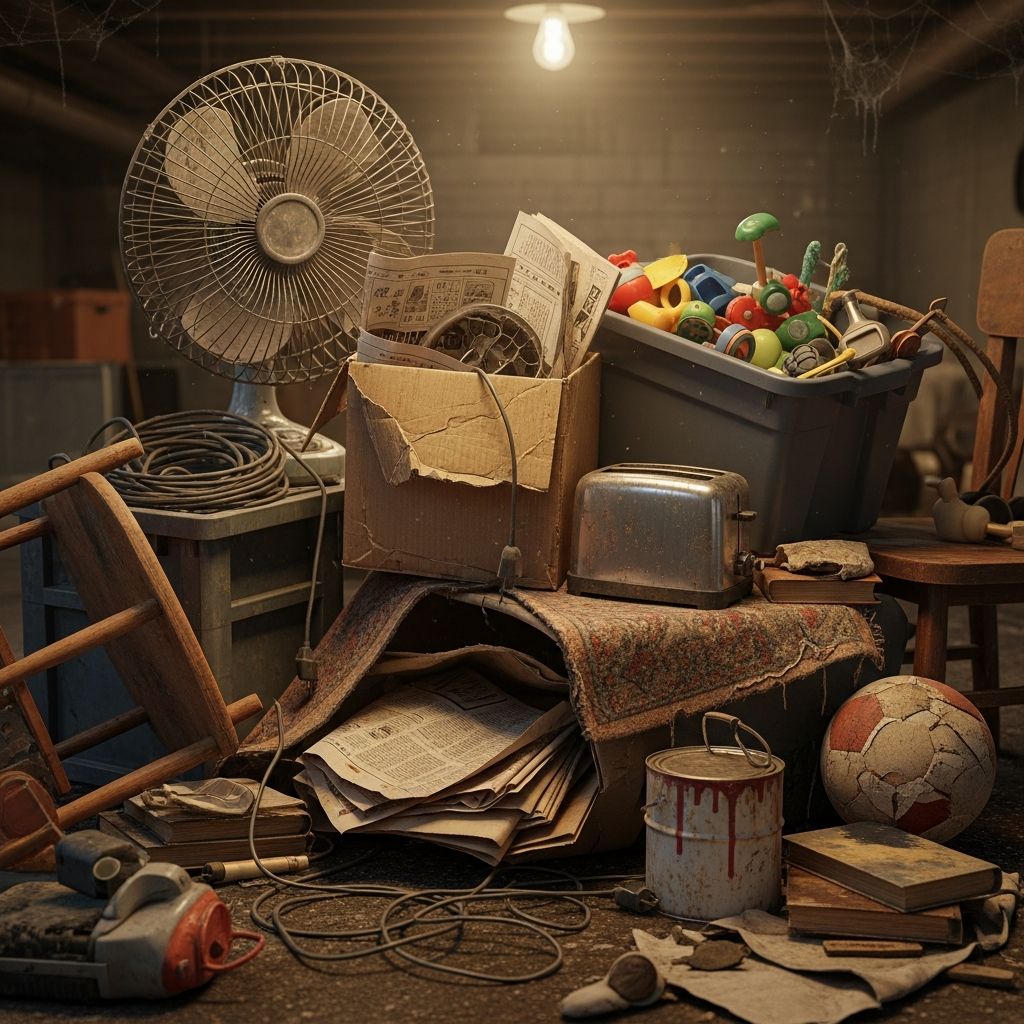
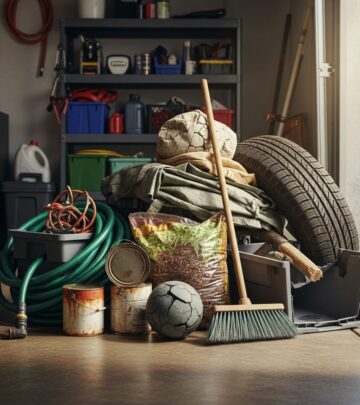
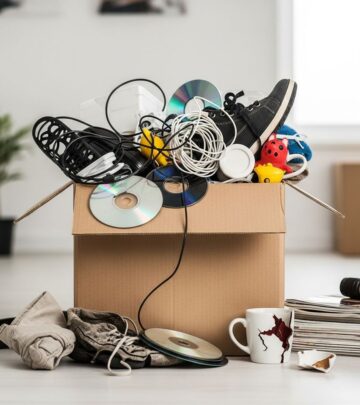
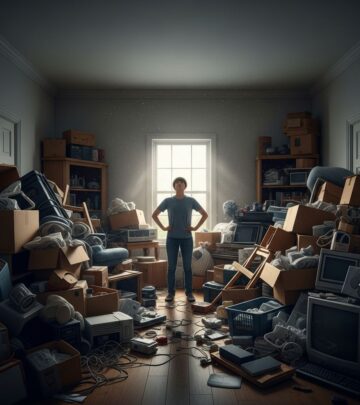
Basements are notorious for collecting clutter that piles up over years, turning valuable storage space into a chaotic mess. From dusty boxes to outdated gadgets, these items not only waste space but can pose safety risks like mold growth or fire hazards. According to the Environmental Protection Agency (EPA), proper decluttering reduces household hazards and improves air quality. This article outlines
10 common basement items
you should throw out today, with step-by-step disposal guidance to make the process easy and responsible.Reclaiming your basement starts with commitment. Set aside a weekend, gather supplies like trash bags, recycling bins, and gloves, and tackle one category at a time. You’ll feel lighter—and your space will thank you.
1. Computer, Electronic, and Appliance Boxes
Those massive boxes from your new laptop, fridge, or TV seem like perfect moving aids, but they’re just collecting dust. In reality, retailers provide new boxes if needed, and bulky cardboard takes up disproportionate space in humid basements, inviting pests or mold.
- Why toss them: Irrational hoarding; easy to replace.
- How to dispose: Flatten and recycle curbside or at local centers. Check your city’s recycling guidelines—most accept cardboard.
Pro tip: Snap photos of serial numbers inside devices for warranties instead of keeping boxes. This simple swap frees up dozens of square feet instantly.
2. Old Electronics
VCRs, chunky CRT monitors, ancient cell phones—basements are graveyards for obsolete tech. These items contain hazardous materials like lead and mercury, which leach into soil if improperly discarded. The EPA notes that e-waste is the fastest-growing waste stream globally.
- Why toss them: Obsolete, bulky, environmentally toxic.
- How to dispose: Use Earth911.com or Call2Recycle.org to find local e-waste recyclers. Many cities host annual events; Best Buy and Staples offer drop-offs.
Before purging, wipe personal data from devices using factory resets. Donate working items to schools via Computers with Causes if functional.
3. Cables, Wires, and Chargers
Tangled nests of USB cables, old power cords, and mystery chargers accumulate endlessly. Most are incompatible with modern devices, yet we keep them “just in case.” A Consumer Reports survey found 70% of households have unused cables cluttering spaces.
- Why toss them: Redundant; create trip hazards and fire risks.
- How to dispose: Bundle keepers by type (label with tape). Recycle the rest at electronics centers—many metals are recoverable.
Streamline: Invest in a universal cable set (under $20) to replace orphans. Sort into a “test pile”—plug into devices to verify use.
4. Owner’s Manuals
Piles of paper manuals for appliances long discarded or upgraded. Digital versions are now standard; manufacturers archive PDFs online. Keeping physical copies in damp basements leads to illegible, moldy messes.
- Why toss them: Digitize easily; space hogs.
- How to dispose: Scan important ones via apps like Adobe Scan, upload to cloud storage. Shred and recycle paper.
Search “[brand] [model] manual PDF”—99% available free. File digitally by category for quick access.
5. Hazardous Materials
Half-used paint cans, expired motor oil, old antifreeze, corroded batteries—these are ticking time bombs. The EPA warns improper storage risks contamination and health issues like respiratory problems. Basements’ poor ventilation exacerbates fumes.
| Item | Risks | Disposal Site |
|---|---|---|
| Paint | Volatile vapors | Household Hazardous Waste (HHW) facility |
| Motor Oil | Soil/groundwater pollution | Auto parts stores (free) |
| Batteries | Acid leaks | Call2Recycle drop-offs |
- Why toss them: Safety first; illegal to dump.
- How to dispose: Search Earth911.com by ZIP code for HHW events. Never pour down drains.
6. Unused Small Kitchen Appliances
Bread makers, waffle irons, single-use gadgets from holidays or infomercials gather dust. If unused for a year, they’re clutter. Goodwill reports kitchen donations spike post-holidays as regret sets in.
- Why toss them: False hope of use; countertop space savers elsewhere.
- How to dispose: Donate to Goodwill, Salvation Army, or Habitat for Humanity ReStores if clean/working.
Ask: “Would I buy this today?” No? Out it goes. Sell on Facebook Marketplace for quick cash.
7. Unused Exercise Equipment
Ellipticals turned sweater dryers, rusty weights, pre-injury skis—loss aversion keeps them. Studies show 80% of home gym gear goes unused after six months (American Council on Exercise).
- Why toss them: Guilt-driven hoarding; injury risks from clutter.
- How to dispose: Donate to YMCA or sell on Craigslist. Trash broken frames responsibly.
Commit to gym membership instead—proven more effective for fitness.
8. Sports Equipment
League jerseys, deflated balls, warped bats—seasonal gear unused for years. Donate to make room for current hobbies.
- Why toss them: Outgrown or broken; inspires action elsewhere.
- How to dispose: Contact local Boys & Girls Clubs, Special Olympics, or schools. Craigslist for sellable items.
Tax deduction bonus: Keep receipts for valuations over $250.
9. Old Christmas Ornaments and Bulbs
Cracked glass balls, burned-out strings—Pinterest dreams rarely materialize. Broken shards are hazards.
- Why toss them: Unsafe; poor storage degrades them.
- How to dispose: Donate intact sets to shelters; trash/recycle broken (wrap to prevent injury).
Refresh with affordable sets from discount stores annually.
10. Baby Items and Board Games with Missing Pieces
Expired carseats (replace every 6-10 years per NHTSA), worn clothes, strollers. Games like Monopoly minus key cards are worthless.
- Why toss them: Safety dates; incomplete sets unplayable.
- How to dispose: Donate usable baby gear to crisis pregnancy centers. Freecycle games for artists; trash the rest.
For baby items: If not expanding family soon, pass on now—better for current families.
Bonus Tips for Lasting Declutter
Adopt the “10 Things a Day” rule: Remove 10 items daily to prevent rebound clutter. Use Freecycle, Buy Nothing groups, and apps like OfferUp. Label keepers clearly; review storage quarterly.
- Prevent future hoarding: One-in, one-out rule.
- Safety check: Clear paths to exits, reduce moisture with dehumidifiers.
- Mental boost: Decluttering lowers cortisol (per UCLA study).
Frequently Asked Questions (FAQs)
What if I might need it someday?
Challenge the ‘just in case’ myth—90% never used again. Digitize or replace cheaply.
Are there tax benefits to donating?
Yes, itemize for fair market value; use ItsDeductible app for estimates.
How do I handle sentimental items?
Photograph, then release. Keeps memory, frees space.
What’s the best basement organization after?
Shelving units, clear bins, vertical storage. Zone by use: seasonal, tools, etc.
Can kids help declutter?
Absolutely—teach by example; let them choose toys to donate.
References
- Household Hazardous Waste Guidance — U.S. Environmental Protection Agency. 2024-06-15. https://www.epa.gov/hw/household-hazardous-waste-hhw
- Managing and Reducing Wastes: Electronics — U.S. Environmental Protection Agency. 2025-01-10. https://www.epa.gov/smm-electronics
- Cable Management Consumer Survey — Consumer Reports. 2024-03-22. https://www.consumerreports.org/electronics/cable-management/
- Donation Statistics — Goodwill Industries International. 2024-11-01. https://www.goodwill.org/about-us/goodwill-facts/
- Home Fitness Equipment Usage Study — American Council on Exercise. 2023-09-18. https://www.acefitness.org/resources/everyone/blog/
- Car Seat Expiration Guidelines — National Highway Traffic Safety Administration. 2025-02-05. https://www.nhtsa.gov/equipment/car-seats-and-booster-seats#car-seat-inspections
Similar Articles








Read full bio of Sneha Tete