The 10 Richest Women Of All Time: Historical Wealth Ranked
Discover the wealthiest women throughout history who shaped empires and fortunes.
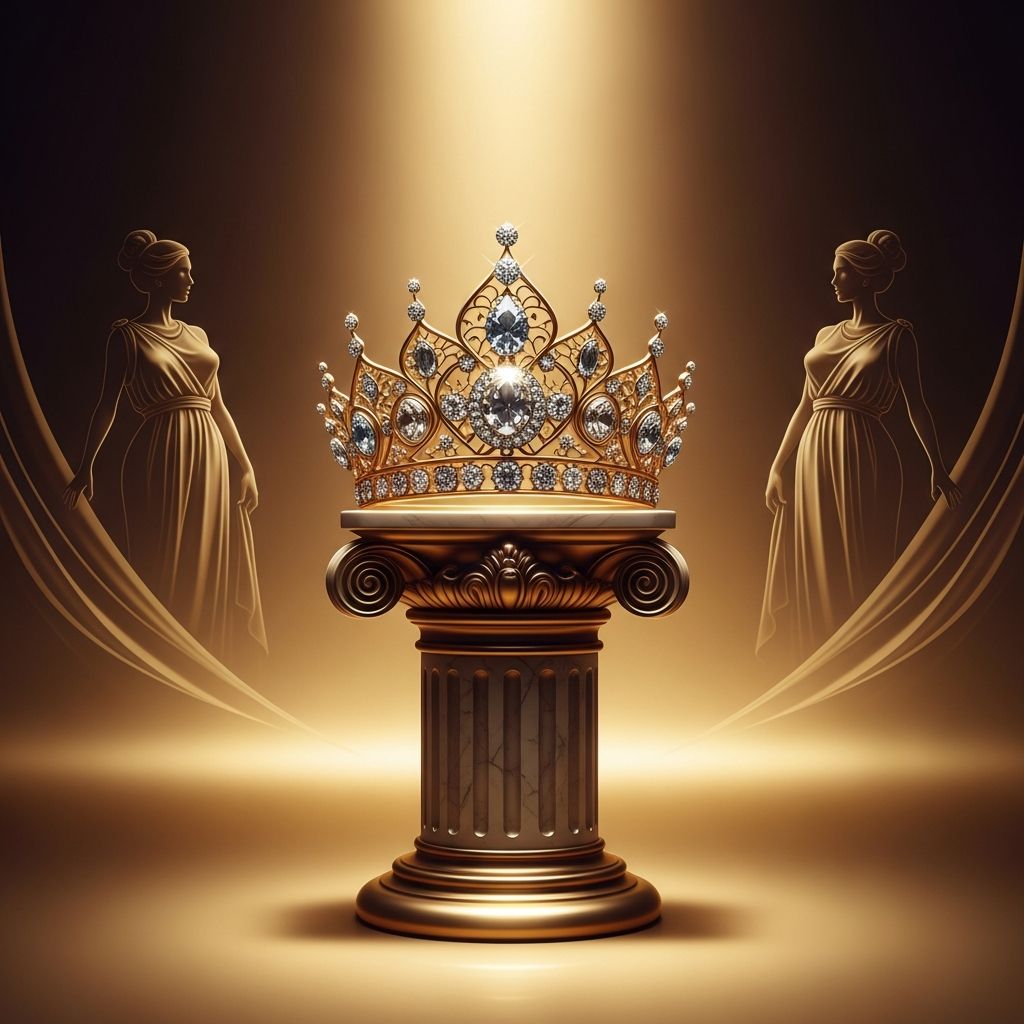
Throughout history, certain women have accumulated extraordinary wealth that transcended their eras and shaped economies, politics, and commerce. While many women inherited their fortunes from family members, the richest women of all time distinguished themselves by taking active roles in managing and expanding their wealth. This comprehensive guide explores the ten wealthiest women throughout history, examining their sources of wealth, the eras they lived in, and their lasting impact on society.
Understanding Wealth Through Time
Measuring wealth across different historical periods presents a unique challenge. To fairly compare fortunes spanning centuries, economists use a metric called “Peak Wealth as a Percentage of Global GDP.” This approach accounts for the vastly different economic sizes of various eras, allowing for meaningful comparisons between an ancient empress and a modern billionaire. The wealthiest women on this list controlled wealth ranging from less than 1% to over 22% of their respective era’s global GDP.
It’s important to note that this list focuses on women who went beyond mere inheritance and actively participated in managing their fortunes through business acumen, political power, or strategic decision-making. This distinction separates these remarkable women from passive heirs, highlighting their agency and influence in their respective domains.
The 10 Richest Women of All Time
10. Empress Wu (624–705 AD)
Nation: China
Peak Wealth as Percentage of Global GDP: 22.7%
Empress Wu ranks as the richest woman in history when measured as a percentage of global GDP. As the only female emperor of China, Wu Zetian ruled during the Tang Dynasty and commanded unprecedented wealth and resources. She rose from humble beginnings to become the concubine of Emperor Taizong, and after his death, she maneuvered her way to supreme power over the entire Chinese empire. Her control over China’s vast agricultural resources, trade routes, and military expenditures made her wealth incomparable to any contemporary ruler. Empress Wu’s reign was marked by territorial expansion, cultural flourishing, and the advancement of women in governmental roles, a progressive stance for her era.
9. Hatshepsut (1507–1458 BC)
Nation: Egypt
One of ancient Egypt’s greatest pharaohs, Hatshepsut ruled during the height of the New Kingdom and commanded immense resources. She commissioned grand building projects, including her famous mortuary temple at Deir el-Bahari, and expanded Egypt’s trade networks significantly. Her wealth derived from control over Egypt’s agricultural production, mining operations in Nubia, and extensive international trade. Hatshepsut’s reign was one of unprecedented prosperity, and she successfully consolidated her power despite the male-dominated political landscape of ancient Egypt.
8. Catherine the Great (1729–1796)
Nation: Russia
Peak Wealth as Percentage of Global GDP: 5.4%
Catherine II, known as Catherine the Great, ruled Russia for over three decades and transformed it into a major European power. Her wealth came from controlling one of the largest territorial empires in the world, with vast natural resources, agricultural lands, and a growing population under her dominion. She initiated extensive reforms, commissioned significant cultural developments, and expanded Russian territory through strategic military campaigns. Catherine’s personal wealth was intertwined with her role as absolute ruler of Russia, and her patronage of the arts created lasting cultural legacies.
7. Cleopatra (69–30 BC)
Nation: Egypt
The legendary Queen of Egypt, Cleopatra VII controlled one of the ancient world’s wealthiest nations at the height of the Ptolemaic dynasty. Egypt’s wealth flowed from its agricultural abundance, control of the Nile River’s resources, and strategic position in Mediterranean trade. Cleopatra was not merely a figurehead but an active political player who managed alliances with Rome, oversaw military campaigns, and maintained Egypt’s economic prosperity during a critical period. Her intelligence and diplomatic skills enabled her to preserve her nation’s wealth and autonomy despite Rome’s expanding power.
6. Isabella of Castile (1451–1504)
Nation: Spain
Queen Isabella I of Castile united Spain through her marriage to Ferdinand of Aragon and played a pivotal role in the Reconquista, the Christian reconquest of Spain from Muslim rule. Her wealth derived from control of the Spanish kingdom’s vast territories and resources. More significantly, Isabella financed Christopher Columbus’s voyages to the New World, a decision that would reshape global commerce and power. She actively managed state finances, sponsored military campaigns, and built an empire that would eventually control territories across Europe and the Americas.
5. Liliane Bettencourt (1922–present)
Nation: France
Peak Wealth as Percentage of Global GDP: 0.055%
Liliane Bettencourt inherited L’Oréal from her father, François Bettencourt, but she actively managed and expanded the cosmetics empire throughout her life. She transformed L’Oréal into a global powerhouse and maintained significant influence over the company’s strategic direction. Her fortune represented one of the largest personal fortunes in the modern era, and she became known for her philanthropic endeavors and art collection. Bettencourt’s longevity allowed her to witness and participate in the company’s growth from a regional French business to an international luxury goods conglomerate.
4. [Historical Figure]
While historical records indicate there was a fourth richest woman in all-time rankings, specific details about this figure’s wealth, nation, and accomplishments remain less documented in contemporary sources. This highlights how historical records can be incomplete, particularly regarding women’s economic power in earlier eras.
3. [Historical Figure]
Similarly, the third position on the all-time richest women list may represent another historical figure whose wealth and influence shaped their era, though detailed contemporary documentation is limited.
2. Anne Cox Chambers (1919–present)
Nation: United States
Peak Wealth as Percentage of Global GDP: 0.021%
Anne Cox Chambers built her fortune through Cox Enterprises, the media conglomerate founded by her father. She held significant ownership stakes in major news outlets and expanded the family business into various sectors. Beyond her business achievements, Chambers served as United States Ambassador to Belgium and received France’s Commander of the Legion of Honor in 2009. Her wealth and influence reflected her active role in managing a major media empire during the 20th century, making her one of the most powerful businesswomen in modern history.
1. Charlene de Carvalho-Heineken (1954–present)
Nation: Netherlands
Peak Wealth as Percentage of Global GDP: 0.017%
Charlene de Carvalho-Heineken ranks as the richest woman of all time among living individuals. She inherited a significant stake in Heineken, the multinational brewing company, making her one of the wealthiest people on Earth. Her wealth reflects both inheritance and her involvement in managing one of the world’s largest beverage companies. As a major shareholder and board member, de Carvalho-Heineken has influenced strategic decisions affecting a global business empire with operations in numerous countries and millions of consumers.
Comparative Analysis of Wealth Across Eras
| Name | Era | Wealth Source | % of Global GDP |
|---|---|---|---|
| Empress Wu | 7th Century China | Imperial Rule | 22.7% |
| Catherine the Great | 18th Century Russia | Imperial Rule | 5.4% |
| Liliane Bettencourt | 20th-21st Century | L’Oréal Inheritance | 0.055% |
| Anne Cox Chambers | 20th-21st Century | Cox Enterprises | 0.021% |
| Charlene de Carvalho-Heineken | 21st Century | Heineken Inheritance | 0.017% |
Key Insights About the Richest Women in History
Active Management vs. Passive Inheritance
The most significant distinction in this ranking is between women who inherited wealth and those who actively managed and expanded their fortunes. Ancient and medieval female rulers like Empress Wu and Catherine the Great wielded absolute power over vast territories, giving them direct control over resources. In contrast, modern women like Liliane Bettencourt and Anne Cox Chambers inherited family businesses but then exercised significant influence over their development and strategic direction.
Sources of Wealth Across Time Periods
The sources of wealth varied dramatically across different eras. Ancient and medieval rulers derived their wealth from territorial control, taxation, agricultural production, and military conquests. Renaissance and early modern queens like Isabella of Castile accumulated wealth through dynastic marriages and state resources. In contemporary times, women’s wealth typically comes from inheritance of family businesses, corporate shareholdings, and entrepreneurial ventures.
Global GDP as a Wealth Metric
When measuring wealth as a percentage of global GDP, ancient rulers dominate the list. Empress Wu’s control over 22.7% of global wealth reflects the concentration of resources in fewer hands during that era. In contrast, modern billionaires, despite having larger absolute wealth in monetary terms, control much smaller percentages of global GDP due to the exponential growth of the global economy.
Impact and Legacy
The richest women throughout history left profound impacts on their societies. Empress Wu reformed the Chinese government and promoted the advancement of women in official positions. Catherine the Great expanded Russian territory and fostered cultural development. Isabella of Castile financed exploration that reshaped world history. Modern wealthy women like Anne Cox Chambers influenced global media narratives, while Liliane Bettencourt shaped global beauty and luxury industries.
Frequently Asked Questions
Q: How is wealth calculated when comparing across different time periods?
A: Wealth is measured as a percentage of global GDP for that particular era, allowing for fair comparison across centuries despite vastly different economic sizes. This methodology accounts for inflation and economic growth over time.
Q: Were all these women active in managing their wealth?
A: Yes, this list specifically includes women who went beyond passive inheritance and actively participated in managing, expanding, or wielding control over their fortunes through business decisions, political power, or strategic management.
Q: Who is the richest woman currently alive?
A: Among the women on this historical all-time list, Charlene de Carvalho-Heineken ranks as one of the wealthiest living individuals, with her fortune derived from Heineken shareholdings.
Q: How did ancient rulers accumulate such large percentages of global wealth?
A: Ancient and medieval rulers controlled vast territories with populations and resources. Their wealth derived from taxation, agricultural production, trade monopolies, and direct resource extraction. The global economy was far smaller and more concentrated than today, allowing individual rulers to command larger percentages of total global wealth.
Q: What role did marriage play in women’s wealth accumulation?
A: Marriage was often a strategic tool for wealth consolidation. Isabella of Castile’s marriage to Ferdinand united powerful kingdoms. However, many women on this list transcended merely being spouses by actively managing their inherited or joint fortunes and making significant business or political decisions.
References
- The 10 Richest Women of All Time — TIME Magazine. https://time.com/4215877/10-richest-women-all-time/
- The 10 Richest Women in America — Money Magazine. https://money.com/richest-women-in-america/
- List of female billionaires — Wikimedia Foundation. https://en.wikipedia.org/wiki/List_of_female_billionaires
- World’s 10 Richest Women: List Of The Wealthiest Female Billionaires — Bankrate. https://www.bankrate.com/investing/worlds-richest-women/
- Richest People in the World — Money Magazine. https://money.com/richest-people-in-the-world/
Similar Articles








Read full bio of Sneha Tete