10 Reasons You Should Be Grilling on Gas
Discover why gas grilling offers superior convenience, cost savings, and performance for your backyard cookouts.
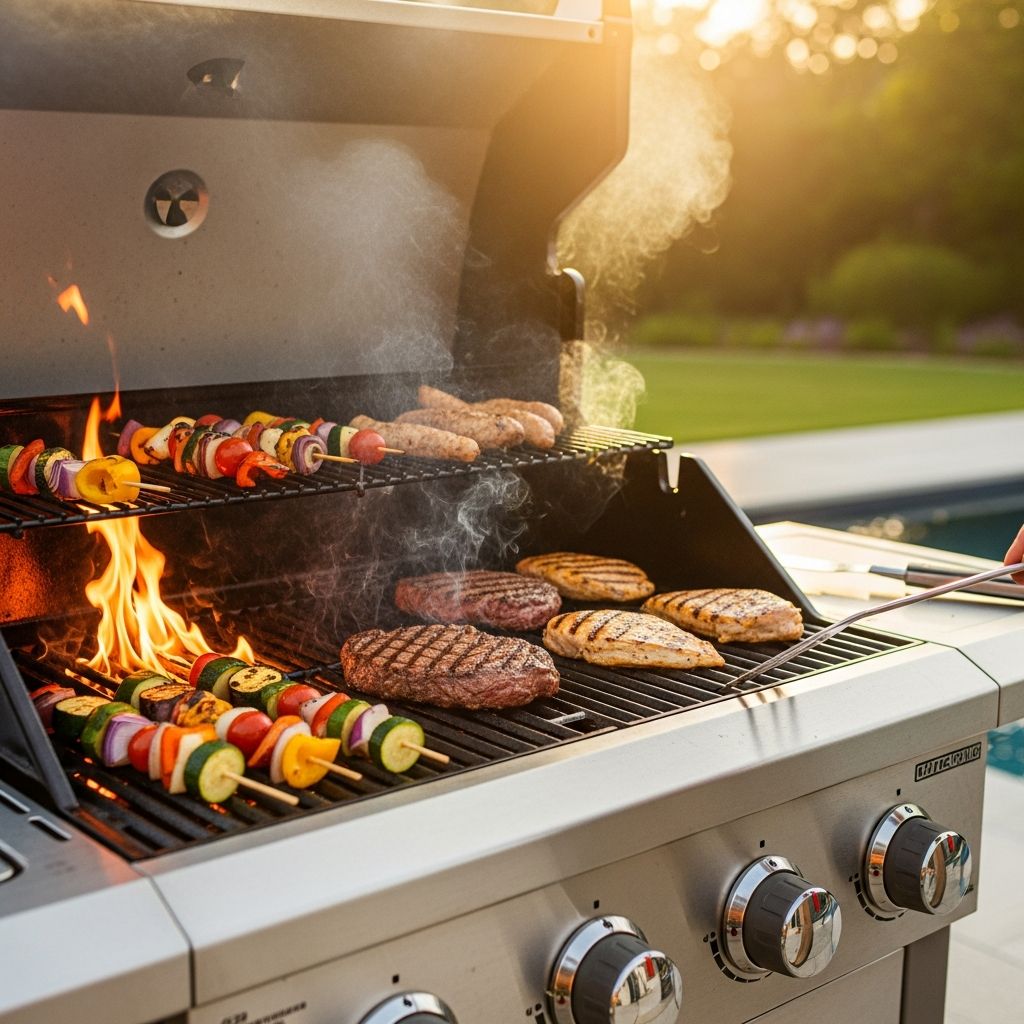
There’s nothing quite like the experience of firing up a grill and cooking a delicious meal in your backyard. While the debate between gas and charcoal grilling has raged for decades, gas grilling offers numerous compelling advantages that make it the preferred choice for millions of homeowners. Whether you’re a casual weekend cook or a serious outdoor chef, understanding the benefits of gas grilling can help you make an informed decision about your next grill purchase. Here are ten excellent reasons why gas should be your fuel of choice.
1. Precise Temperature Control for Better Cooking Results
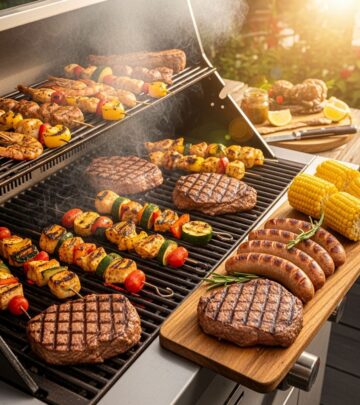
One of the most significant advantages of gas grilling is the ability to cook your food at a specific, controlled temperature. If you want to prepare steaks that require super-hot heat or vegetables that cook best at medium temperature, gas gives you the precision to adjust accordingly. Charcoal grills are notoriously unpredictable, making it difficult to maintain consistent temperatures throughout your cooking session. With gas, you spend less time fiddling with your grill and more time enjoying your meal and entertaining guests. This level of control is essential for achieving consistent, professional-quality results every time you grill.
2. Rapid Preheat Time Gets Dinner on the Table Faster
Modern life moves quickly, and sometimes you need dinner ready fast. Gas grills heat up significantly faster than charcoal alternatives. While a charcoal grill can take up to 20 minutes to reach optimal cooking temperature, gas grills typically reach 400 degrees in just minutes. This is particularly valuable on weeknight evenings when you’ve just arrived home from work and hungry children are waiting for their meals. The ability to go from cold grill to cooking surface in minutes is a game-changer for busy families and makes spontaneous grilling sessions entirely feasible.
3. Sufficient Heat Output for Any Cooking Style
While charcoal enthusiasts rightly point out that charcoal grills can achieve higher temperatures than gas, the question becomes: just how hot do you really need your grill to be? Gas grills easily reach temperatures above 500 degrees, which is more than adequate for cooking virtually any food you can imagine. Many modern gas grills can reach temperatures of 700 degrees or higher, providing plenty of heat for searing steaks, cooking burgers, and preparing vegetables. Remember, you’re cooking food, not firing pottery. For the vast majority of home cooking applications, gas provides all the heat you’ll ever need.
4. Lower Fuel Costs Compared to Charcoal
From a purely economic standpoint, gas grilling is significantly more cost-effective than charcoal. A propane tank refill from a local general store typically costs less than $20 and lasts most of the summer season. In contrast, you can purchase only two bags of charcoal for that same price, and you’ll still need to buy lighter fluid. Over the course of a grilling season, the savings are substantial. For those who grill frequently, the lower cost of propane or natural gas fuel more than offsets the typically higher initial purchase price of a gas grill, making it a smart long-term investment.
5. Minimal Cleanup and Less Mess After Cooking
Gas grilling eliminates one of the most unpleasant aspects of charcoal cooking: ash cleanup. You can fire up your gas grill while still wearing business attire because there’s no messy charcoal residue to handle afterward. Gas grills don’t require extensive cleanup, and there are no black coals to dispose of or ash to manage. This convenience factor is often underrated but becomes increasingly valuable when you’re grilling regularly throughout the season. Simple maintenance and quick cleanup mean you can focus on enjoying time with family and friends rather than spending hours maintaining your equipment.
6. Extended Cooking Duration for Large Gatherings
Planning to host a large Father’s Day picnic with 50 guests? Gas grilling has you covered. As long as you have a full propane tank, you can cook continuously for hours without worrying about your fuel supply diminishing significantly. Charcoal grilling presents a major limitation here—the heat gradually decreases as coals burn down, requiring you to add fresh coals periodically. With gas, you maintain consistent heat output throughout your cooking session, allowing you to prepare meals for large groups without interruption or stress. This reliability is invaluable when entertaining.
7. Weather Resistance and Consistent Performance
Weather conditions significantly impact charcoal grilling performance. Windy conditions make charcoal grilling very difficult and potentially unsafe, as the wind interferes with the charcoal’s combustion. Rainy weather presents another challenge that charcoal users must contend with. Gas grills, by contrast, perform consistently regardless of weather conditions. The flame stream remains consistent and is largely unbothered by wind, rain, or even snow. This weather resistance means you can grill year-round whenever the mood strikes, without worrying about environmental factors sabotaging your cooking plans.
8. Superior Safety Profile
Safety is paramount when using any grilling equipment. The U.S. Consumer Product Safety Commission reported that between 2005 and 2009, charcoal grills led to an average of eight deaths annually from carbon monoxide poisoning. Gas grills, meanwhile, caused fewer than one death per year during the same period. This significant safety advantage should not be overlooked, especially if you plan to use your grill in enclosed or semi-enclosed spaces. Gas grills are inherently safer for your family and guests.
9. Convenient Instant Ignition and Touch-Button Control
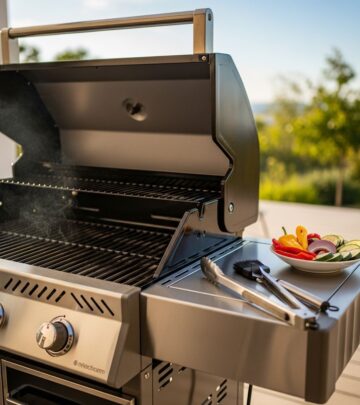
Gone are the days of fumbling with matches or lighters to get your grill started. Modern gas grills feature touch-button ignition systems that light consistently and reliably. There’s no need to manage charcoal, lighter fluid, or struggle with the ignition process. Simply turn the knob and press the button—your grill is ready to cook. This ease of use is particularly appreciated on busy weeknights when you want to spend minimal time preparing to grill and maximum time enjoying your meal. The convenience factor extends to shutdown as well; you simply turn off the gas and you’re done.
10. Flexible Installation Options for Any Space
Gas grills offer remarkable flexibility in how and where you can use them. Whether you need a portable freestanding unit for a small patio or want to build a permanent built-in installation as part of a comprehensive outdoor kitchen, gas provides the solution. Natural gas lines can be run directly to your grill for a permanent fuel solution, eliminating the need to monitor fuel levels or haul propane tanks. Drop-in designs work beautifully for custom masonry islands, while traditional freestanding models offer portability. This versatility means you can choose the setup that best suits your space, lifestyle, and cooking preferences.
Additional Benefits Worth Considering
Lower Emissions for Environmental Consciousness
If sustainability matters to you, natural gas grilling presents an environmentally friendly option. Natural gas produces lighter emissions compared to charcoal grilling. With climate change increasingly on everyone’s mind, choosing gas grilling allows you to enjoy your favorite outdoor cooking hobby while making a greener choice. The lower emissions also make your cookouts more pleasant for guests and family members who may be sensitive to heavy smoke and fumes.
Fewer Fumes for More Enjoyable Gatherings
When you grill with gas, far fewer fumes stream into your backyard during the cooking process. This means your guests can actually enjoy the aroma of delicious food rather than being overwhelmed by excessive smoke and fumes from the grill. This benefit becomes even more apparent during humid weather, when charcoal grills produce particularly unpleasant fumes that can detract from the outdoor dining experience.
Dependable Performance as an Extension of Your Kitchen
A quality gas grill should feel like a natural extension of your kitchen, offering dependable performance that you can rely on season after season. Modern gas grills prioritize steady fuel delivery, consistent heat distribution, and powerful burners made from durable materials like 304 stainless steel. This means fewer moving parts, greater reliability, and a grill that feels intuitive and effortless to use every single time.
Choosing the Right Gas Grill for Your Needs
When selecting a gas grill, focus on features that genuinely improve your cooking experience rather than flashy extras. Look for stainless steel construction throughout, even heat distribution with no cold zones, reliable ignition systems, and durable grates that won’t stick or break down. Consider your specific cooking style and frequency. Casual cooks benefit from compact models with fast ignition, while serious entertainers should seek built-in units with multiple burner zones, side shelves, and optional accessories like rotisseries. For year-round grilling, prioritize weather-resistant finishes and multi-zone temperature control.
Making the Investment
While gas grills often carry a higher initial purchase price than charcoal models, the long-term value proposition is compelling. When you factor in lower fuel costs, reduced maintenance and cleanup time, and the ability to grill more frequently and conveniently, the investment in a quality gas grill pays for itself over just a few seasons. Whether you’re upgrading your patio or building a new outdoor kitchen from scratch, investing in gas grilling gives you the freedom to cook more often with fewer interruptions and greater enjoyment.
Frequently Asked Questions
Q: Can gas grills get hot enough for searing steaks?
A: Yes, absolutely. Gas grills easily reach temperatures above 500 degrees, with many models reaching 700 degrees or higher, providing more than sufficient heat for perfectly seared steaks and other high-heat cooking applications.
Q: How long does a propane tank last?
A: A typical propane tank refill costs less than $20 and lasts most of the summer season for regular grilling. The exact duration depends on how frequently you grill and the size of your tank.
Q: Are gas grills safer than charcoal grills?
A: Yes, gas grills have a superior safety profile. The U.S. Consumer Product Safety Commission reported that charcoal grills caused an average of eight carbon monoxide poisoning deaths annually (2005-2009), while gas grills caused fewer than one death per year during the same period.
Q: How quickly does a gas grill preheat?
A: Gas grills typically reach 400 degrees in just minutes, compared to charcoal grills which can take up to 20 minutes to reach optimal cooking temperature.
Q: Can I use a gas grill in bad weather?
A: Yes, gas grills perform consistently in various weather conditions, including wind, rain, and even snow. The flame stream remains stable and largely unaffected by external elements.
Q: Is cleanup difficult with gas grills?
A: No, cleanup is minimal. Gas grills don’t produce ash or charcoal residue, making them much easier to maintain than charcoal grills.
Q: What are the installation options for gas grills?
A: Gas grills offer flexible installation options including portable freestanding models, built-in outdoor kitchen installations, and drop-in designs for custom islands. You can also connect directly to natural gas lines for a permanent fuel solution.
References
- 5 Benefits of a Natural Gas Grill — Reliable Heating & Air. Accessed 2026-01-12. https://reliableair.com/blog/5-benefits-of-a-natural-gas-grill
- The Benefits of Natural Gas Grills — American Made Grills. Accessed 2026-01-12. https://americanmadegrills.com/blogs/grilling-tips/the-benefits-of-natural-gas-grills
- 10 Reasons You Should Be Grilling on Gas — Wise Bread. Accessed 2026-01-12. https://www.wisebread.com/10-reasons-you-should-be-grilling-on-gas
- Benefits of Gas Grills — Jackson Energy Authority. Accessed 2026-01-12. https://www.jaxenergy.com/learning-center-articles/benefits-of-gas-grills
- Gas Grill Benefits | Buying Guide — BBQGuys (YouTube). Accessed 2026-01-12. https://www.youtube.com/watch?v=TV616bwKc4Q
Similar Articles








Read full bio of medha deb