10 Mindless Ways You’re Spending Money And How To Stop Them
Discover 10 common, unconscious spending habits draining your wallet and simple strategies to reclaim your money.
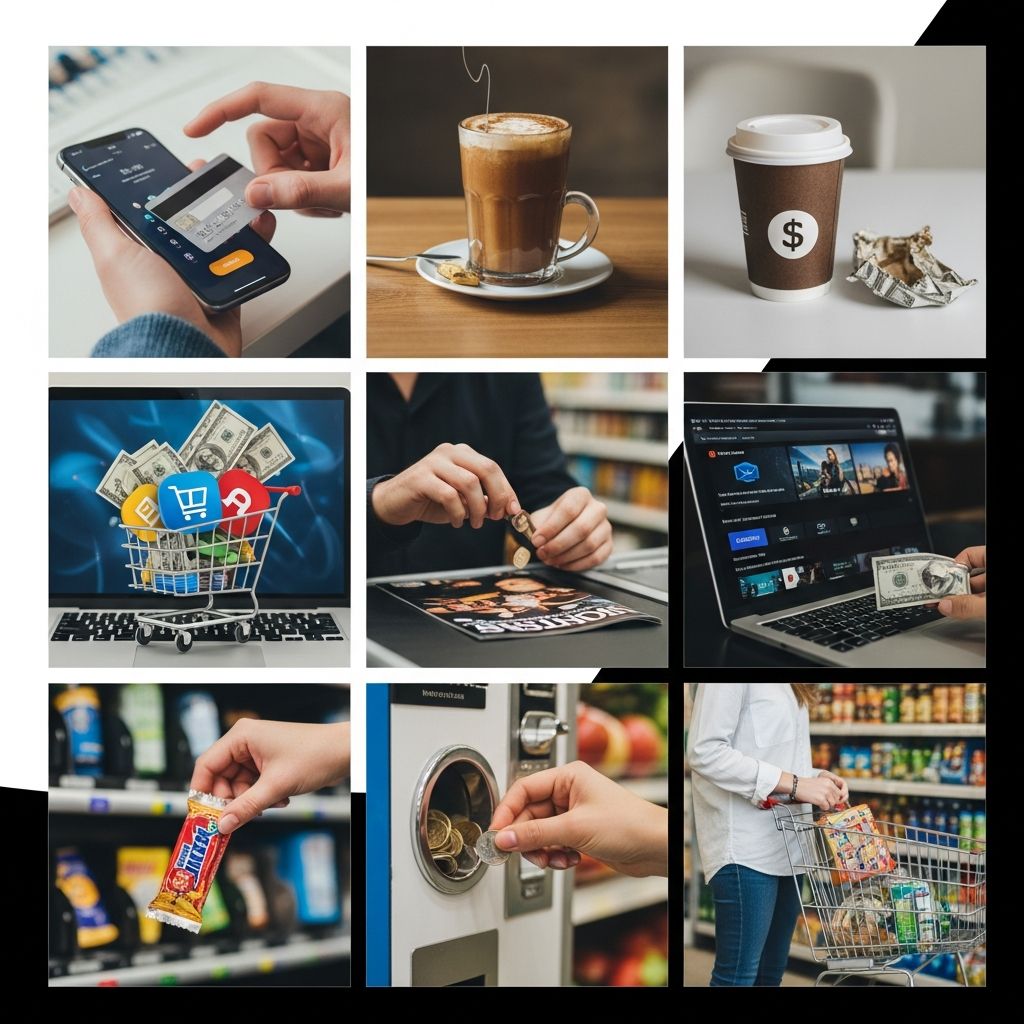
Many people unknowingly leak money through small, habitual purchases that add up over time. These mindless spending habits can sabotage your budget and delay financial goals. By identifying and eliminating them, you can redirect funds toward savings, debt payoff, or enjoyable experiences. This article breaks down 10 common culprits with real-world examples and practical solutions to help you spend smarter.
Beverages: The Silent Cash Drain
One of the biggest mindless spenders is beverages. Daily coffee runs, craft beers, smoothies, and even bottled water accumulate quickly. For instance, a $5 latte five days a week costs over $1,300 annually, not including tips or extras. My husband once tallied our household drink expenses, revealing hundreds wasted monthly on non-essentials.
- Track your intake: Log every purchased drink for a week to see the total.
- DIY alternatives: Brew coffee at home ($0.20 per cup) or invest in a reusable water bottle.
- Potential savings: Switch to home-brewed options and save $1,000+ yearly.
Frugality here means prioritizing value—enjoy occasional treats mindfully instead of daily indulgences.
Lunch and Snacks: The Midday Money Pit
Eating out for lunch and grabbing snacks seems harmless but erodes budgets. Spending $10-15 daily on fast food or vending machines equals $3,650 a year. Many regret these choices later, wishing they’d packed meals instead.
Consider a simple packed lunch: peanut butter sandwich, fruit, and yogurt for under $2. This habit shift frees money for priorities like vacations or investments.
| Option | Daily Cost | Annual Cost |
|---|---|---|
| Buying Lunch Out | $12 | $3,120 |
| Packed Lunch | $2 | $520 |
| Savings | $10 | $2,600 |
Pro tip: Prep meals weekly to avoid temptation. Frugality isn’t deprivation; it’s reallocating funds to what truly matters.
Impulse Buys at Checkout
Those candy bars, magazines, or gadgets by the register prey on impulse. Retailers place them strategically, leading to $10-20 extra per shopping trip. Over a year of weekly grocery runs, that’s $500+ wasted.
- Avoid the aisle: Use self-checkout or online ordering to bypass temptations.
- 30-day rule: Postpone non-essentials for a month; most urges fade.
- Mindful shopping: Stick to a list and eat before shopping to curb snack cravings.
Building awareness turns mindless spending into deliberate choices.
Convenience Fees Everywhere
ATM fees, expedited shipping, and app delivery charges add up stealthily. A $3 ATM fee twice weekly costs $312 yearly; choosing your bank’s machine saves it instantly.
Other culprits: $5 delivery fees on meals or $2 convenience store markups. Opt for free alternatives like bank apps for transfers or meal prepping.
- Bank with fee-free ATMs.
- Plan purchases to avoid rush shipping.
- Use library borrowing over paid rentals.
Unused Subscriptions and Memberships
Streaming services, gym memberships, and apps pile up if forgotten. The average household has $200+ in unused subs monthly. Audit yours quarterly—cancel the ones gathering digital dust.
For gyms, if visits are rare, switch to free home workouts or library classes. Tools like subscription trackers help spot leaks.
| Subscription | Monthly Cost | Annual if Unused |
|---|---|---|
| Streaming Service | $15 | $180 |
| Gym Membership | $50 | $600 |
| Fitness App | $10 | $120 |
| Total | $75 | $900 |
Overpriced Convenience Foods
Pre-cut veggies, single-serve packs, and grab-and-go items cost 2-3x more. A $4 pre-made salad is $1.50 worth of ingredients at home. Bulk buying and basic prep save fortunes.
- Chop your own produce.
- Portion bulk buys into reusables.
- Meal plan to reduce waste.
This aligns with frugal principles: economy in resource use without sacrificing nutrition.
Daily Commutes and Gas Gulpers
Driving solo or inefficient routes burns cash on gas and maintenance. Carpooling or public transit halves costs. Check tire pressure and service regularly to boost MPG.
A practical commuter car, even older models, outperforms luxury gas hogs long-term. Calculate: 20 miles/day at $0.15/mile (post-2025 fuel averages) is $1,095 yearly solo vs. $547 shared.
Gift Cards Gathering Dust
Unused gift cards lose value via expiration or fees—Americans forfeit $1B+ annually. Track via apps and use promptly or regift.
Set reminders post-holidays to spend them before they vanish.
Extended Warranties and Add-Ons
Sales pitches for warranties rarely pay off; products outlast coverage cheaply. Skip them—credit cards often cover basics. Same for store protection plans.
- Research reliability ratings before buying.
- Use manufacturer warranties.
- Save 10-20% on electronics this way.
Forgetting to Cancel Free Trials
“Free” trials auto-charge if ignored. Set calendar alerts 2 days before end dates. Use virtual cards for one-time limits.
Review statements monthly to catch charges early.
Building Better Habits
Frugality combats mindless spending by fostering mindfulness. It’s not about misery but prioritizing joy over waste. Set savings goals, reward milestones, and view income as bill allocations. Spend on time-savers wisely, like lawn services if valuable.
Track expenses 30 days to uncover patterns. Adjust gradually for lasting change.
Frequently Asked Questions (FAQs)
Q: Isn’t frugality just depriving yourself of fun?
A: No, true frugality enhances life by freeing money for meaningful priorities, not cutting joy.
Q: How do I start tracking mindless spending?
A: Use apps or spreadsheets for 1-2 weeks; categorize to spot leaks quickly.
Q: What if I enjoy coffee runs—should I quit cold turkey?
A: Budget for 1-2 weekly treats; home brew others to balance enjoyment and savings.
Q: Are subscriptions always bad?
A: Only if unused—audit regularly and cancel to reclaim $100s monthly.
Q: How much can I save yearly from these habits?
A: Easily $2,000-$5,000 by tackling top 3-5 areas diligently.
References
- Frugality is NOT a Dirty Word — Get Rich Slowly. 2007-10-25. https://www.getrichslowly.org/frugality-is-not-a-dirty-word/
- 10 Mindless Ways You’re Spending Money — Wise Bread. N/A. https://www.wisebread.com/10-mindless-ways-youre-spending-money
- 11 Ways to Save Money — Bread Financial. N/A. https://www.breadfinancial.com/en/financial-education/responsible-saving/ways-to-save-money.html
- 10 Smart Ways to Make Yourself Love Saving Money — Wise Bread. N/A. https://www.wisebread.com/10-smart-ways-to-make-yourself-love-saving-money
- How Do You Spend Money to Save Time? — Wise Bread. N/A. https://www.wisebread.com/how-do-you-spend-money-to-save-time
Similar Articles








Read full bio of medha deb