10 Foods You Should Be Eating Raw To Maximize Your Nutrition
Discover which foods retain maximum nutrition and health benefits when eaten raw instead of cooked.
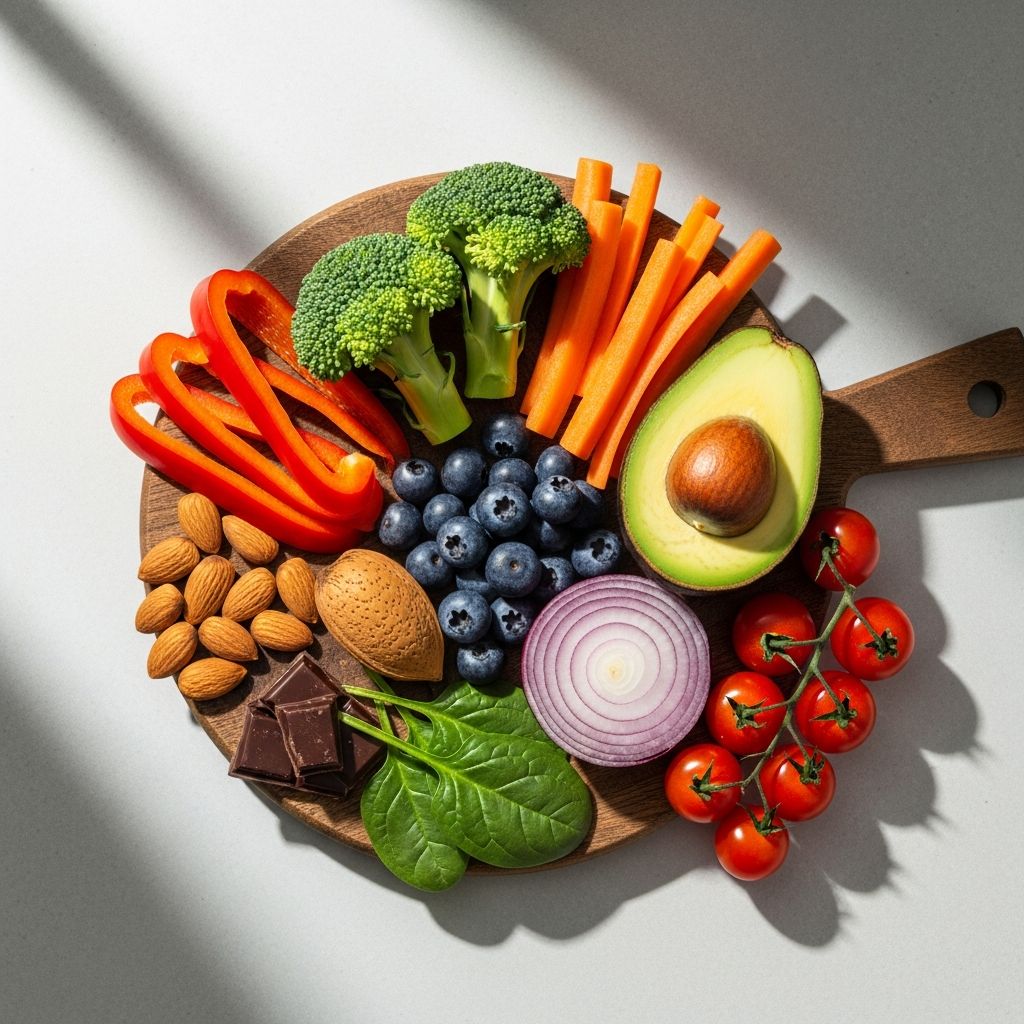
The debate over raw versus cooked food has intensified in recent years as more people embrace raw food diets and seek to understand how food preparation affects nutritional content. While some nutrients are enhanced through cooking, many foods retain their greatest health benefits when consumed in their raw state. Understanding which foods are healthier eaten raw can help you optimize your diet and maximize nutrient intake without requiring a complete lifestyle overhaul.
Understanding Raw Food and Nutrition
A raw food diet typically includes unprocessed foods that haven’t been heated above 46 degrees Celsius. The underlying principle is that cooking can cause foods to lose up to 80 percent of their nutrients, whereas eating food raw preserves living enzymes, vitamins, and minerals. However, the relationship between raw consumption and nutrient bioavailability is more nuanced than simple preservation.
Research shows that some nutrients, like vitamin C, are partially destroyed by cooking. Conversely, other nutrients become more absorbable when cooked—for instance, lycopene in tomatoes becomes more bioavailable upon cooking. This complexity means the ideal approach for most people is eating a combination of raw and cooked foods rather than adhering strictly to either method.
The Science Behind Raw Food Benefits
Raw vegetables, particularly leafy greens, provide exceptional nutritional density. Lettuces and salad components, while calorie-poor, are extremely nutrient-dense and provide more cancer protection than any other foods. This makes raw salads based on green vegetables a nutritional cornerstone, even though such salads can be expensive to prepare regularly.
One significant benefit of raw food diets is their natural tendency to eliminate processed foods and fast food. Since raw diets exclude foods that have undergone industrial processing, followers automatically avoid many unhealthy additives, preservatives, and excessive sodium commonly found in prepared foods.
10 Foods That Are Healthier When Eaten Raw
1. Broccoli
Broccoli is significantly more beneficial when consumed raw. This cruciferous vegetable contains compounds that support cellular health and immune function. Cooking broccoli can diminish these heat-sensitive nutrients, making raw broccoli florets an excellent addition to salads or a simple snack with hummus.
2. Watercress
Watercress is one of the most nutrient-dense vegetables available and provides maximum benefit when eaten raw. This peppery green contains powerful antioxidants and phytonutrients that support overall health. Adding fresh watercress to salads, sandwiches, or smoothies preserves its nutritional integrity.
3. Onions
Raw onions contain beneficial sulfur compounds and quercetin, a flavonoid with anti-inflammatory properties. While cooking onions can enhance their sweetness and digestibility for some people, consuming them raw maximizes their health-promoting compounds. Raw onions in salads or as garnishes provide superior nutritional benefits compared to their cooked counterparts.
4. Garlic
Garlic’s most powerful health-promoting compound, allicin, is produced when garlic cells are crushed or chopped and consumed raw. Heating garlic reduces allicin availability, diminishing its potent antimicrobial and anti-inflammatory benefits. Minced raw garlic in salad dressings or added to dishes after cooking preserves its therapeutic properties.
5. Bell Peppers and Capsicums
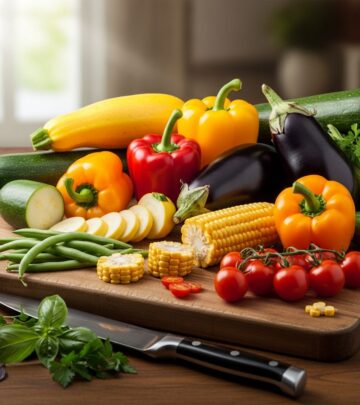
Bell peppers, also known as capsicums, are significantly more nutritious when eaten raw. These colorful vegetables contain high levels of vitamin C and various carotenoids that are sensitive to heat. Raw peppers in salads or as crudités with dips offer maximum nutritional value.
6. Tomatoes (With Nuance)
While lycopene—the carotenoid that protects against prostate cancer—is only available from cooked tomatoes, raw tomatoes offer other benefits, including higher vitamin C content and living enzymes. A balanced approach includes consuming both raw and cooked tomato products for comprehensive nutritional benefit.
7. Leafy Greens and Spinach
Leafy greens like spinach, kale, and lettuce are nutritionally superior when consumed raw. These greens are rich in chlorophyll, vitamins, and minerals that can be compromised by heat. Raw spinach in salads and smoothies provides maximum nutritional density and supports detoxification processes.
8. Nuts and Seeds
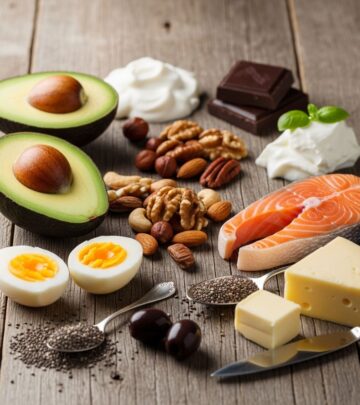
Raw nuts and seeds contain living enzymes and higher levels of certain nutrients compared to roasted varieties. These foods provide healthy fats, protein, and minerals essential for optimal health. Raw almonds, walnuts, seeds, and nut butters are excellent dietary additions.
9. Mushrooms
Certain raw mushrooms can be consumed safely and offer enzymatic benefits unavailable in cooked varieties. However, caution should be exercised with specific mushroom types, and proper sourcing from reliable suppliers is essential. Raw mushrooms in salads provide unique nutritional contributions.
10. Sprouts and Microgreens
Sprouted seeds and microgreens are nutritional powerhouses, containing concentrated nutrients and living enzymes. These foods must be consumed raw to preserve their enzymatic activity and nutrient density. Sprouting activates seeds’ dormant nutrients, making them more bioavailable to human digestion.
Health Benefits of Raw Food Consumption
Nutritional Advantages
- Preserved Vitamins and Minerals: Raw foods may contain more vitamins, minerals, and enzymes because they haven’t been heated, keeping nutrients intact
- Enzyme Preservation: Living enzymes support cellular regeneration and digestive health
- Improved Nutrient Absorption: Many individuals report better digestion on raw food diets with less bloating
- Higher Antioxidant Content: Antioxidants protect cells from oxidative damage
Broader Health Outcomes
- Enhanced Energy Levels: Many people report increased energy on raw food diets due to improved nutrient content
- Easier Weight Management: Many report losing weight easily on raw food diets
- Improved Digestion: Raw foods often contain more fiber and live enzymes that support digestive health
- Natural Processed Food Avoidance: The diet inherently avoids unhealthy processed foods by default
- Environmental Benefits: Raw veganism reduces the impact of food production on the environment, as factory farming represents a major source of global pollution
Important Nutritional Considerations and Challenges
While raw food diets offer significant benefits, they present important nutritional challenges that must be addressed for long-term health maintenance.
Potential Nutritional Deficiencies
Research indicates that strict raw food diets can create deficiencies in several critical nutrients:
- Vitamin B12: Available only in dairy, meat, and fish—requiring supplementation for strict raw vegans
- Iron: While found in nuts, seeds, and dark green vegetables, meat contains higher bioavailable levels
- Calcium, Selenium, and Zinc: Raw food diets often lack adequate quantities of these essential minerals
- Vitamin D: Limited availability in raw plant foods
- Reduced Caloric Intake: People on raw food diets typically consume only about half the calories they would obtain from cooked food
Bioavailability Challenges
An important scientific consideration is that many vitamins and minerals found in vegetables are less bioavailable when eaten raw than when cooked. The body’s ability to absorb and utilize nutrients depends not only on their presence but on their chemical form and the food’s physical structure. Cooking can break down cell walls and make certain nutrients more accessible to human digestive processes.
Social and Practical Limitations
Eating out on a strict raw food diet may be challenging, as most restaurants prepare cooked meals. This limitation can affect social dining experiences and may require advance planning or bringing prepared meals to gatherings.
Practical Strategies for Incorporating Raw Foods
Simple Raw Food Meal Ideas
Incorporating more raw foods doesn’t require complicated recipes. Simple approaches include:
- Mono-meals: Eating single foods in quantity, such as a plate of fresh berries or oranges
- Green Smoothies: Blending spinach, bananas, and water creates nutrient-dense beverages in minutes
- Large Salads: Combining raw vegetables, nuts, seeds, and legumes creates complete meals
- Raw Vegetable Sticks with Dips: Offering convenience and nutrient preservation
- Nut-Based Creams and Sauces: Providing richness without cooking
Banana Green Smoothie Recipe
A simple, nutrient-dense raw food option includes:
- 5 very ripe bananas (with brown spots on their skin)
- 1 large handful of fresh spinach
- 150ml water
Add all ingredients to a blender, blend thoroughly, and serve. This single serving provides approximately 500 calories and maximum nutrient density.
Raw Food Diet Approaches
100% Raw Food Diet
The strictest approach allows only raw foods, eliminating all cooked consumption. This diet provides maximum enzyme and nutrient preservation but presents the greatest nutritional challenges.
High-Carb Raw Vegan Diet
Following protocols like the 80/10/10 approach, this diet maintains 100% raw consumption with specific macronutrient ratios emphasizing carbohydrates while limiting fats and protein.
Raw Till 4 Diet
This increasingly popular approach allows raw, low-fat foods throughout the day with cooked meals permitted after 4 PM. This compromise appeals to individuals who desire hearty cooked meals while maintaining raw food benefits, and it’s become particularly popular among young people on budgets and athletes.
The Alkaline 5 Diet
Similar to high-raw approaches but emphasizing alkalizing leafy greens like kale, spinach, and wheatgrass, this method focuses on chlorophyll-rich foods with regenerative and healing properties. The structure of five specific daily meals helps ensure nutritional balance.
Balancing Raw and Cooked Foods: The Optimal Approach
Rather than adopting a strictly raw diet, most nutritional experts recommend consuming a combination of raw and cooked foods. This balanced approach captures the enzymatic and nutrient preservation benefits of raw foods while allowing the enhanced bioavailability of certain cooked vegetables.
For example, eating raw broccoli preserves heat-sensitive compounds while consuming cooked tomatoes provides accessible lycopene. This strategy addresses nutritional deficiency risks while maximizing overall nutrient absorption and health benefits.
Frequently Asked Questions
Q: Should everyone follow a 100% raw food diet?
A: No. While raw foods offer significant nutritional benefits, strict raw diets can create deficiencies in B12, vitamin D, and other essential nutrients. A combination of raw and cooked foods is generally recommended for optimal health.
Q: Which foods are definitively healthier when eaten raw?
A: Broccoli, watercress, onions, garlic, bell peppers, leafy greens, nuts, seeds, and sprouts retain maximum nutritional benefit when consumed raw.
Q: Can raw food diets help with weight loss?
A: Many people report easier weight loss on raw food diets, though this may partly reflect reduced caloric intake rather than unique metabolic benefits.
Q: Are there safety concerns with eating raw foods?
A: Raw foods should be sourced from reliable suppliers and properly washed. Certain foods like mushrooms require caution. Those with compromised immune systems should consult healthcare providers.
Q: Do raw foods provide complete nutrition?
A: Strict raw diets often lack adequate B12, vitamin D, calcium, and other nutrients. Supplementation or inclusion of some animal products or cooked foods is typically necessary.
References
- Raw Food Diet: The Best Diet Plans And Recipes — Marie Claire UK. Accessed 2026. https://www.marieclaire.co.uk/life/health-fitness/raw-food-diet-the-best-diet-plans-and-recipes-107183
- The Raw Food Diet — Andrew Weil, M.D. Accessed 2026. https://www.drweil.com/diet-nutrition/diets-weight-loss/raw-food-diet/
- Pros and Cons of Raw Food Diets — Nutrition Facts. Accessed 2026. https://nutritionfacts.org/video/pros-and-cons-of-raw-food-diets/
- Healthy, Frugal Eating — Wise Bread. Accessed 2026. https://www.wisebread.com/healthy-frugal-eating
- 5 Foods Which May Be Healthier Eaten Raw — Le Cordon Bleu. Accessed 2026. https://www.cordonbleu.edu/news/raw-food-essentials-5-foods-healthier-eaten-raw/en
Similar Articles








Read full bio of Sneha Tete