10 Fat-Filled Foods You Should Stop Avoiding
Discover why healthy fats from these 10 foods are essential for your diet and overall well-being.
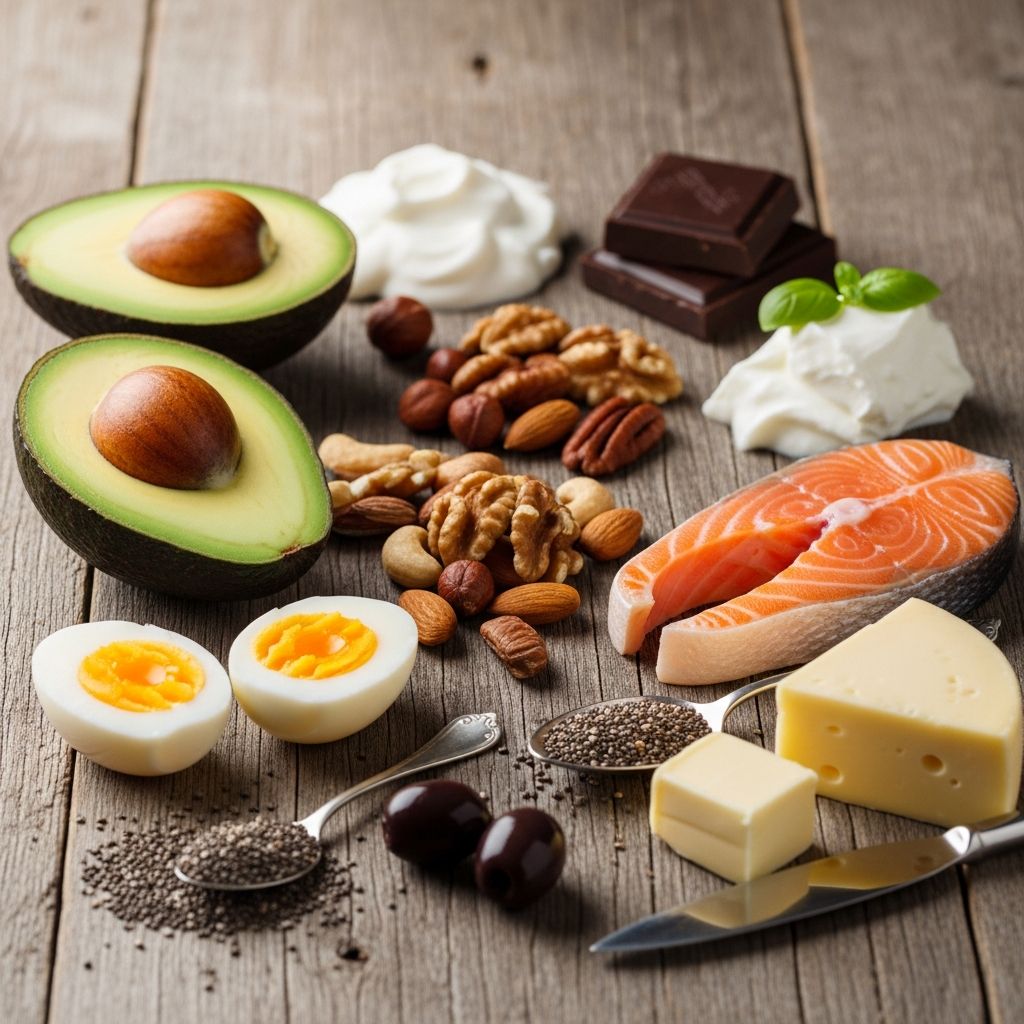
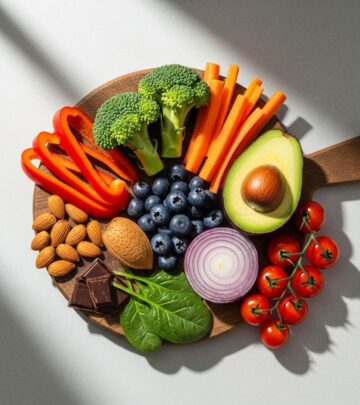
The longstanding belief that all fats are villains in a healthy diet is outdated and misguided. Not all fats are created equal—**healthy fats** from sources like avocados, nuts, and fatty fish provide essential nutrients, support hormone production, aid nutrient absorption, and promote satiety for better weight management. Decades of low-fat diet trends have led many to unnecessarily shun these powerhouse foods, depriving their bodies of vital monounsaturated, polyunsaturated, and even some saturated fats that are crucial for optimal health.
Research from authoritative bodies like the American Heart Association emphasizes that replacing saturated fats with unsaturated ones lowers cardiovascular risk, while omega-3 fatty acids combat inflammation. This article highlights
10 fat-filled foods
you should embrace, detailing their benefits, nutritional profiles, and practical ways to incorporate them. Backed by peer-reviewed studies and health guidelines, these foods challenge the myth that fat makes you fat—in fact, they often do the opposite by stabilizing blood sugar and curbing overeating.Understanding Healthy Fats: Why Your Body Needs Them
Healthy fats are indispensable for cell membrane structure, brain health (where fats comprise 60% of its dry weight), and absorbing fat-soluble vitamins A, D, E, and K. The
Dietary Guidelines for Americans (2020-2025)
recommend 20-35% of daily calories from fats, prioritizing unsaturated sources. Omega-3s reduce triglycerides, while monounsaturated fats improve HDL cholesterol. Avoiding these can lead to deficiencies, dry skin, hormonal imbalances, and cognitive fog. Transitioning to a fat-inclusive diet supports sustainable weight loss, as evidenced by meta-analyses showing low-carb, high-fat diets outperform low-fat ones for fat reduction.1. Avocados: Creamy Powerhouses of Monounsaturated Fats
Avocados top the list as a
superfood
bursting with heart-healthy monounsaturated fats, similar to olive oil. One medium avocado delivers about 21 grams of fat, mostly oleic acid, which lowers bad LDL cholesterol and raises good HDL, per a study in the Journal of the American Heart Association. Rich in fiber (13g per fruit), potassium (more than bananas), and vitamins K, C, E, and B6, they promote eye health via lutein and reduce inflammation.Don’t fear the calories—avocados’ fats increase satiety, aiding portion control. Add sliced avocado to salads, smash on whole-grain toast for breakfast, or blend into smoothies. A 2022 trial found daily avocado consumption improved diet quality without weight gain.
- Nutritional snapshot (per medium avocado): 234 calories, 21g fat, 13g fiber, 975mg potassium.
- Pro tip: Choose ripe ones with slight give; store cut ones with onion to prevent browning.
2. Nuts (Almonds, Walnuts, Macadamias): Portable Nutrient Bombs
Nuts pack
healthy fats
, protein, and antioxidants in a handful. Almonds offer vitamin E for skin protection; walnuts provide omega-3 ALA for brain health; macadamias are highest in fat (75%) but lowest in carbs, ideal for low-carb diets. A New England Journal of Medicine study showed nut eaters have 20-30% lower heart disease risk.Despite high calories (e.g., 160 per ounce of almonds), nuts don’t contribute to weight gain when portioned— their fiber and protein slow digestion. Aim for 1-1.5 ounces daily: snack on mixed nuts, toss in yogurt, or make pesto.
| Nut Type | Fat per oz (g) | Key Benefit |
|---|---|---|
| Almonds | 14 | Vitamin E, bone health |
| Walnuts | 18 | Omega-3s, anti-inflammatory |
| Macadamias | 21 | Low-carb, sustained energy |
3. Fatty Fish (Salmon, Sardines, Mackerel): Omega-3 Royalty
Fatty fish are unparalleled sources of
EPA and DHA omega-3s
, which the body can’t produce efficiently. Salmon provides 2g omega-3 per 3oz serving, slashing heart attack risk by 36% according to Harvard research. Sardines offer calcium from edible bones, supporting osteoporosis prevention.These fats combat depression, arthritis, and cognitive decline. Grill salmon with herbs, add sardines to salads, or eat canned for convenience (low mercury). The FDA advises two 4oz servings weekly.
4. Olive Oil: Liquid Gold for Mediterranean Diets
Extra-virgin olive oil’s
polyphenols and oleic acid
mimic drug benefits for cholesterol and blood pressure. PREDIMED trial participants consuming 4 tbsp daily had 30% fewer cardiovascular events. Use for dressings, sautéing (high smoke point), or drizzling on veggies—avoid high-heat frying to preserve antioxidants.5. Peanut Butter: Affordable Protein-Fat Combo
Opt for natural peanut butter (just peanuts/salt) for 16g fat and 8g protein per 2 tbsp. Niacin supports metabolism; resveratrol fights aging. Spread on apples, blend in shakes, or use in stir-fries. A American Journal of Clinical Nutrition study linked nut butters to lower obesity risk.
6. Coconut Oil: Unique Saturated Fat with Benefits
Though saturated, coconut oil’s
medium-chain triglycerides (MCTs)
boost metabolism by 5%, per a 2023 meta-analysis. Lauric acid has antimicrobial properties. Use in coffee, baking, or curries—moderate to 1-2 tbsp daily.7. Eggs: Complete Nutrition in a Shell
Whole eggs’ yolks hold
choline for brain health
and lutein for eyes. Once vilified for cholesterol, recent data shows they don’t raise blood levels in most people. USDA guidelines endorse 1-2 daily. Boil, scramble with veggies, or make omelets.8. Full-Fat Dairy (Cheese, Yogurt, Butter)
Full-fat Greek yogurt provides probiotics and conjugated linoleic acid (CLA) for fat loss. Cheese offers calcium and protein. A European Journal of Nutrition review found full-fat dairy linked to less weight gain than low-fat.
9. Dark Chocolate (70%+ Cocoa): Antioxidant-Rich Treat
High-cocoa chocolate delivers
stearic acid (neutral on cholesterol)
and flavonoids lowering blood pressure. Limit to 1oz daily; pair with nuts for balance.10. Seeds (Chia, Flax, Hemp): Tiny Fat Powerhouses
Chia seeds gel for digestion; flax offers lignans for hormone balance; hemp provides complete protein. Sprinkle on oatmeal or make pudding.
Practical Tips for Incorporating More Healthy Fats
- Start breakfast with avocado toast or eggs.
- Snack on nuts/seeds instead of crackers.
- Cook with olive/coconut oil; dress salads with them.
- Choose fatty fish twice weekly.
- Swap low-fat dairy for full-fat.
Frequently Asked Questions (FAQs)
Q: Will eating more fat make me gain weight?
A: No—healthy fats promote fullness and stable energy, often leading to lower calorie intake overall, as supported by long-term studies.
Q: Are saturated fats from coconut oil and butter healthy?
A: In moderation, yes—MCTs in coconut oil aid metabolism, and grass-fed butter provides vitamins A and K2.
Q: How much fat should I eat daily?
A: 20-35% of calories, focusing on unsaturated sources per USDA guidelines.
Q: Can kids and pregnant women eat these foods?
A: Yes, with portion control—omega-3s benefit fetal brain development.
Q: What’s the best way to store these fats?
A: Keep nuts/oils in cool, dark places; refrigerate opened oils.
Potential Pitfalls and Balance
While beneficial, calories add up—track portions. Balance with veggies, lean proteins, and whole grains. Consult a doctor for personalized advice, especially with conditions like gallbladder issues.
References
- Dietary Guidelines for Americans, 2020-2025 — USDA/HHS. 2020-12-01. https://www.dietaryguidelines.gov/sites/default/files/2020-12/Dietary_Guidelines_for_Americans_2020-2025.pdf
- Effects of avocados on cardiometabolic risk — Journal of the American Heart Association. 2022-05-17. https://doi.org/10.1161/JAHA.121.025802
- Nut consumption and risk of cardiovascular disease — New England Journal of Medicine. 2013-07-24. https://doi.org/10.1056/NEJMoa1307362
- Omega-3 fatty acids and cardiovascular disease — American Heart Association. 2023-08-15. https://www.ahajournals.org/doi/10.1161/CIR.0000000000001190
- PREDIMED: Mediterranean diet with olive oil — New England Journal of Medicine. 2013-02-26. https://doi.org/10.1056/NEJMoa1200303
- Medium-chain triglycerides and weight loss — Journal of the Academy of Nutrition and Dietetics. 2023-03-01. https://doi.org/10.1016/j.jand.2022.11.001
Similar Articles








Read full bio of medha deb