10 Essential Types of Insurance You Should Consider
Understand the 10 key types of insurance that protect your health, income, property, and long-term financial goals.

Building wealth is not only about earning, saving, and investing. It is also about protecting what you have already worked hard for. One of the most effective ways to protect your money, health, and future is to have the right types of insurance in place. Without adequate coverage, a single event – an accident, illness, lawsuit, or disaster – can wipe out years of financial progress.
This guide walks through 10 essential types of insurance most people should understand and consider. While your exact needs will depend on your income, family situation, and financial goals, these policies form a core safety net for many households.
Why Insurance Matters in Your Financial Plan
Insurance is essentially a way to transfer risk. Instead of facing the full cost of a crisis on your own, you pay a premium to an insurer who agrees to take on defined financial risks on your behalf. In exchange, the company may pay benefits to you or on your behalf when covered events occur.
From a financial planning perspective, insurance helps you:
- Protect income if you die, become disabled, or cannot work for an extended time.
- Limit catastrophic expenses for health care, long-term care, or major property damage.
- Preserve assets you have already accumulated, so you are not forced to liquidate investments at the worst time.
- Comply with legal or lender requirements for things like auto and homeowners insurance.
In other words, insurance is a defensive shield that supports everything else in your financial life.
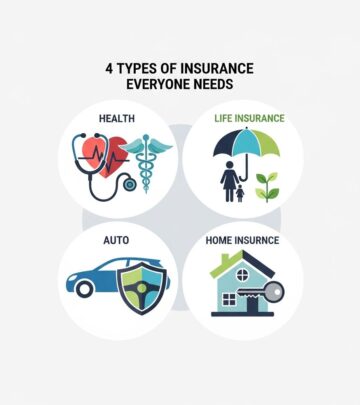
1. Health Insurance
Health insurance helps pay for medical costs such as doctor visits, hospital stays, prescriptions, and preventive care. In many countries, health-related bills are a major cause of financial strain, especially for people who are uninsured or underinsured. According to U.S. government data, even relatively short hospital stays can cost tens of thousands of dollars without coverage.
Key reasons health insurance is essential:
- It protects you from catastrophic medical bills due to accidents, surgeries, or chronic illness.
- It often covers preventive services, which can help detect issues early and reduce long-term costs.
- It may provide access to negotiated rates with providers, lowering overall charges.
Common ways to get health insurance:
- Through an employer-sponsored plan.
- Through a government or public program (e.g., national health systems, Medicare/Medicaid-type programs depending on your country).
- Through individual policies purchased directly from insurers or marketplaces.
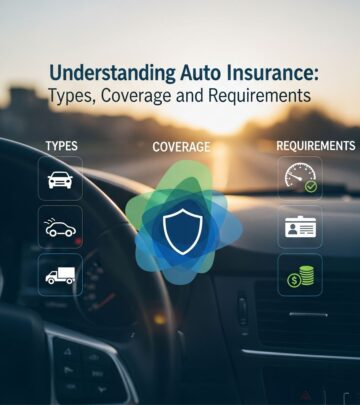
2. Auto Insurance
If you drive, auto insurance is usually required by law in many jurisdictions. It protects you financially if you cause an accident, damage someone else’s property, or are injured in a collision.
Typical components of an auto policy include:
- Liability coverage for injuries or damage you cause to others.
- Collision coverage to help repair or replace your vehicle after an accident.
- Comprehensive coverage for non-collision events such as theft, vandalism, or certain weather damage.
- Uninsured/underinsured motorist coverage if another driver injures you but lacks adequate insurance.
Auto insurance protects both your car and your future income, because serious accidents can lead to lawsuits and large medical or liability costs.
3. Homeowners Insurance
If you own a home, homeowners insurance is often required by your mortgage lender and strongly recommended even if you own your home outright.
Standard homeowners policies typically:
- Cover damage to your home from covered perils such as fire, theft, or certain storms.
- Provide personal property coverage for belongings like furniture, clothing, and electronics.
- Include liability protection if someone is injured on your property and you are found responsible.
- Offer additional living expenses if you cannot live in your home temporarily due to covered damage.
Note that coverage for floods or earthquakes is usually separate and may require additional policies, depending on where you live.
4. Renters Insurance
Even if you do not own a home, your belongings still have value. Renters insurance covers your personal property and provides liability protection while you live in a rented apartment or house.
Renters insurance generally:
- Protects belongings from covered events like fire, theft, or certain types of water damage.
- Provides liability coverage if someone is injured in your rental and you are held responsible.
- May pay for temporary housing if your unit becomes uninhabitable due to a covered loss.
Landlords’ policies usually only insure the building, not your personal items. A renters policy can be a relatively low-cost way to protect your things.
5. Life Insurance
Life insurance provides a financial benefit to your chosen beneficiaries if you pass away while covered. It is a foundational tool for anyone who has people depending on their income, such as children, a partner, or other family members.
At a high level, most policies fall into two categories:
- Term life insurance – Covers you for a specific period (for example, 10, 20, or 30 years). It is often less expensive for the amount of coverage provided.
- Permanent life insurance – Can provide coverage for your lifetime as long as premiums are paid and may build cash value over time.
Common reasons to carry life insurance include:
- Replacing your income so loved ones can pay ongoing living expenses and debts.
- Covering major goals such as children’s education or paying off a mortgage.
- Funding final expenses and estate or inheritance planning.
6. Disability Insurance
Disability insurance replaces a portion of your income if you are unable to work due to illness or injury. For many people, their earning power is their single largest asset, so protecting it is critical.
There are two primary types of disability coverage:
- Short-term disability – Covers disabilities that last for a limited period (often up to several months).
- Long-term disability – Designed for longer-lasting disabilities that may continue for years.
Possible sources of disability coverage include:
- Employer-provided policies, which may cover part of your income.
- Government disability programs, which provide limited income support but may be difficult to qualify for and may not replace your full earnings.
- Individual policies purchased directly from insurers for more customized protection.
7. Long-Term Care Insurance
Long-term care (LTC) insurance helps cover the costs of services such as nursing homes, assisted living facilities, or in-home care when you are unable to perform certain activities of daily living, often due to aging, chronic illness, or disability.
Studies from organizations like the OECD and national health agencies show that long-term care costs can significantly strain households, especially as populations age. Standard health insurance and many public programs often do not fully cover extended long-term care, so individuals may face large out-of-pocket bills.
LTC insurance can:
- Reduce the risk of having to spend down assets to pay for care.
- Provide more choice and flexibility in care options and locations.
- Help protect spouses or partners from financial hardship.
8. Umbrella Insurance
Umbrella insurance offers extra liability coverage beyond the limits of your auto, homeowners, or renters policies. It is designed to protect you in rare but serious situations, such as large lawsuits or claims where damages exceed the underlying policy limits.
For example, if you are held responsible for a major car accident or an injury on your property and the claim exceeds your standard policy’s liability coverage, an umbrella policy can help cover the difference up to its limit.
Umbrella coverage is often considered by people who:
- Have significant assets or a high income to protect.
- Have increased exposure to liability, such as owning rental property or hosting many guests.
- Want relatively low-cost, high-limit liability protection.
9. Travel Insurance
Travel insurance can protect your finances when you travel domestically or internationally. Policies vary widely, but many include coverage for:
- Trip cancellation or interruption due to covered events such as illness or certain emergencies.
- Medical emergencies abroad, especially important if your regular health insurance provides limited or no coverage outside your home country.
- Lost or delayed baggage and travel delays.
Travel insurance can be especially valuable for expensive trips, international travel, cruises, or situations where you would struggle to absorb a last-minute cancellation or overseas medical costs.
10. Pet Insurance
If you have pets, pet insurance can help manage veterinary costs related to accidents, illnesses, and sometimes preventive care. Veterinary medicine has advanced significantly, and treatments like surgery, chemotherapy, or long-term medications can be costly.
While pet insurance is not a substitute for an emergency fund, it can:
- Reduce the financial shock of unexpected veterinary bills.
- Help you make medical decisions based on what is best for your pet rather than cost alone.
- Offer peace of mind for pet owners who want additional protection.
Comparing Key Insurance Types
| Insurance Type | Main Purpose | Who Typically Needs It |
|---|---|---|
| Health Insurance | Protect against medical costs | Most individuals and families |
| Auto Insurance | Cover vehicle-related liability and damage | Anyone who owns or drives a vehicle |
| Homeowners/Renters Insurance | Protect property and provide liability coverage | Homeowners and renters |
| Life Insurance | Provide financial support to dependents after death | People with dependents or financial obligations |
| Disability Insurance | Replace income if you cannot work | Anyone who relies on earned income |
| Long-Term Care Insurance | Cover costs of extended care needs | Primarily older adults or planners in midlife |
| Umbrella Insurance | Increase liability coverage limits | People with significant assets or higher liability exposure |
| Travel Insurance | Protect trips and overseas medical expenses | Travelers, especially on costly or international trips |
| Pet Insurance | Help cover veterinary expenses | Pet owners wanting extra financial protection |
How to Decide Which Insurance You Need First
Most people cannot address every insurance need at once. Prioritizing helps you build protection in a realistic order.
Consider the following steps:
- Start with required coverage such as auto insurance and any mandatory health or property policies in your area.
- Protect your income and dependents with adequate health, life, and disability insurance.
- Safeguard major assets like your home and savings, then consider umbrella coverage if you have higher liability exposure.
- Add specialty policies like long-term care, travel, or pet insurance as your budget and risk profile allow.
Frequently Asked Questions (FAQs)
Q: Do I really need all 10 types of insurance?
A: Not everyone needs every type of insurance. Your needs depend on your age, location, family responsibilities, assets, health, and risk tolerance. Focus first on required coverage and policies that protect your income and essential assets, then add others as appropriate.
Q: How much life insurance coverage should I consider?
A: There is no single rule, but many planners suggest estimating enough coverage to replace several years of income, pay off major debts, and support key goals such as children’s education. Online calculators and professional advice can refine that number based on your situation.
Q: Is employer-provided insurance enough?
A: Employer-provided health, life, and disability insurance can be a strong starting point, but it may not fully meet your needs. Coverage might be limited, and it typically ends if you leave the job. Reviewing policy limits and considering supplemental coverage can help close gaps.
Q: How can I keep premiums affordable?
A: You can often reduce premiums by choosing higher deductibles, comparison shopping among insurers, bundling multiple policies with one company, and avoiding unnecessary features. Maintaining a good driving record and a healthy lifestyle can also help lower certain insurance costs.
Q: How often should I review my insurance?
A: Review your coverage at least once a year and after major life events such as marriage, having a child, buying a home, changing jobs, or significant changes in income. These events often change your insurance needs and appropriate coverage levels.
References
- Health Insurance Coverage — U.S. Centers for Medicare & Medicaid Services. 2023-10-02. https://www.cms.gov/about-cms/obamacare/health-insurance-coverage
- The Truth About Different Types of Insurance — The Money Guy Show. 2023-06-15. https://moneyguy.com/guide/insurance/
- Health at a Glance: Long-Term Care — OECD. 2023-11-15. https://www.oecd.org/health/long-term-care.htm
- Medical Care for Americans Abroad — U.S. Department of State. 2024-01-05. https://travel.state.gov/content/travel/en/international-travel/before-you-go/your-health-abroad.html
- The Benefits of Life Insurance: Evaluating Your Needs — Clever Girl Finance. 2023-09-20. https://www.clevergirlfinance.com/benefits-of-life-insurance/
Similar Articles








Read full bio of medha deb