10 Easy Exotic Meals You Should Be Making
Master international cuisine on a budget with these simple, delicious exotic recipes.
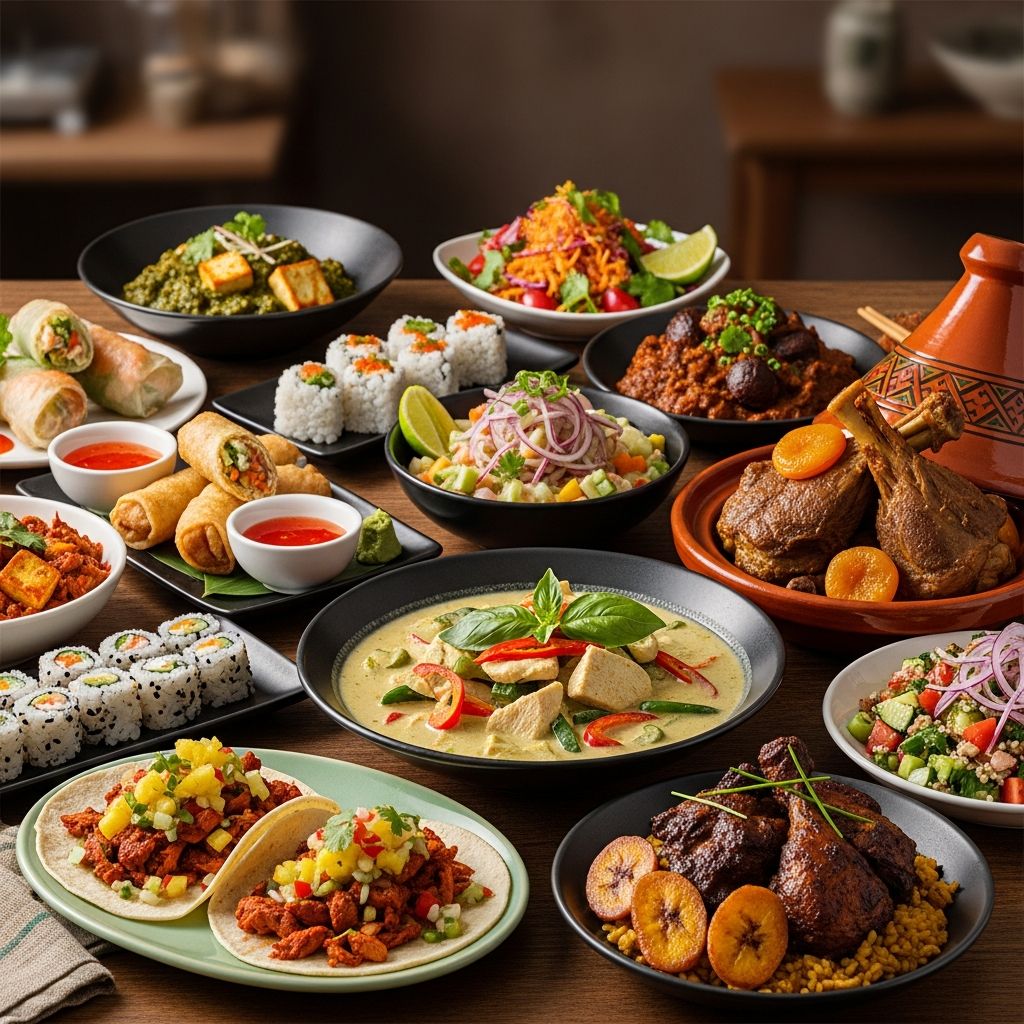
If you’ve been stuck in an evening meal rut, it’s time to expand your culinary horizons. Many people assume that cooking exotic dishes requires advanced skills, expensive ingredients, and hours spent in the kitchen. The truth is quite different. Cooking international cuisine is all about understanding how to work with new flavors and mastering certain techniques. Once you familiarize yourself with uncommon ingredients and learn their substitutions, you’ll discover a world of delicious possibilities that won’t break the bank.
Exotic doesn’t have to mean expensive or complicated. In fact, many international dishes use simple, affordable ingredients that you can find at your local grocery store or ethnic markets. The key is building a collection of spices and learning how to layer flavors effectively. Here are 10 budget-friendly exotic meals that will transform your dinner routine and introduce you to global cooking traditions.
1. Chicken Teriyaki
Japanese cuisine offers stunning flavors that come together quickly and affordably. Chicken Teriyaki is a perfect example of a dish that delivers big taste in minimal time. This recipe can go from pan to table in just 15 minutes, making it ideal for busy weeknights. What makes this version special is its surprisingly short ingredient list compared to other teriyaki recipes.
The beauty of Chicken Teriyaki lies in its simplicity. If you’re short on time or ingredients, you can substitute garlic and ginger powder for fresh versions without sacrificing flavor. The sweet and savory glaze caramelizes beautifully on chicken, creating an impressive presentation that seems far more involved than it actually is. Serve it over steamed rice with some fresh vegetables, and you have a complete meal that tastes like you spent hours preparing it.
2. Miso Soup
Looking for a vegetarian option that’s warm, comforting, and lightning-fast to prepare? Miso Soup checks all the boxes and can be ready in just 10 minutes. This Japanese staple is more than a quick meal—it’s a gateway to understanding how fermented ingredients can create depth of flavor with minimal effort.
One of the biggest advantages of making miso soup at home is the durability of your miso paste. Many people worry about miso going bad if they don’t use it regularly, but miso is remarkably stable. Some varieties have been kept for as long as 20 years without spoilage, making it an excellent ingredient to keep on hand. Once you invest in a container of miso, you’ll find multiple uses for it in soups, dressings, marinades, and more, justifying the initial purchase quickly.
3. Chana Masala
Indian cuisine is built on the foundation of spices, and Chana Masala—a fragrant chickpea curry—is an excellent introduction to Indian flavors. This vegetarian dish is naturally affordable since chickpeas are inexpensive protein sources available in any grocery store. The magic of this dish comes entirely from spice blending, and this is where budget shopping truly pays dividends.
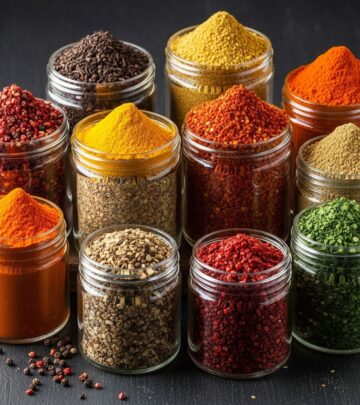
Rather than buying pre-made spice blends, purchase your spices in bulk at ethnic markets or from bulk sections of grocery stores. Bulk spices cost a fraction of what you’d pay for small containers, and your collection will last quite a while. Common spices used in Chana Masala include cumin, coriander, turmeric, ginger, and chili powder. Once you have these staples on hand, you can create countless Indian, Thai, and Middle Eastern dishes without additional investments. The initial spice collection requires an upfront cost, but the longevity makes it one of the smartest kitchen investments you can make.
4. Thai Red Curry
For those who love bold, complex flavors, Thai Red Curry delivers in spades. What makes this recipe particularly appealing is how easily it adapts to slow cooker cooking. A single batch yields approximately nine generous servings, making it perfect for meal prep or feeding a crowd on a minimal budget.
The slow cooker method allows the flavors to develop gradually, intensifying the curry’s complexity without requiring constant attention. Vegetarians can easily customize this dish by omitting fish sauce and removing the chicken, replacing it with additional vegetables or tofu for protein. This flexibility makes it an inclusive option for mixed groups with different dietary preferences. The slow cooker also saves on energy costs compared to stovetop cooking, adding another layer of budget-consciousness to this international favorite.
5. Doro Wat
Ethiopian cuisine introduces Western cooks to warm spices and slow-cooked stews that create incredible depth of flavor. Doro Wat, a traditional Ethiopian chicken stew, can be prepared on your stovetop with accessible ingredients. What makes this recipe particularly approachable for home cooks is the flexibility it offers regarding ingredient substitutions.
Many recipes for Doro Wat call for Tej, an Ethiopian honey wine, which isn’t readily available in most American supermarkets. However, skilled recipe developers provide excellent alternatives, such as using white wine combined with honey to approximate Tej’s flavor profile. Additionally, you can create your own berbere spice blend instead of hunting for specialty ingredients. Most homes already have many of the spices needed in their kitchen cabinets—items like paprika, fenugreek, coriander, and chili powder. This dish exemplifies how understanding flavor principles allows you to work with what you have, making international cooking accessible to everyone.
6. Varenyky (Pierogi)
Eastern European cuisine offers remarkable versatility through traditional dumplings like Varenyky, also known as Pierogi. These filled dough pockets can take either sweet or savory directions depending on your preference and what’s available in your pantry. The basic recipe yields approximately 24 pieces, providing excellent value and the ability to experiment with different fillings.
Varenyky work wonderfully as main courses or desserts. You might fill some with creamy potato mash and caramelized onions for a savory dinner, while preparing others with fresh fruit for a sweet treat. The beauty of making a larger batch is their extended shelf life—properly stored varenyky keep well, allowing you to portion them out over several meals. This make-ahead quality makes them perfect for busy weeks when you want home-cooked meals without daily cooking effort.
7. Pad Thai
Thai noodle dishes like Pad Thai have become familiar favorites in American cuisine, but making them at home costs significantly less than ordering from restaurants. This beloved street food becomes even more budget-friendly with smart ingredient swaps that maintain authentic flavor while reducing costs.
Several hacks make Pad Thai more economical without sacrificing taste. You can substitute readily available Sriracha sauce for sambal oelek, omit fish sauce if budget is tight (though fish sauce is worth investing in eventually due to its many uses), and swap fried tofu for eggs or vice versa depending on what’s in your refrigerator. These substitutions acknowledge real-world cooking constraints—the practical reality that your ingredient availability shifts based on what you’ve already purchased. Over time, as you build your pantry with essential Asian ingredients, these substitutions become optional rather than necessary.
8. Fresh Summer Rolls
Light, refreshing, and surprisingly affordable, Fresh Summer Rolls showcase how humble ingredients create impressive results. Rice wrappers cost pennies, and common vegetable fillings—carrots, lettuce, cucumbers—are inexpensive staples. These rolls work beautifully as appetizers, light meals, or components of larger dinners.
By this point in exploring this list, you’ve noticed that fish sauce appears in multiple recipes. Rather than skipping it repeatedly or purchasing tiny quantities for each recipe, this is the moment to invest in a bottle. Fish sauce is a pantry staple in Southeast Asian cooking, appearing in Vietnamese, Thai, and Cambodian cuisines. One bottle justifies itself through multiple uses across numerous dishes, making the initial investment worthwhile. Quality fish sauce lasts for years and transforms dishes with umami depth that’s difficult to replicate otherwise.
9. Toovar Dal
Indian lentil dishes represent some of the world’s most budget-friendly, nutritious meals. Toovar Dal, made with split pigeon peas, is remarkably simple yet deeply satisfying. This slow cooker recipe uses very few ingredients, making it ideal for beginners or anyone seeking comfort food that’s naturally vegetarian and protein-rich.
The cooking method is straightforward: cook lentils in your crockpot, temper spices on the stove, then combine everything together. The beauty of this approach is that lentils become tender and flavorful without requiring constant monitoring. While the recipe calls specifically for split pigeon peas, you can substitute whatever legumes you have on hand—red lentils, yellow lentils, or other split varieties work wonderfully. This flexibility demonstrates a core principle of budget-friendly international cooking: understanding flavor foundations allows you to adapt recipes to your actual ingredients rather than feeling constrained by specific requirements.
10. Moroccan Eggplant Salad
Moroccan cuisine brings warmth and complexity to the table through spices and careful flavor layering. A Moroccan Eggplant Salad might sound complicated based on its name, but it primarily uses common foods to create something special. This flavorful dish pairs beautifully with couscous, fresh tomatoes, and black olives for a complete meal that feels restaurant-worthy yet relies on accessible ingredients.
What makes this recipe particularly valuable is how it demonstrates that exotic doesn’t require exotic ingredients. The primary component—eggplant—is a relatively common vegetable, especially during warmer months when prices drop. The magic comes from how you prepare it, the spices you combine with it, and the accompaniments you serve alongside it. Many recipes include traditional plating instructions and recipes for other Moroccan dinner components, allowing you to build an entire themed meal around accessible foundations.
Building Your Exotic Cooking Skills
Mastering exotic cuisine isn’t about having expensive equipment or rare ingredients. Instead, it’s about understanding flavor profiles, learning basic cooking techniques, and building a versatile spice collection. Here are key strategies for success:
- Start with spice basics: Cumin, coriander, turmeric, paprika, and chili powder form the foundation for cuisines across Asia, Africa, and the Middle East. Investing in these core spices opens doors to thousands of recipes.
- Learn about fermented ingredients: Miso, fish sauce, soy sauce, and coconut aminos add incredible depth to dishes. These ingredients last for years, justifying their initial cost through extended use.
- Embrace ingredient substitution: Understanding flavor profiles allows you to substitute ingredients based on what you have available. If fresh ginger isn’t available, ginger powder works. If fish sauce isn’t in your budget yet, soy sauce adds umami depth.
- Shop ethnic markets: Immigrant communities and ethnic markets offer authentic ingredients at fraction of mainstream supermarket prices. Building relationships with local merchants often yields additional discounts and personalized recommendations.
- Use slow cookers strategically: Many exotic dishes benefit from slow cooking, which develops flavors while requiring minimal active time and energy costs.
- Make large batches: Dishes like Varenyky, Pad Thai, and Thai Red Curry freeze well or keep for several days, making large batches economical and convenient.
Frequently Asked Questions
Q: Do I need specialty equipment to cook exotic meals?
A: No. Most exotic dishes require only basic kitchen equipment—a good knife, cutting board, pots, pans, and a stove. A slow cooker is helpful but not essential. Quality cookware matters more than specialty gadgets.
Q: Where can I find uncommon ingredients like fish sauce or miso?
A: Ethnic grocery stores, international markets, and mainstream supermarket international aisles carry these ingredients. Online retailers also offer them with home delivery. Local ethnic markets typically offer the best prices.
Q: Can I adapt these recipes for dietary restrictions?
A: Yes. Most recipes mentioned here offer flexibility. Remove meat for vegetarian versions, substitute tofu for animal proteins, or omit fish sauce for pescatarian or vegetarian diets. Understanding core flavors allows you to maintain taste while adapting to dietary needs.
Q: How long do specialty spices and ingredients last?
A: Dried spices last 6-12 months for optimal flavor, though they remain safe much longer. Miso lasts for years, fish sauce remains stable for extended periods, and properly stored ingredients typically outlast their usefulness due to recipe variety rather than spoilage.
Q: What’s the best way to start learning exotic cooking?
A: Begin with recipes that use cooking techniques you already understand and ingredients available at your regular supermarket. As confidence grows, gradually introduce new techniques and specialty ingredients. Tasting food from your target cuisine helps you understand flavor profiles before attempting to replicate them.
References
- 10 Easy Exotic Meals You Should Be Making — Wise Bread. 2025. https://www.wisebread.com/10-easy-exotic-meals-you-should-be-making
Similar Articles








Read full bio of medha deb