10 Car Shopping Mistakes and How to Avoid Them
Master the art of car buying: Learn the top 10 mistakes that cost buyers thousands and proven strategies to avoid them.

Purchasing a vehicle is one of the largest financial decisions most people make. Whether you’re buying your first car or replacing an existing one, the process involves careful consideration of budget, needs, and long-term financial impact. Unfortunately, many car shoppers make costly mistakes that could have been avoided with proper planning and knowledge. Understanding these common pitfalls and how to overcome them can save you thousands of dollars and help you drive away with a vehicle that truly meets your needs.
Mistake #1: Not Differentiating Between Needs and Wants
One of the most fundamental errors car buyers make is failing to distinguish between what they actually need in a vehicle and what they merely want. This confusion leads to purchasing unnecessary extras and upgrades that inflate the final price without adding essential value.
When shopping for a car, start by identifying the core requirements. Your vehicle needs to be reliable, get you to your destinations safely, and have enough cargo space for items you regularly transport. That’s essentially the foundation of any good car purchase. Many dealers will encourage you to add premium features, advanced technology packages, and luxury upgrades that look appealing in the showroom but don’t improve the basic functionality of the vehicle.
To avoid this mistake, make a list before you start shopping. Write down what your car must do—commute to work, transport groceries, accommodate passengers. Then, write a separate list of nice-to-have features. When you’re at the dealership, refer to these lists and resist the temptation to upgrade beyond your actual requirements. Remember that each additional feature adds hundreds or thousands to your purchase price.
Mistake #2: Overlooking Long-Term Vehicle Needs
First-time car buyers often make the error of selecting a vehicle based on their current lifestyle without considering how their needs might change in the coming years. You might think about picking up friends for social outings but overlook routine chores like hauling groceries or accommodating a growing family.
If you’re planning to start a family within the next two to three years, a two-seater sports car will become impractical. Similarly, if you currently live alone but might need to transport elderly relatives or help friends move, a compact sedan might leave you frustrated. The best strategy for saving money on car expenses is to keep the same vehicle for many years, so choosing wisely during the initial purchase is critical.
Think about your lifestyle five to ten years out. Consider potential family growth, career changes that might affect your commute, and any hobbies or activities that require specific vehicle capabilities. A bit of forward thinking during the purchase phase can prevent expensive mistakes down the road.
Mistake #3: Ignoring Fuel Economy
Many first-time car buyers underestimate the impact of fuel economy on their long-term vehicle costs. With current fuel prices fluctuating, it’s easy to dismiss fuel efficiency as a minor concern. However, this is one of the most expensive mistakes you can make.
Consider this reality: if you choose a car that gets half the fuel economy of another comparable vehicle, you’ll pay twice as much for gas over the life of ownership, regardless of where gas prices go. The difference between a vehicle that gets 20 miles per gallon and one that gets 40 miles per gallon can amount to thousands of dollars over five or ten years of ownership.
Research fuel economy ratings before you shop. Compare vehicles you’re considering using EPA estimates. Factor fuel costs into your total cost of ownership calculation, which includes insurance, maintenance, and depreciation. A slightly more expensive car with superior fuel economy will often prove to be the more economical choice over time.
Mistake #4: Buying a Used Car Without Proper Inspection
The appeal of used cars is obvious—they’re significantly less expensive than new vehicles and represent excellent value for budget-conscious buyers. However, used vehicles can harbor expensive mechanical problems that aren’t visible during a casual inspection or test drive.
Never purchase a used vehicle with a check engine light illuminated unless you fully understand what repairs are required. The issues indicated by this warning light can range from inexpensive fixes, like replacing a gas cap, to thousands of dollars in engine work. The only reliable way to know what you’re dealing with is to have a qualified mechanic read the diagnostic codes and provide a detailed repair estimate.
Even if the check engine light isn’t on, investing in a pre-purchase vehicle inspection is essential. While spending approximately $50 on an inspection might seem like an unnecessary expense, it can save you thousands by identifying serious mechanical issues before you buy. Additionally, the inspection report becomes a powerful negotiating tool that you can use to request a lower price or demand that the seller make repairs before sale.
Think of the inspection fee as insurance against making a catastrophic purchasing mistake. The peace of mind alone is worth the investment, and the information you gain puts you in complete control of the buying decision.
Mistake #5: Buying to Impress Rather Than for Function
Just because cars are expensive doesn’t mean they should be treated as status symbols or investments. One of the most psychologically driven mistakes buyers make is purchasing a vehicle primarily to impress others or signal their financial status rather than focusing on practical needs.
A luxury car or premium model will depreciate just like any other vehicle, often even more dramatically. Almost any car you purchase will lose significant value within just a few years. While certain features like automatic transmission and all-wheel drive can improve resale value, many premium options that add thousands of dollars to the purchase price only recover a few hundred dollars in resale value years later.
Approach your car purchase as an expense—not an investment. Your goal should be to obtain safe, reliable transportation while minimizing your financial outlay. Resist peer pressure and the temptation to upgrade to an expensive model simply for appearances. The money you save by choosing a practical, no-frills vehicle can be directed toward your savings, retirement, or other financial goals that truly build wealth.
Mistake #6: Not Negotiating the Purchase Price
Many first-time car buyers don’t realize that car prices are fundamentally different from retail prices at other stores. The sticker price is merely a starting suggestion, not a fixed amount. The seller is almost always prepared to negotiate and will sell the vehicle for less than the asking price.
If you pay the full asking price for a car, you’re likely paying hundreds or even thousands more than necessary. This represents free money left on the table. With just a few minutes of research on the internet, you can arm yourself with the information needed to negotiate confidently.
Research the fair market value for the specific make, model, year, and condition of the vehicle you’re interested in. Use resources that provide pricing data based on recent comparable sales. Know the dealer’s cost and the vehicle’s history. When you enter negotiations with this knowledge, you’re in a powerful position to secure a better deal. Don’t accept the first offer—expect to negotiate and be prepared to walk away if the price isn’t right.
Mistake #7: Falling Into the Dealer Financing Trap
At the conclusion of the car buying process comes one final opportunity to make a costly mistake: dealer financing. Dealerships profit significantly from financing arrangements, and they may attempt to convince first-time car buyers that securing financing elsewhere will be difficult or impossible.
After collecting some basic information, the dealer presents a financing offer and suggests you were fortunate to qualify at that particular interest rate. While it might feel like good news, dealer financing often comes with substantially higher interest rates than you could obtain from alternative lenders.
The solution is straightforward: get prequalified for financing before you go car shopping. Contact online lenders, your bank, or a credit union to determine how much you can borrow and what interest rate you qualify for. Once you know your options and have competing rate quotes in hand, you won’t be tempted by whatever the dealer presents. You’ll have the confidence of knowing whether their offer is competitive or inflated. This advance preparation ensures you’re comparing apples to apples and aren’t swayed by dealer pressure tactics.
Mistake #8: Not Considering Total Cost of Ownership
The purchase price is just one component of total vehicle ownership costs. Many buyers focus exclusively on the monthly payment or purchase price while ignoring insurance, maintenance, repairs, depreciation, and fuel costs that accumulate over the years.
A less expensive vehicle with poor reliability might ultimately cost more than a slightly pricier option known for durability. Research reliability ratings and average maintenance costs before deciding. Factor in insurance premiums, which vary significantly by vehicle type. Some cars cost substantially more to insure than others.
Use resources that calculate true cost of ownership, which provides comprehensive estimates of what you’ll actually spend to own and operate a vehicle over time. This holistic approach reveals which vehicle represents the best financial value, not just which has the lowest sticker price.
Mistake #9: Skipping Service Records on Used Vehicles
Service history is a critical factor that many used car buyers overlook. A newer vehicle with poor maintenance documentation can actually be worth significantly less than an older vehicle that has been consistently serviced and maintained according to manufacturer recommendations.
Regular oil changes, tire rotations, brake inspections, and recommended maintenance create a clear picture of responsible ownership. When service records demonstrate that a vehicle has been properly maintained, it signals reliability and longevity to appraisers and future buyers. Conversely, gaps in service history create concerns about long-term wear and potential hidden repairs, even if the car seems fine during a test drive.
Always request complete service documentation from the seller. Verify that major maintenance has been performed on schedule. If records are available digitally through a dealership or manufacturer database, request copies. This documentation protects your investment by confirming you’re purchasing a well-cared-for vehicle.
Mistake #10: Rushing the Buying Process
The final major mistake is allowing yourself to be rushed through the car buying process. Whether pressure comes from an aggressive salesperson, your own impatience, or external circumstances, rushing leads to poor decisions that cost money.
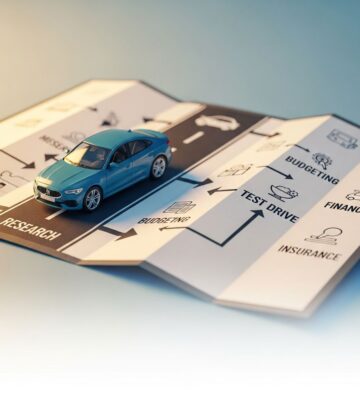
Take your time with every stage: research, test driving, inspection, negotiation, and financing. Don’t let a salesperson’s urgency override your careful deliberation. If a particular vehicle isn’t available, another will be. If a deal seems too good to pass up, it probably is.
Set aside dedicated time for your car search. Compare multiple vehicles. Get second opinions. Sleep on major decisions. The few hours or days you invest in careful deliberation can save thousands of dollars and prevent the regret of owning a vehicle you’re unhappy with.
Frequently Asked Questions
Q: What’s the best time of year to buy a car?
A: End of month, quarter, or year when dealers have sales quotas to meet. Late fall and winter typically offer more negotiating power because fewer buyers are shopping. However, the best time is whenever you’ve done your research and found the right vehicle at the right price.
Q: Should I buy new or used?
A: Used cars offer better value for most buyers. The depreciation hit occurs in the first few years after a new car purchase. A three to five-year-old vehicle with good maintenance records provides the best balance of reliability and affordability.
Q: How much should I spend on a car?
A: Financial experts recommend spending no more than 10-15% of your annual gross income on a vehicle. Consider your entire budget including insurance, fuel, and maintenance, not just the purchase price.
Q: What documents do I need before going to the dealership?
A: Bring proof of insurance, driver’s license, proof of residence, and prequalification letters from lenders. Having these ready streamlines the process and prevents dealers from pressuring you into their financing.
Q: How can I improve my negotiating position?
A: Research fair market value, know the dealer’s cost, get prequalified for financing elsewhere, and be prepared to walk away. Knowledge and the willingness to decline a bad deal give you leverage.
Conclusion
Car shopping doesn’t have to be stressful or costly if you avoid these ten common mistakes. By clearly defining your needs, researching thoroughly, getting proper inspections, negotiating confidently, and securing independent financing, you’ll drive away with a reliable vehicle at a fair price. Remember that a car is an expense, not an investment, and focus on obtaining dependable transportation that meets your actual needs rather than your desires or ego. Take your time, stay disciplined, and you’ll make a purchase decision you’re genuinely happy with.
References
- 7 Money Mistakes Everyone Makes When Buying Their First Car — Wise Bread. 2024. https://www.wisebread.com/7-money-mistakes-everyone-makes-when-buying-their-first-car
- How to Buy a Used Car Without Getting Ripped Off — Wise Bread. 2024. https://www.wisebread.com/how-to-buy-a-used-car-without-getting-ripped-off
- True Cost to Own Feature — Edmunds. 2024. https://www.edmunds.com
- Service History and Trade-In Value — Car Plus Finance Inc. 2024. https://carplusfinance.com/blog
Similar Articles








Read full bio of medha deb